Panorama Showcasing the 34-Meter Antennas of the DSN’s Goldstone Complex
The expansive desert landscape of NASA's Deep Space Network (DSN) Goldstone complex in California is highlighted, featuring several imposing 34-meter (114-foot) satellite dishes. These powerful antennas are crucial for communicating with spacecraft across the vastness of space. Among them is the recently completed Deep Space Station 23 (DSS-23), a beam-waveguide antenna, positioned prominently in the foreground. Alongside it stand three other 34-meter antennas: DSS-26, DSS-25, and DSS-24. The image also includes a smaller, retired 26-meter (85-foot) antenna, famously known as the “Apollo Antenna,” which was originally built in 1967 to support the Apollo Program.
In August 2026, NASA leadership, personnel, and dignitaries gathered at DSS-23 for a ceremonial ribbon-cutting, marking its official completion. This advanced antenna is part of the Deep Space Network’s Aperture Enhancement Project, initiated in 2009. The project aims to expand and modernize the network by adding six new 34-meter multifrequency beam-waveguide antennas. These versatile antennas are designed to operate efficiently across a wide range of radio frequencies, significantly enhancing the capabilities for supporting numerous space missions.
The Deep Space Network plays a vital role in enabling missions to track spacecraft, transmit commands, and receive valuable scientific data from distant probes. This critical network is managed by NASA's Jet Propulsion Laboratory (JPL) in Southern California, which is a division of the California Institute of Technology (Caltech). JPL operates the DSN on behalf of NASA's Space Communications and Navigation (SCaN) Program, headquartered at NASA Headquarters within the Research and Technology Mission Directorate.
English Translation:
The vast desert surroundings of NASA's Deep Space Network (DSN) Goldstone complex in California are showcased, featuring several imposing 34-meter (114-foot) satellite dishes. These powerful antennas are essential for communicating with spacecraft across the expanse of space. Prominently visible in the foreground is the recently completed Deep Space Station 23 (DSS-23), a beam-waveguide antenna. Adjacent to it are three other 34-meter antennas: DSS-26, DSS-25, and DSS-24. The image also includes a smaller, retired 26-meter (85-foot) antenna, famously known as the “Apollo Antenna,” which was originally constructed in 1967 to support the Apollo Program.
In August 2026, NASA leadership, personnel, and distinguished guests convened at DSS-23 for a ceremonial ribbon-cutting, signifying its official completion. This state-of-the-art antenna is part of the Deep Space Network’s Aperture Enhancement Project, which commenced in 2009. The project's objective is to expand and modernize the network by incorporating six new 34-meter multifrequency beam-waveguide antennas. These adaptable antennas are engineered to function effectively across a broad spectrum of radio frequencies, significantly bolstering the capacity to support a multitude of space missions.
The Deep Space Network serves a crucial function by facilitating missions' ability to track spacecraft, dispatch commands, and acquire valuable scientific data from distant probes. This indispensable network is managed by NASA's Jet Propulsion Laboratory (JPL) in Southern California, a division of the California Institute of Technology (Caltech). JPL oversees the DSN on behalf of NASA's Space Communications and Navigation (SCaN) Program, which is headquartered at NASA Headquarters within the Research and Technology Mission Directorate.
Fresh materials — MMA
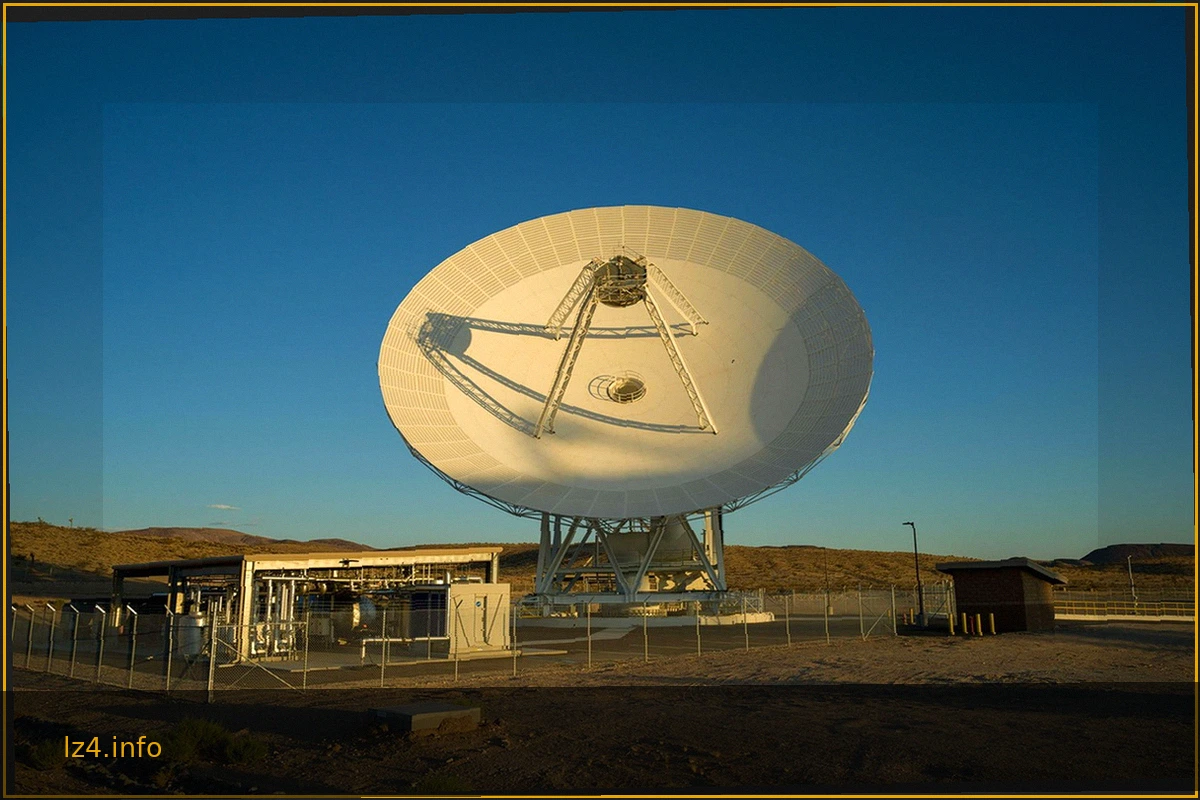
NASA Deep Space Network's New Goldstone Antenna Becomes Operational
The Deep Space Network's (DSN) Goldstone complex, located near Barstow, California, has activated its latest antenna, Deep Space Station 23 (DSS-23). This significant addition is a 34-meter (114-foot) multifrequency beam-waveguide antenna, designed to bolster the DSN's capacity and dramaticall
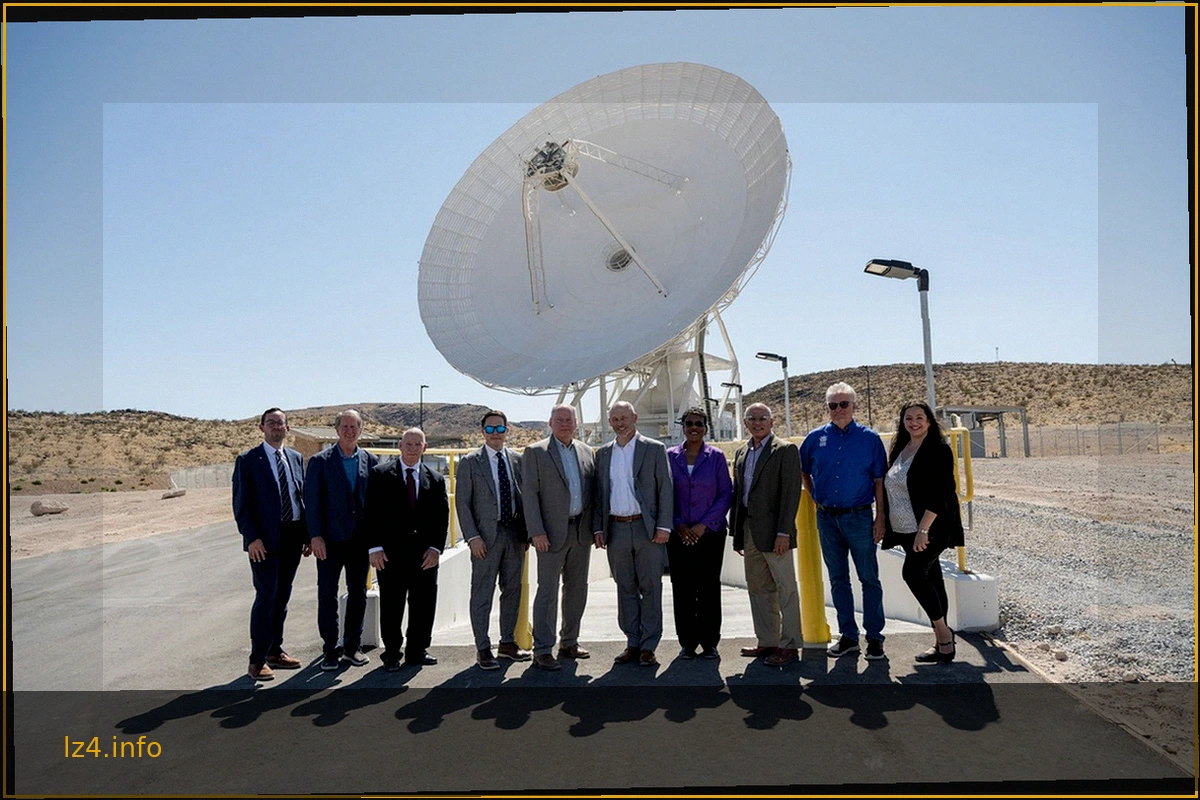
NASA Deep Space Network: Inauguration of Deep Space Station 23
The Jet Propulsion Laboratory (JPL) and the Deep Space Network (DSN) celebrated a significant milestone with the official ribbon-cutting ceremony for Deep Space Station 23 (DSS-23). This event, held on August 25, 2026, at the Goldstone complex near Barstow, California, marked the completion of
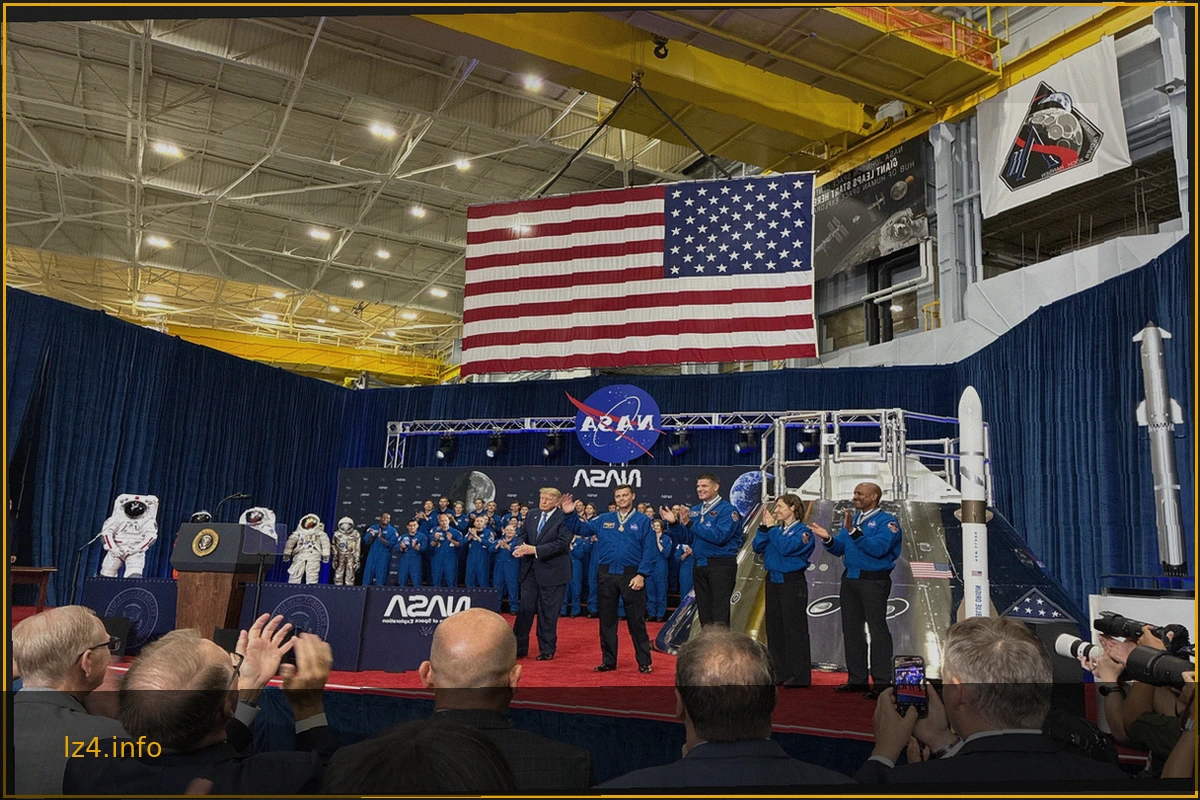
President Honors Artemis II Crew with Congressional Space Medal of Honor
President Donald J. Trump presented the Congressional Space Medal of Honor to NASA astronauts Reid Wiseman, Victor Glover, Christina Koch, and Canadian Space Agency astronaut Jeremy Hansen. This high honor was bestowed upon them for their exceptional service during the Artemis II mission. The

MIT Team Secures Top Honors in NASA's LunaRecycle Challenge for Advanced Space Waste Recycling
NASA has announced the Massachusetts Institute of Technology (MIT) team as the grand prize winner of Phase 2 of its LunaRecycle Challenge. This initiative aims to develop innovative solutions for reducing waste during space missions by recycling common materials such as fabrics, plastics, foam
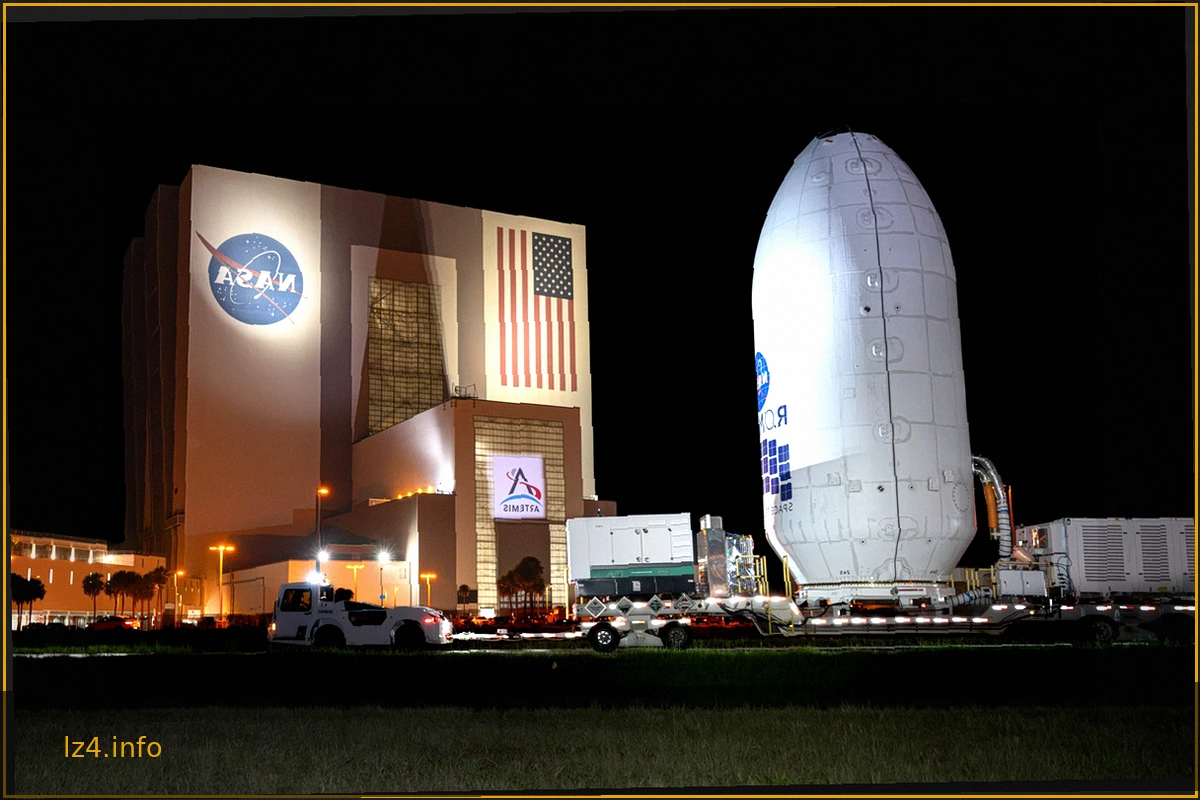
Nancy Grace Roman Space Telescope Moves to SpaceX Hangar for Launch Preparation
The Nancy Grace Roman Space Telescope, a groundbreaking observatory designed to unravel the mysteries of dark energy and dark matter, has reached a significant milestone. Encased within its protective payload fairing, the telescope was transported from NASA's Payload Hazardous Servicing Facili
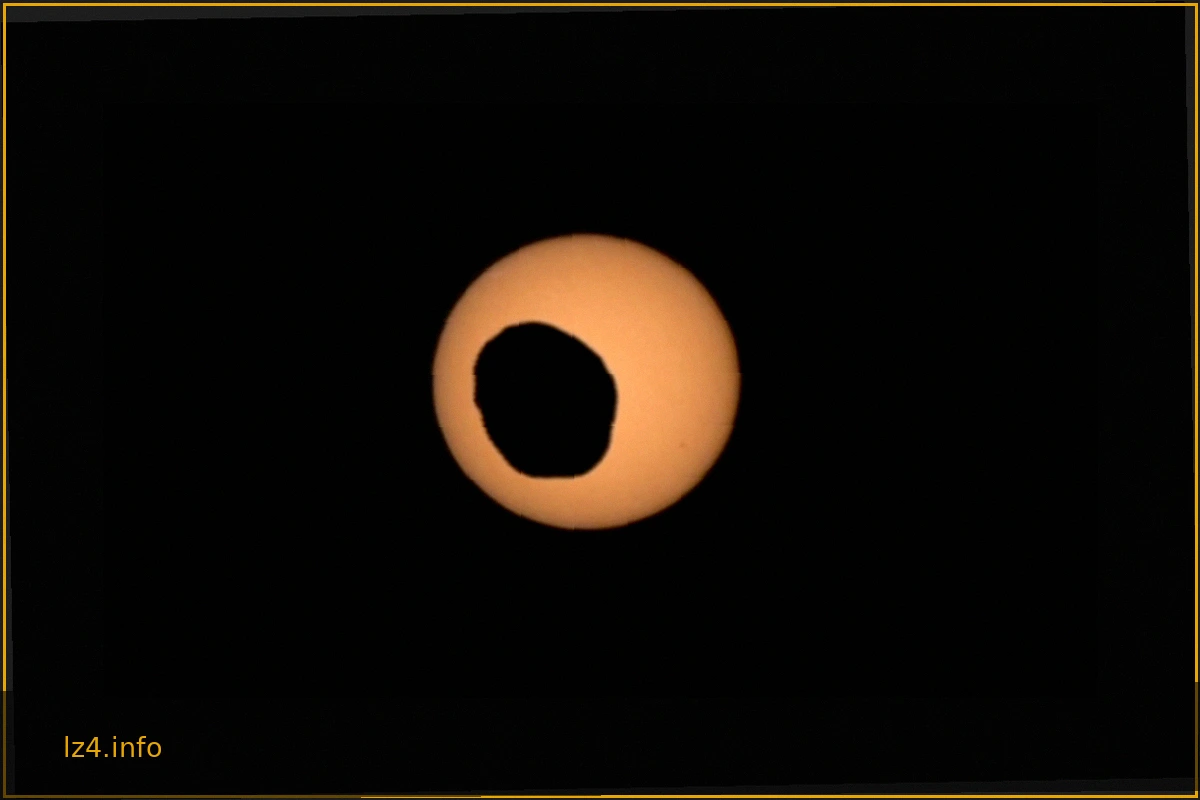
Perseverance Captures Another Phobos Transit
NASA's Perseverance Mars rover, equipped with its Mastcam-Z camera, has once again documented Phobos, one of Mars' two moons, as it passed in front of the Sun. This celestial event occurred on August 12, 2026, marking the 1,948th Martian day, or sol, of the rover's mission. The captured a