NASA Deep Space Network: Inauguration of Deep Space Station 23
The Jet Propulsion Laboratory (JPL) and the Deep Space Network (DSN) celebrated a significant milestone with the official ribbon-cutting ceremony for Deep Space Station 23 (DSS-23). This event, held on August 25, 2026, at the Goldstone complex near Barstow, California, marked the completion of a crucial addition to the DSN's infrastructure.
Key leadership from NASA Headquarters, JPL, and the DSN gathered to commemorate the occasion. Among those present were Germaine Aziz (project manager, DSN Aperture Enhancement Project, JPL), Bradford Arnold (manager, Telecom Programs & Oversight, JPL), Keyur Patel (associate lab director for Flight Projects & Mission Success, JPL), Wanda Peters (deputy associate administrator, Research and Technology Mission Directorate, NASA Headquarters), Jimmy Kenyon (associate administrator, RTMD, NASA Headquarters), John McCullough (acting director, Space Communications and Navigation Program, NASA Headquarters), Gregory Heckler (deputy program manager for capability development, SCaN, NASA Headquarters), William Marinelli (development manager, SCaN, NASA Headquarters), Michael Levesque (project manager, DSN, JPL), and Frank Kaufholod (project manager, NASA Glenn Research Center).
DSS-23 is the latest antenna to be integrated into the DSN as part of the ongoing Aperture Enhancement Project. Launched in 2009, this ambitious project aims to upgrade and expand the network by incorporating six new 34-meter (114-foot) multifrequency beam-waveguide antennas. These advanced and versatile antennas are designed to support a wide range of missions operating across various radio frequencies.
The Deep Space Network plays a vital role in enabling NASA's missions by providing the crucial capability to track spacecraft, send commands, and receive invaluable scientific data from missions operating in deep space. The DSN is managed by JPL, a division of Caltech, under the purview of the Space Communications and Navigation (SCaN) program, which is housed within NASA's Research and Technology Mission Directorate at NASA Headquarters.
For further information on the Deep Space Network, please visit: nasa.gov/communicating-with-missions/dsn/
Credits: NASA/JPL-Caltech
Fresh materials — MMA
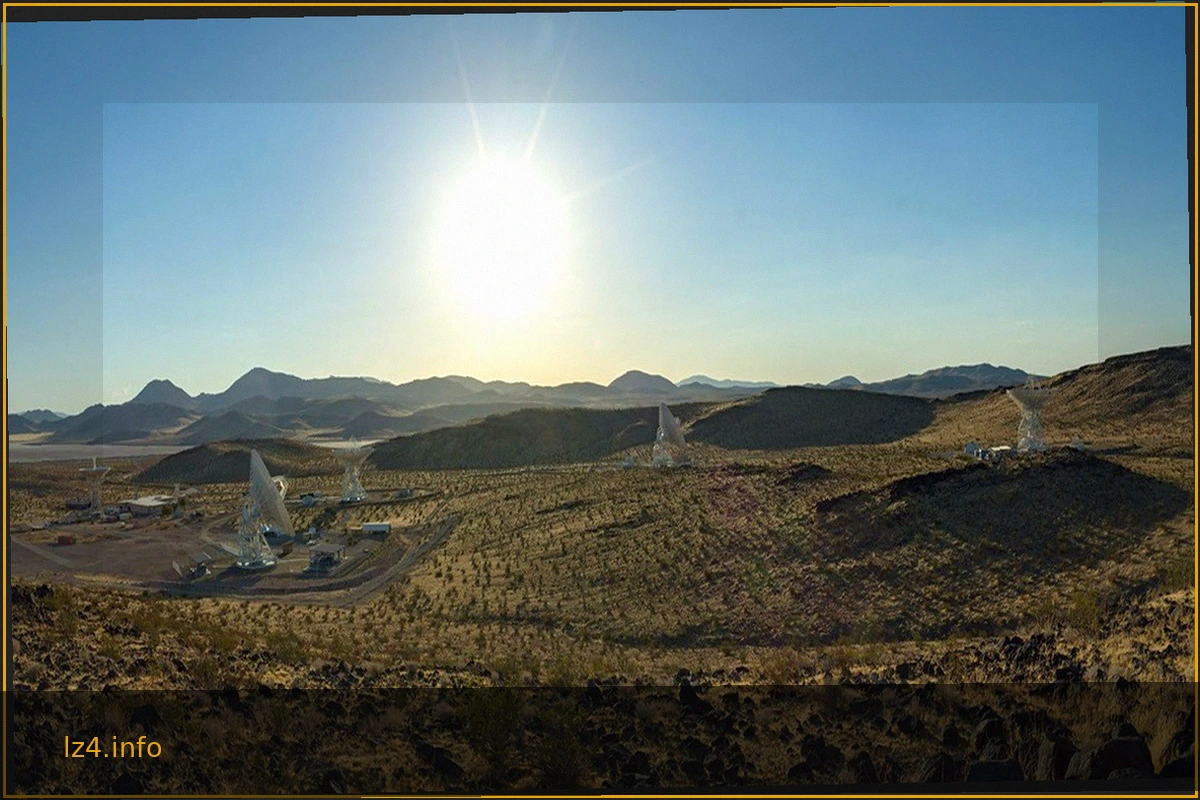
Panorama Showcasing the 34-Meter Antennas of the DSN’s Goldstone Complex
The expansive desert landscape of NASA's Deep Space Network (DSN) Goldstone complex in California is highlighted, featuring several imposing 34-meter (114-foot) satellite dishes. These powerful antennas are crucial for communicating with spacecraft across the vastness of space. Among them is t
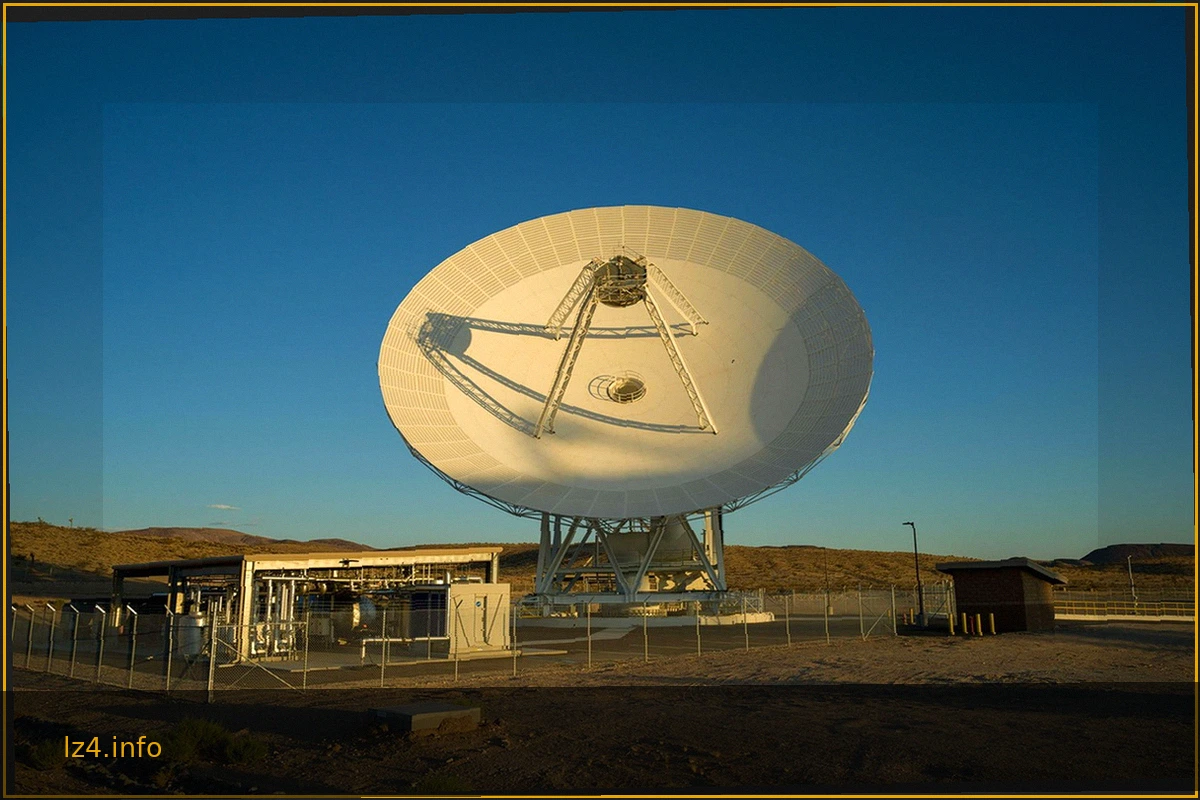
NASA Deep Space Network's New Goldstone Antenna Becomes Operational
The Deep Space Network's (DSN) Goldstone complex, located near Barstow, California, has activated its latest antenna, Deep Space Station 23 (DSS-23). This significant addition is a 34-meter (114-foot) multifrequency beam-waveguide antenna, designed to bolster the DSN's capacity and dramaticall
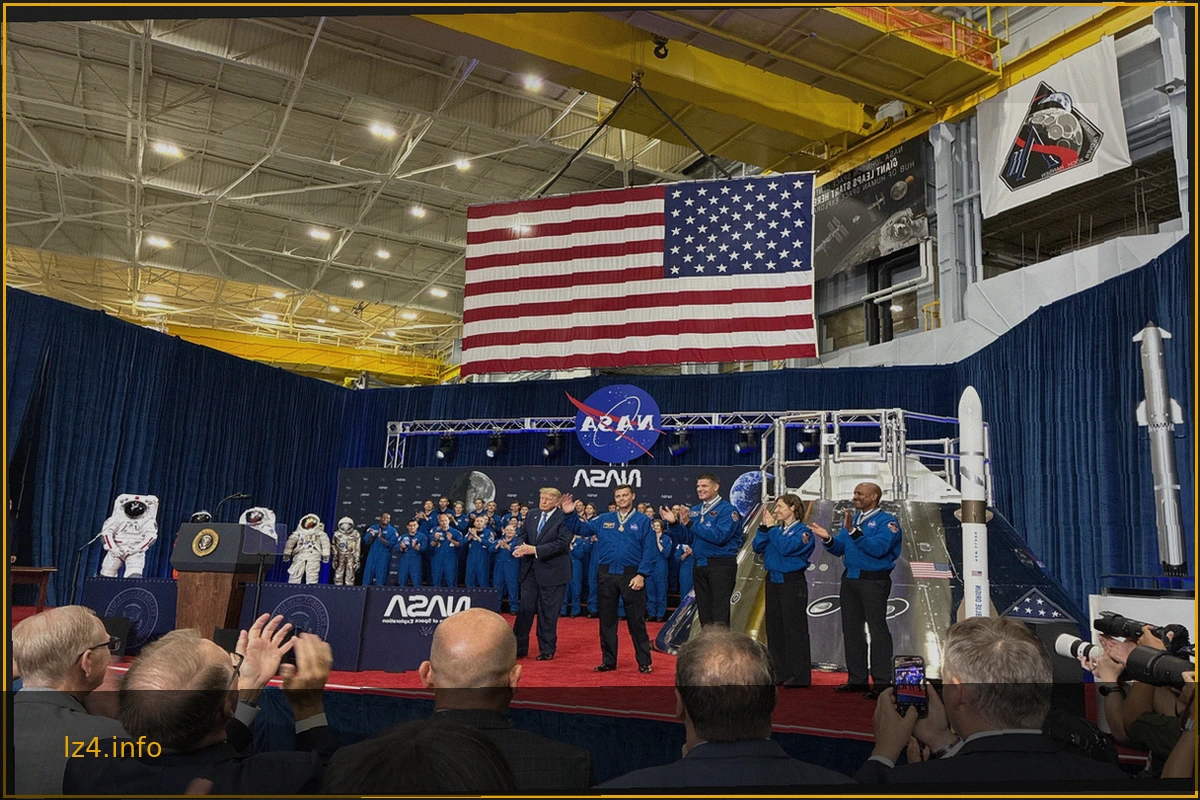
President Honors Artemis II Crew with Congressional Space Medal of Honor
President Donald J. Trump presented the Congressional Space Medal of Honor to NASA astronauts Reid Wiseman, Victor Glover, Christina Koch, and Canadian Space Agency astronaut Jeremy Hansen. This high honor was bestowed upon them for their exceptional service during the Artemis II mission. The
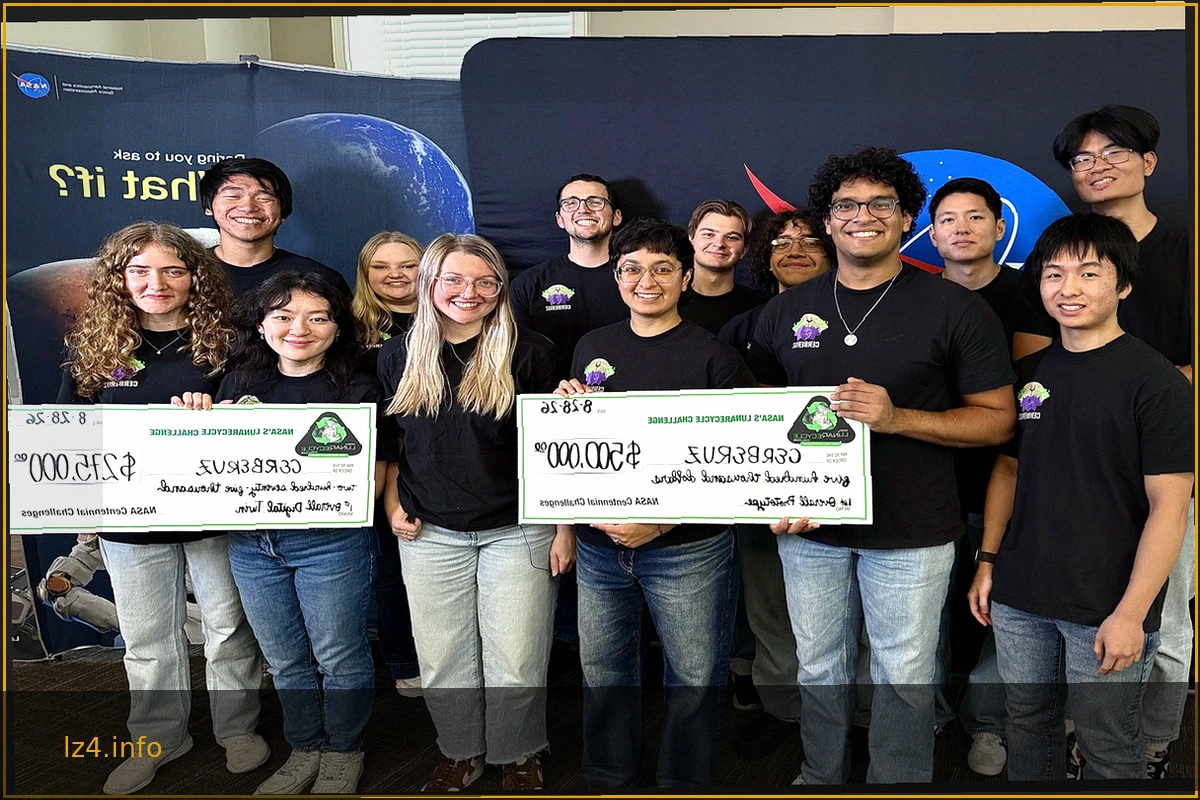
MIT Team Secures Top Honors in NASA's LunaRecycle Challenge for Advanced Space Waste Recycling
NASA has announced the Massachusetts Institute of Technology (MIT) team as the grand prize winner of Phase 2 of its LunaRecycle Challenge. This initiative aims to develop innovative solutions for reducing waste during space missions by recycling common materials such as fabrics, plastics, foam
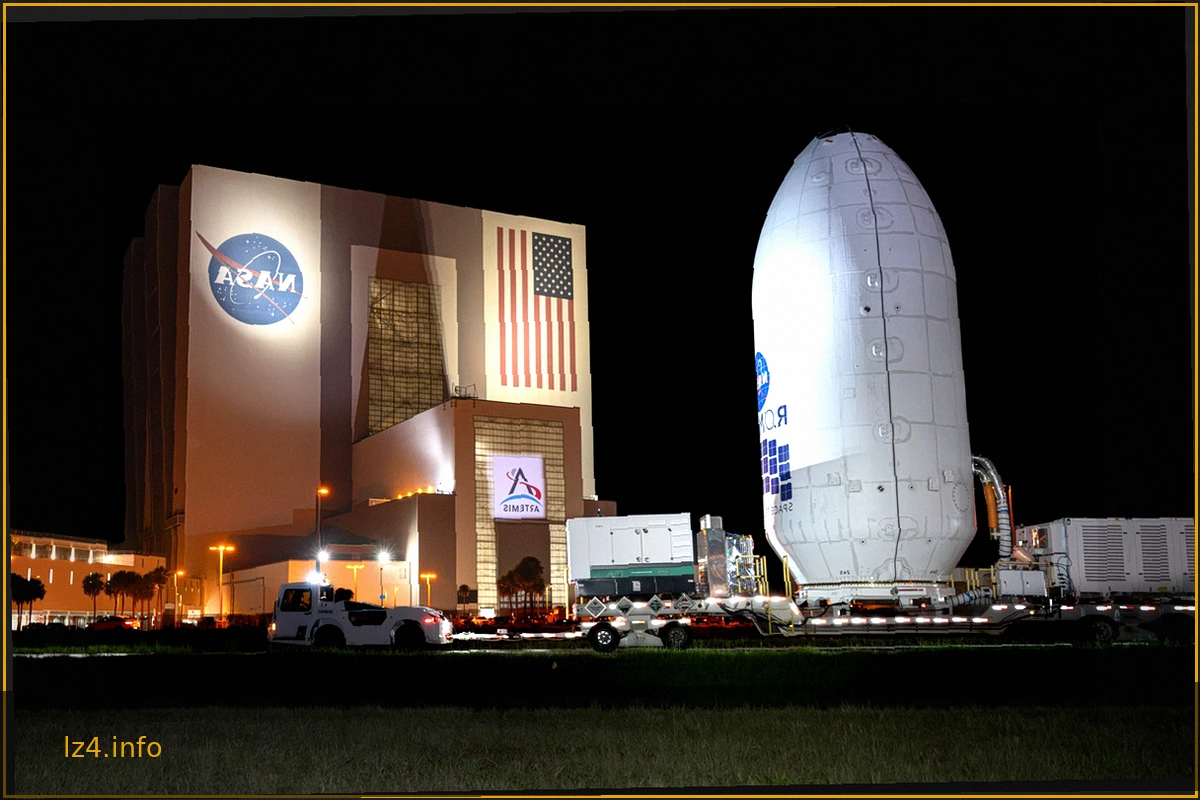
Nancy Grace Roman Space Telescope Moves to SpaceX Hangar for Launch Preparation
The Nancy Grace Roman Space Telescope, a groundbreaking observatory designed to unravel the mysteries of dark energy and dark matter, has reached a significant milestone. Encased within its protective payload fairing, the telescope was transported from NASA's Payload Hazardous Servicing Facili
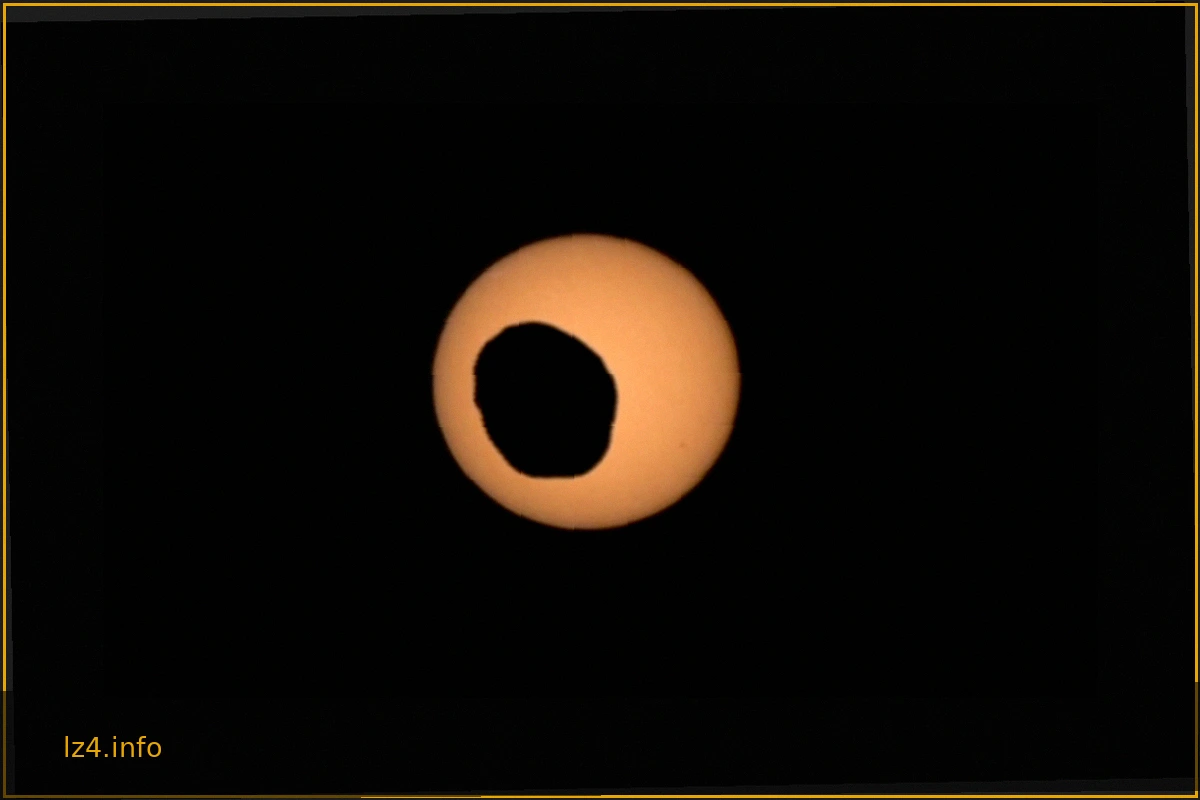
Perseverance Captures Another Phobos Transit
NASA's Perseverance Mars rover, equipped with its Mastcam-Z camera, has once again documented Phobos, one of Mars' two moons, as it passed in front of the Sun. This celestial event occurred on August 12, 2026, marking the 1,948th Martian day, or sol, of the rover's mission. The captured a