MIT Team Secures Top Honors in NASA's LunaRecycle Challenge for Advanced Space Waste Recycling
NASA has announced the Massachusetts Institute of Technology (MIT) team as the grand prize winner of Phase 2 of its LunaRecycle Challenge. This initiative aims to develop innovative solutions for reducing waste during space missions by recycling common materials such as fabrics, plastics, foam, and metals.
The winning team, known as CERBERUZ (Composites for Extraterrestrial Recycling By Engineering the Reuse and Upcycling of Zotek), is composed of undergraduate, graduate, and doctoral students from MIT. They were awarded a total of $775,000 for their revolutionary technology.
The CERBERUZ system processes mixed waste by grinding it into a fine powder. This process repurposes materials like Zotek foam as reinforcement, rather than treating them as contaminants requiring sorting. The resulting powder can then be used as feedstock for injection-molded parts or 3D-printing filament. The MIT team triumphed in both the prototype development track and the virtual model ("digital twin") track of the competition.
"The LunaRecycle Challenge finale marks the culmination of two years of innovation spurred by this competition," stated Jennifer Edmunson, program manager for Centennial Challenges at NASA’s Marshall Space Flight Center. "It's incredible to witness these technologies evolve from concepts to functional prototypes and digital twin demonstrations within this timeframe. Fostering rapid and creative innovation is the core purpose of NASA challenges."
The LunaRecycle Challenge, a $3 million, two-phase competition, was conducted in partnership with The University of Alabama's Lee J. Styslinger Jr. College of Engineering. Phase 2 required U.S. teams to present a working prototype, optionally accompanied by a digital twin for virtual representation.
During Phase 2, 14 finalist teams from across the United States convened at The University of Alabama in Tuscaloosa from August 24th to 28th to showcase their technology prototypes. Teams that developed digital twin models also presented them alongside their physical prototypes.
The participants represented a diverse range of backgrounds, including university students, faculty, entrepreneurs, and space technology enthusiasts. The challenge encouraged the development of solutions with potential applications both in deep space and on Earth.
In addition to the first prize winner, nine other teams received awards:
Prototype Track Winners:
- Second Place Overall ($225,000): Terasynth (Orlando, Fla.) for their Lunar Re-Forge System.
- Most Innovative ($50,000): RECLAIM (Penn State University) for their Resource Extraction and Conversion from Lunar Anthropogenic Inputs with Microwaves (RECLAIM) system.
- Highest Mass Efficiency ($50,000): Cislune (Rosemead, Calif.) for their Carbon Recovery and Feedstock Transformation for Extraterrestrial Reuse (CRAFTER) system.
- Most Trash Types Recycled ($50,000): Team Lovegrove (Bob Jones University, Greenville, S.C.) for their LunaBrix system.
Digital Twin Track Winners:
- Second Place Overall ($125,000): Moon Made (Boulder, Colo.) for their Fiber Forge.
- Most Innovative ($25,000): RECLAIM (Penn State University) for their RECLAIM system.
- Best Visualization ($25,000): Waste Parrot Technologies (New York, N.Y.).
People's Choice Winner ($25,000):
- Terasynth (Orlando, Fla.) for their Lunar Re-Forge System.
"This competition powerfully demonstrates how collaborations can yield remarkable solutions," commented Chris Frangione, manager of the LunaRecycle Challenge, supported by Amentum Space Exploration Division for NASA Centennial Challenges. "The synergy between the solver teams, The University of Alabama, and NASA at this finale underscores what can be achieved when resources and brilliant ideas are united for a common objective."
The successful conclusion of Phase 2 follows the significant achievement of Phase 1, which saw unprecedented global interest with over 1,200 registrations, setting a record for any competition in the 20-year history of NASA's Centennial Challenges. In Phase 1, which concluded in 2025, participants worldwide submitted designs for either or both prototype and digital twin tracks. A panel of 50 judges reviewed nearly 200 submissions, selecting 17 winning teams from five countries and nine U.S. states. Phase 2 entries were required to be distinct from Phase 1 submissions.
The LunaRecycle Challenge is administered by Centennial Challenges at NASA's Marshall Space Flight Center, part of the Prizes, Challenges, and Crowdsourcing program within NASA’s Research and Technology Mission Directorate. NASA's Centennial Challenges program has a two-decade history of engaging the public to tackle complex problems that advance NASA's broader objectives. Past challenges have driven progress in areas such as robotics, additive manufacturing, power and energy, textiles, chemistry, and biology.
Subject matter experts from NASA's Kennedy Space Center (Florida), Ames Research Center (California), and Langley Research Center (Virginia) also provided support for LunaRecycle.
For more information on LunaRecycle, please visit: www.nasa.gov/lunarecycle
Fresh materials — MMA
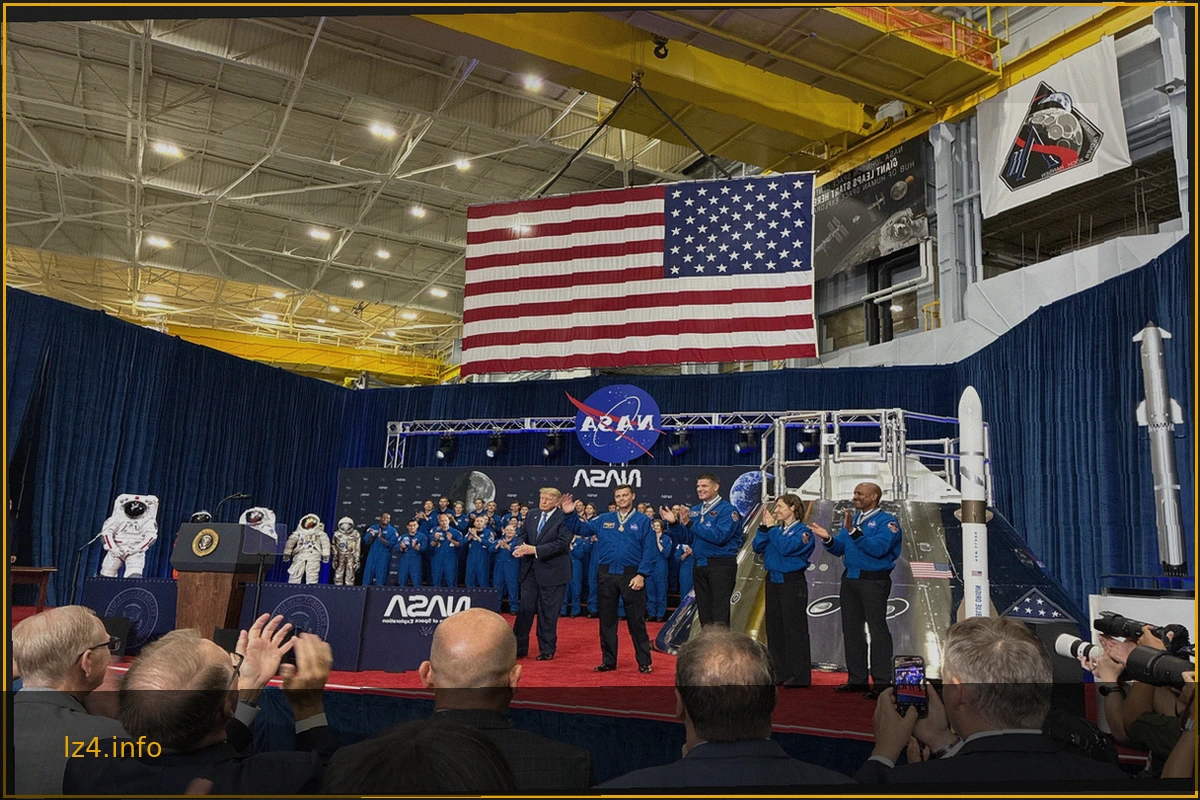
President Honors Artemis II Crew with Congressional Space Medal of Honor
President Donald J. Trump presented the Congressional Space Medal of Honor to NASA astronauts Reid Wiseman, Victor Glover, Christina Koch, and Canadian Space Agency astronaut Jeremy Hansen. This high honor was bestowed upon them for their exceptional service during the Artemis II mission. The
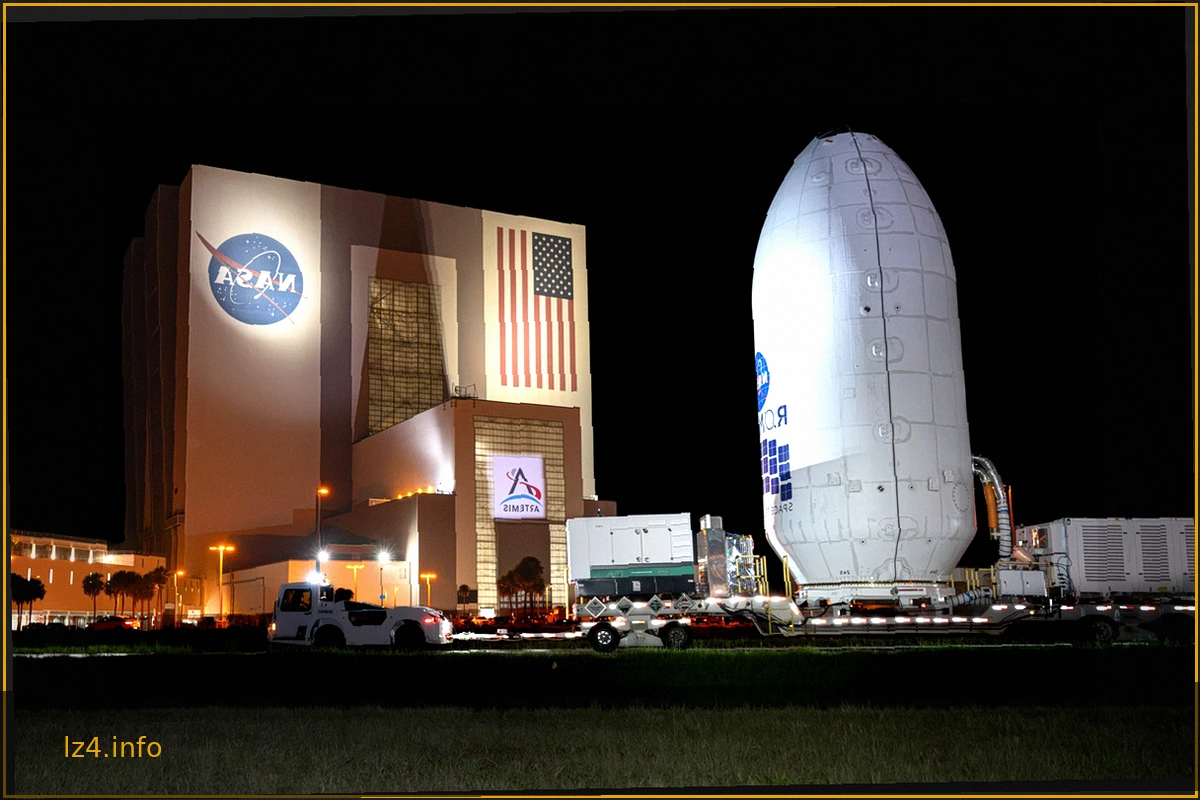
Nancy Grace Roman Space Telescope Moves to SpaceX Hangar for Launch Preparation
The Nancy Grace Roman Space Telescope, a groundbreaking observatory designed to unravel the mysteries of dark energy and dark matter, has reached a significant milestone. Encased within its protective payload fairing, the telescope was transported from NASA's Payload Hazardous Servicing Facili
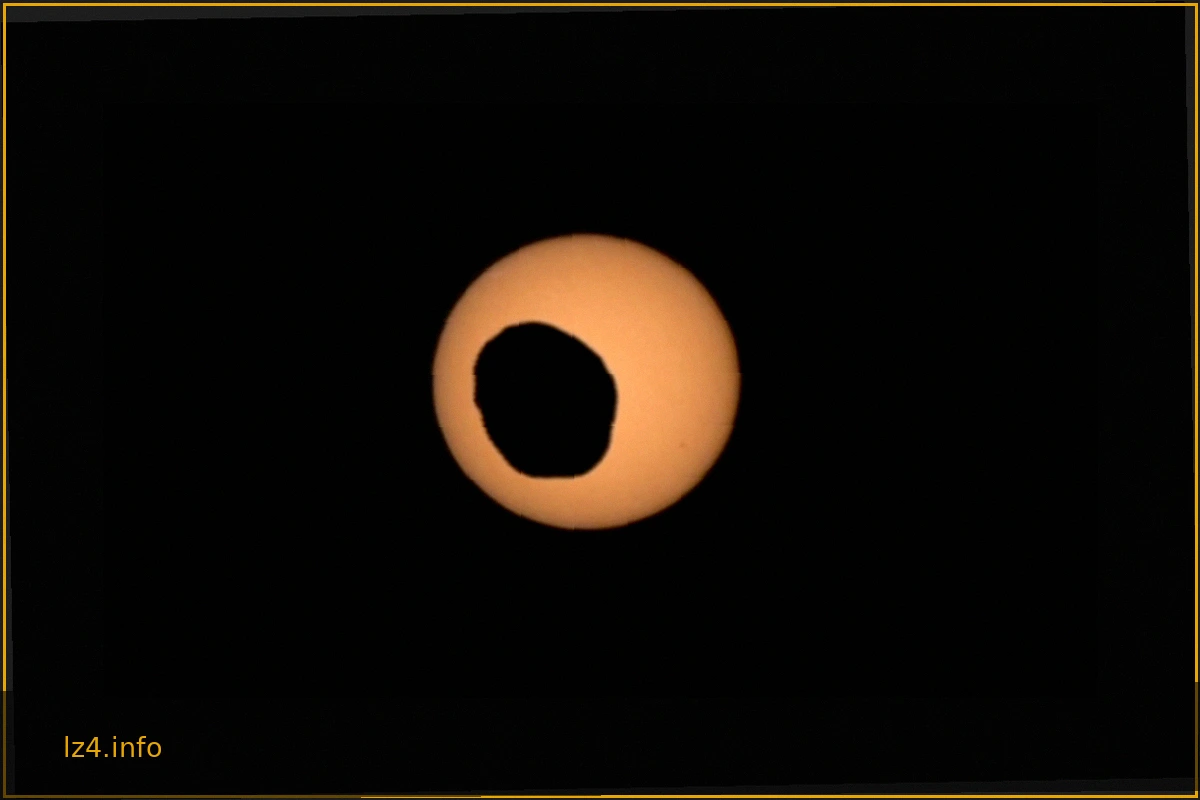
Perseverance Captures Another Phobos Transit
NASA's Perseverance Mars rover, equipped with its Mastcam-Z camera, has once again documented Phobos, one of Mars' two moons, as it passed in front of the Sun. This celestial event occurred on August 12, 2026, marking the 1,948th Martian day, or sol, of the rover's mission. The captured a
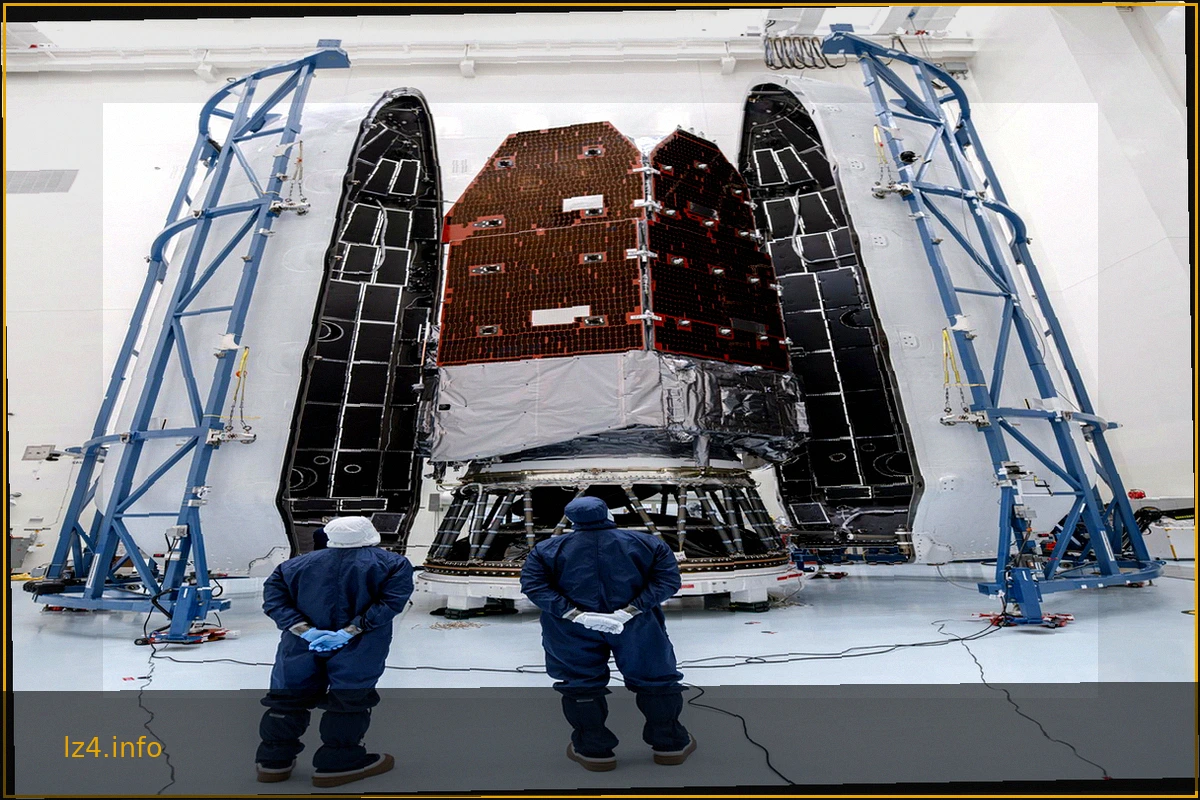
NASA Details Roman Space Telescope Launch Coverage
NASA is all set to broadcast the pre-launch and launch activities for its groundbreaking Nancy Grace Roman Space Telescope. This next-generation observatory is poised to unlock some of the universe's most profound mysteries, including the enigmatic nature of dark energy. The planned lifto
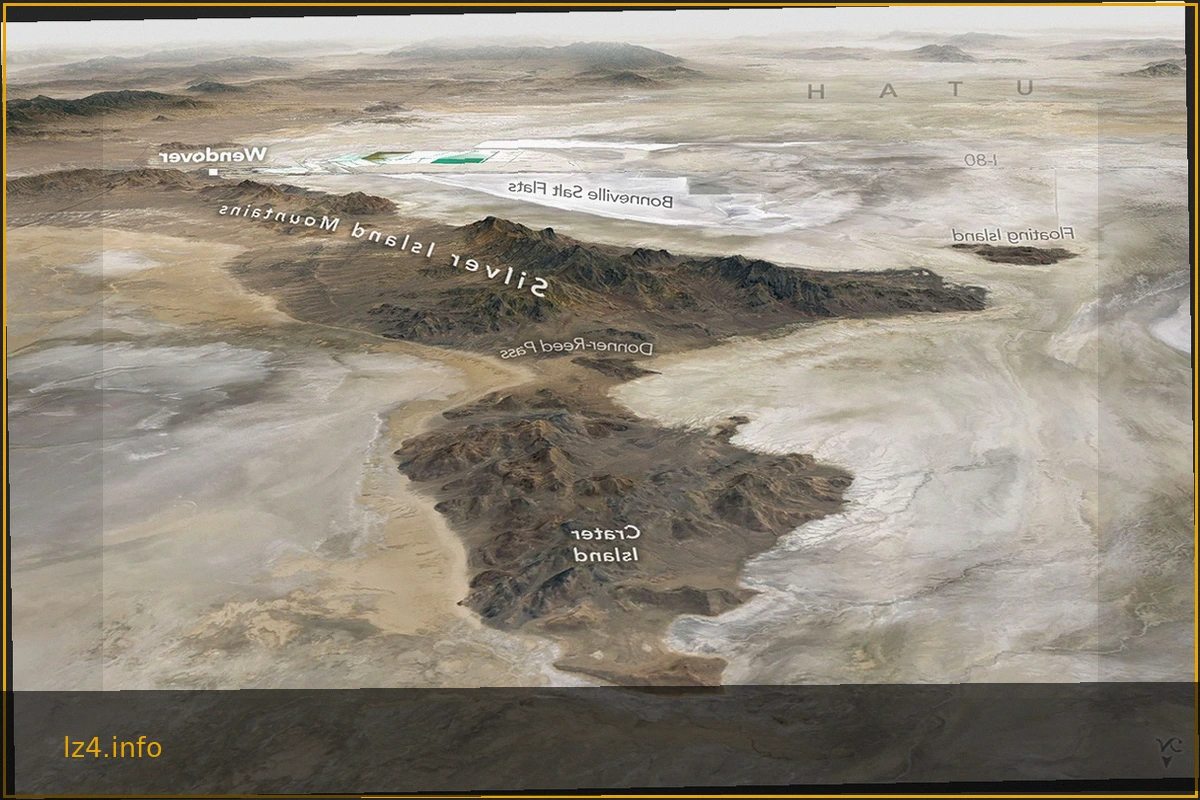
What Lake Bonneville Left Behind
Ancient Lake Bonneville, a vast body of water nearly as large as Lake Michigan during the Ice Age, once covered a significant portion of western Utah, extending into Nevada and Idaho. When this immense lake eventually receded, it left behind a unique landscape characterized by fla
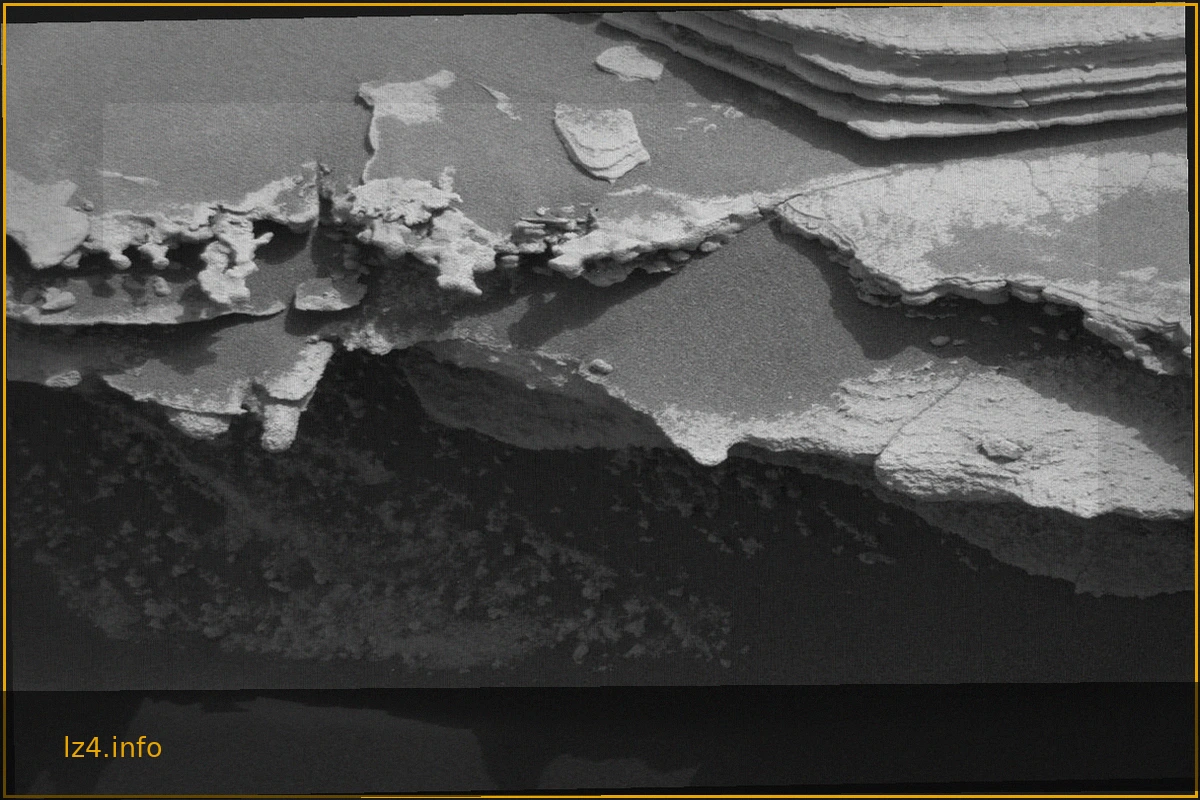
Curiosity Blog, Sols 4982–4987: Back to Our Regularly Scheduled Programming
After a brief exploration of an erosional surface, NASA's Curiosity rover has resumed its planned journey up Mount Sharp on Mars. As autumn approaches in Gale Crater, conditions become more favorable for rover operations due to decreasing temperatures and a reduced likelihood of dust storms, t