Perseverance Captures Another Phobos Transit
NASA's Perseverance Mars rover, equipped with its Mastcam-Z camera, has once again documented Phobos, one of Mars' two moons, as it passed in front of the Sun. This celestial event occurred on August 12, 2026, marking the 1,948th Martian day, or sol, of the rover's mission.
The captured animation has been color-enhanced to provide a visual representation of what an observer on the Martian surface would experience if viewing the transit through protective solar eclipse glasses.
Since its arrival in Jezero Crater in February 2021, Perseverance has recorded numerous Phobos transits. By analyzing these diverse observations, scientists aim to refine their understanding of the irregularly shaped moon's orbit and how it is evolving. It is projected that Phobos' orbit will eventually lead it to impact the surface of the Red Planet over vast timescales.
The Mastcam-Z instrument's operations are managed by Arizona State University, in partnership with Malin Space Science Systems of San Diego, which is responsible for the instrument's design, fabrication, testing, and operation. The calibration targets were designed, fabricated, and tested in collaboration with the Niels Bohr Institute at the University of Copenhagen.
The Perseverance rover was built and is managed by NASA's Jet Propulsion Laboratory, a division of Caltech in Pasadena, California.
For further details on the Perseverance mission, please visit: science.nasa.gov/mission/mars-2020-perseverance/
Image and Animation Downloads
-
Perseverance Captures Another Phobos Transit (PNG)
File size: 296.77 KB
Download PNG -
PIA26811 Animation (.mp4)
File size: 160.24 KB
Download MP4
Fresh materials — MMA
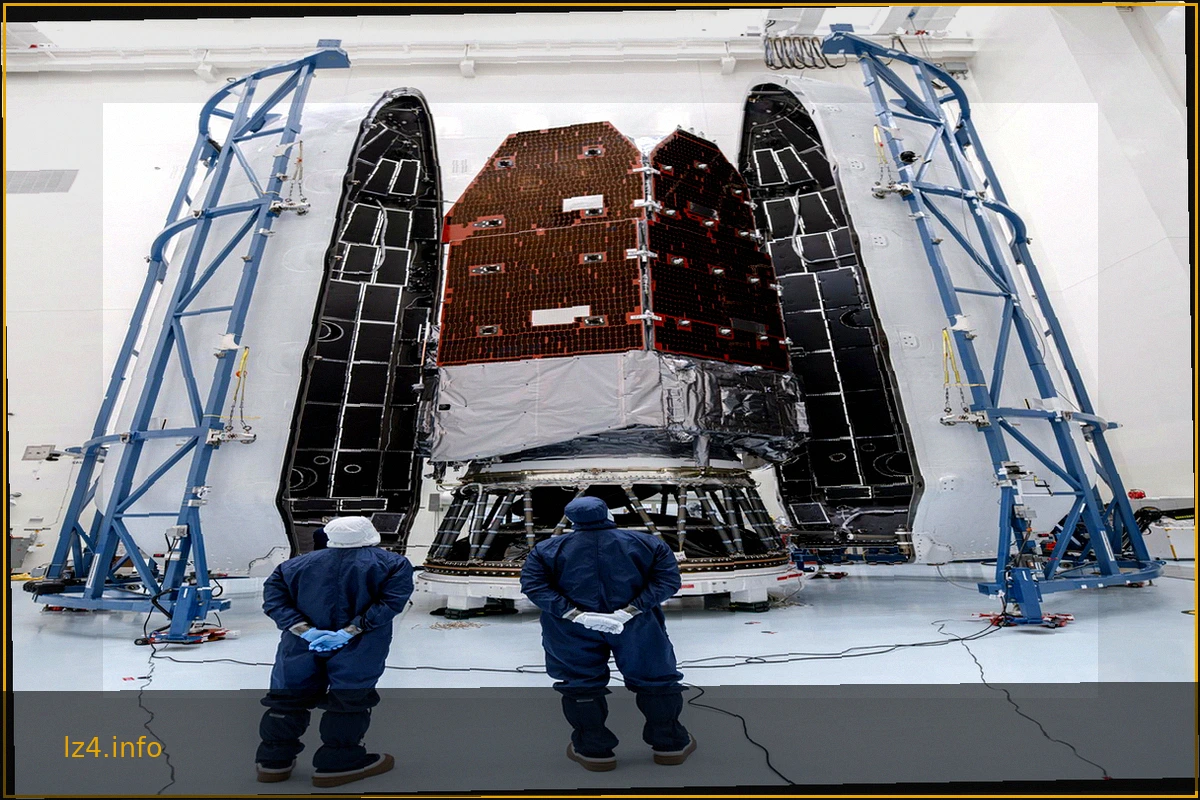
NASA Details Roman Space Telescope Launch Coverage
NASA is all set to broadcast the pre-launch and launch activities for its groundbreaking Nancy Grace Roman Space Telescope. This next-generation observatory is poised to unlock some of the universe's most profound mysteries, including the enigmatic nature of dark energy. The planned lifto
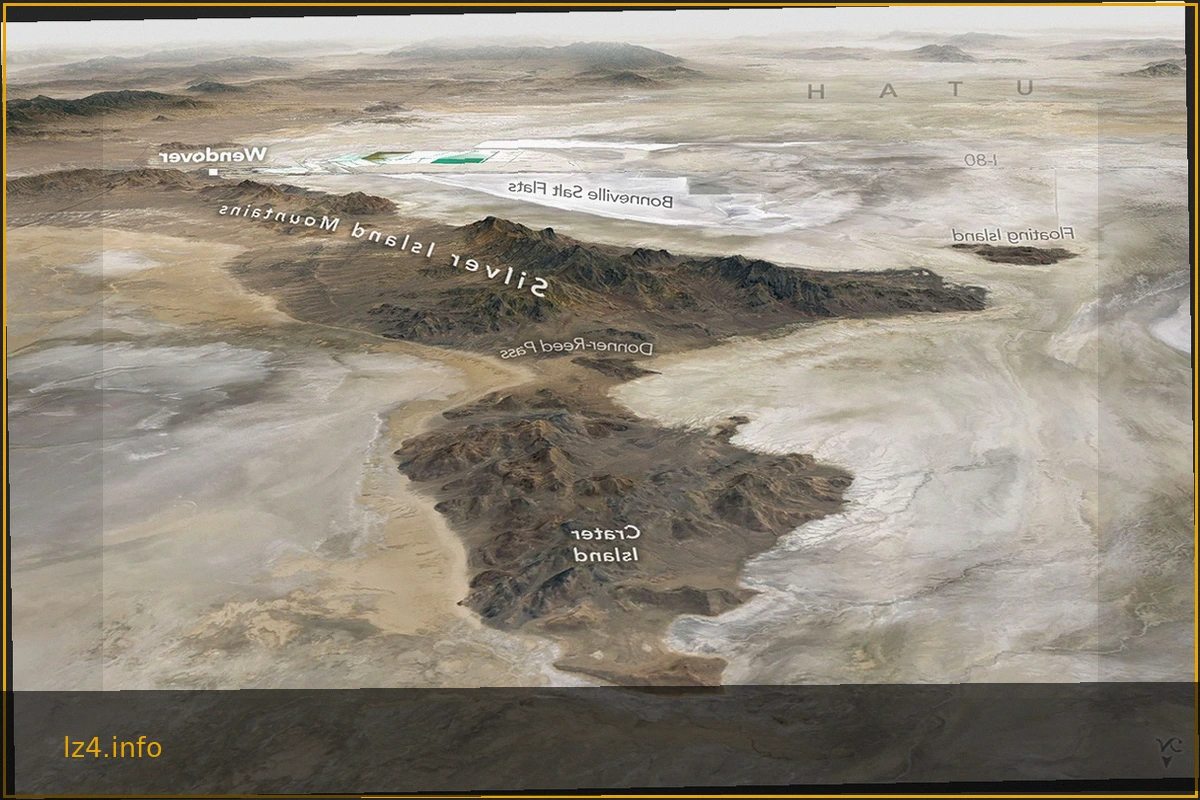
What Lake Bonneville Left Behind
Ancient Lake Bonneville, a vast body of water nearly as large as Lake Michigan during the Ice Age, once covered a significant portion of western Utah, extending into Nevada and Idaho. When this immense lake eventually receded, it left behind a unique landscape characterized by fla

Curiosity Blog, Sols 4982–4987: Back to Our Regularly Scheduled Programming
After a brief exploration of an erosional surface, NASA's Curiosity rover has resumed its planned journey up Mount Sharp on Mars. As autumn approaches in Gale Crater, conditions become more favorable for rover operations due to decreasing temperatures and a reduced likelihood of dust storms, t
NASA Shares Views of August Solar Eclipse from Ground, Air, Space
On August 12, a total solar eclipse cast a shadow across Greenland, Iceland, and Spain. During this event, the Moon momentarily obscured the Sun, revealing its ethereal outer atmosphere, the corona, to observers fortunate enough to have clear skies within the path of totality. NASA scientists
An Uncommon Drifter in the Denmark Strait
In the summer of 2026, an unusually large iceberg was spotted drifting in the Denmark Strait, significantly farther south than its presumed origin. Greenland's coastline is characterized by fjords, many containing glaciers that calve icebergs into the sea during the summer months after the sea
NASA at SmallSat 2026: Featured Presentations and Agenda
NASA will be present at SmallSat 2026, inviting attendees to engage with NASA experts in the Exhibit Hall. Visit booths #635, #835, #641, and #940 for insightful discussions and presentations. A comprehensive agenda is provided below, outlining the schedule of events from August 24th to August