NASA Shares Views of August Solar Eclipse from Ground, Air, Space
On August 12, a total solar eclipse cast a shadow across Greenland, Iceland, and Spain. During this event, the Moon momentarily obscured the Sun, revealing its ethereal outer atmosphere, the corona, to observers fortunate enough to have clear skies within the path of totality. NASA scientists and photographers were strategically positioned along the eclipse's trajectory to study the corona, document the phenomenon, and assess its impact on our planet.
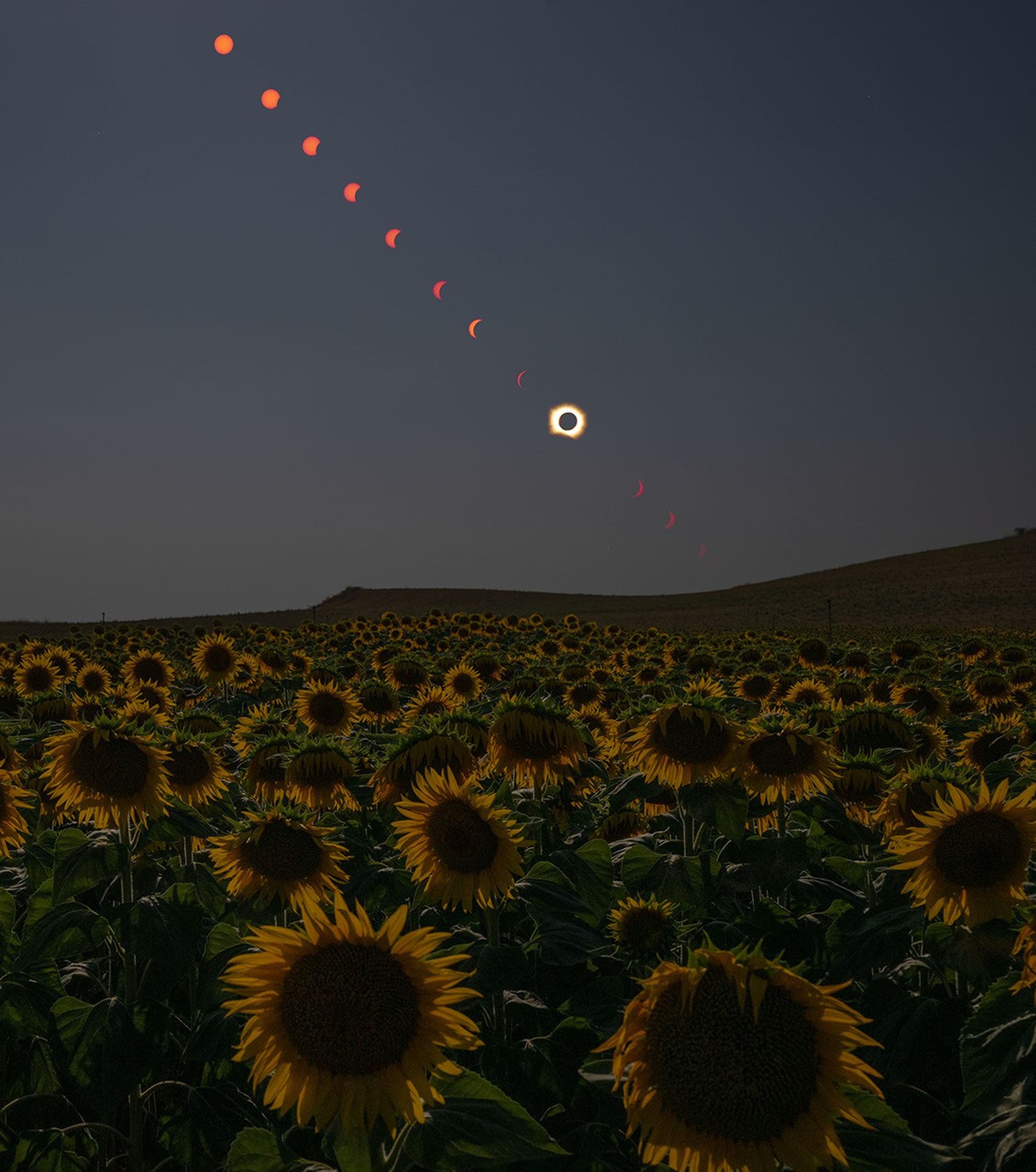
One NASA photographer in Spain skillfully captured a sequence of images, documenting the total solar eclipse along with the partial phases before and after, concluding as the Sun dipped below the horizon.
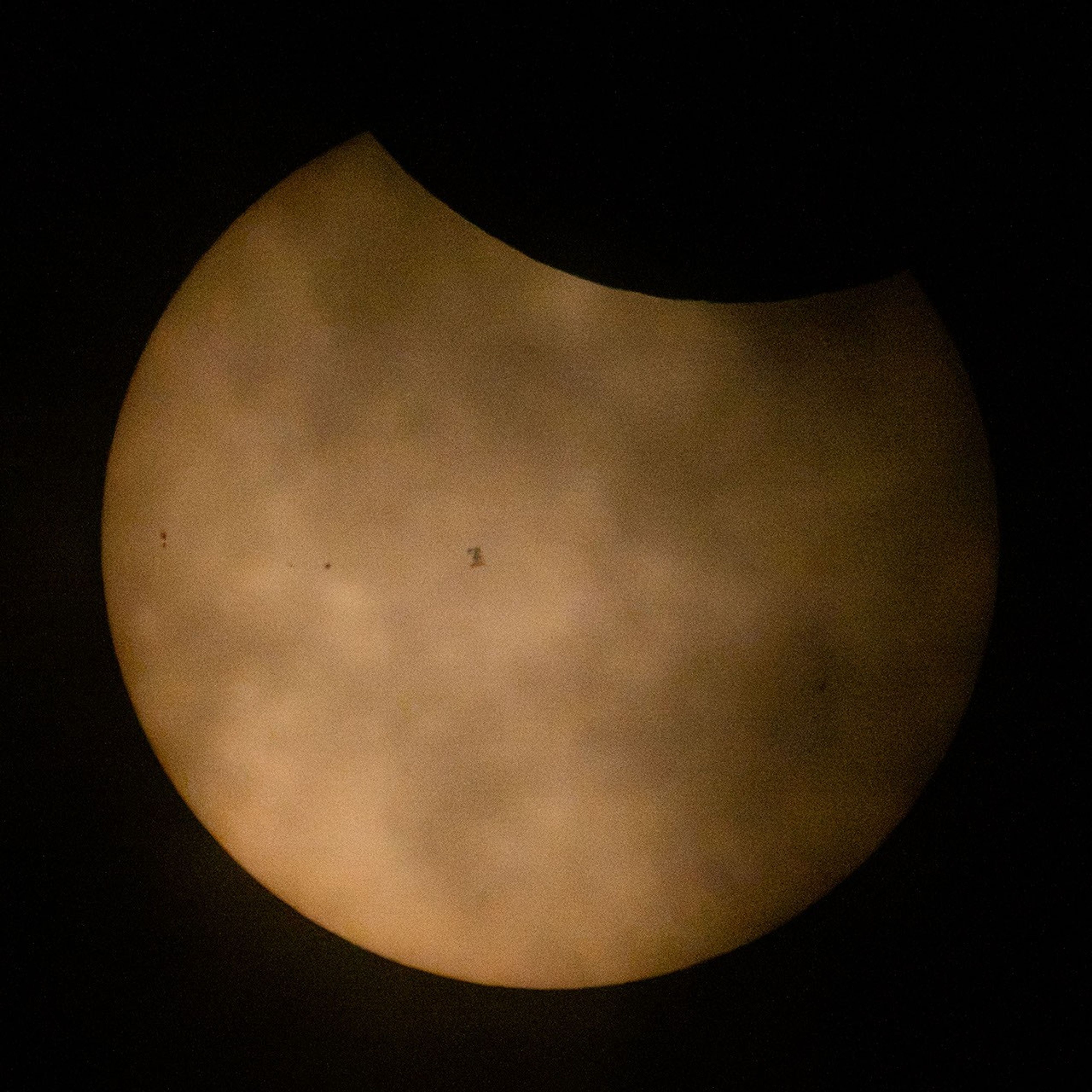
In northern Maine, where a partial eclipse was visible, another NASA photographer managed to capture the International Space Station, with its seven-person crew, silhouetted against the partially eclipsed Sun.
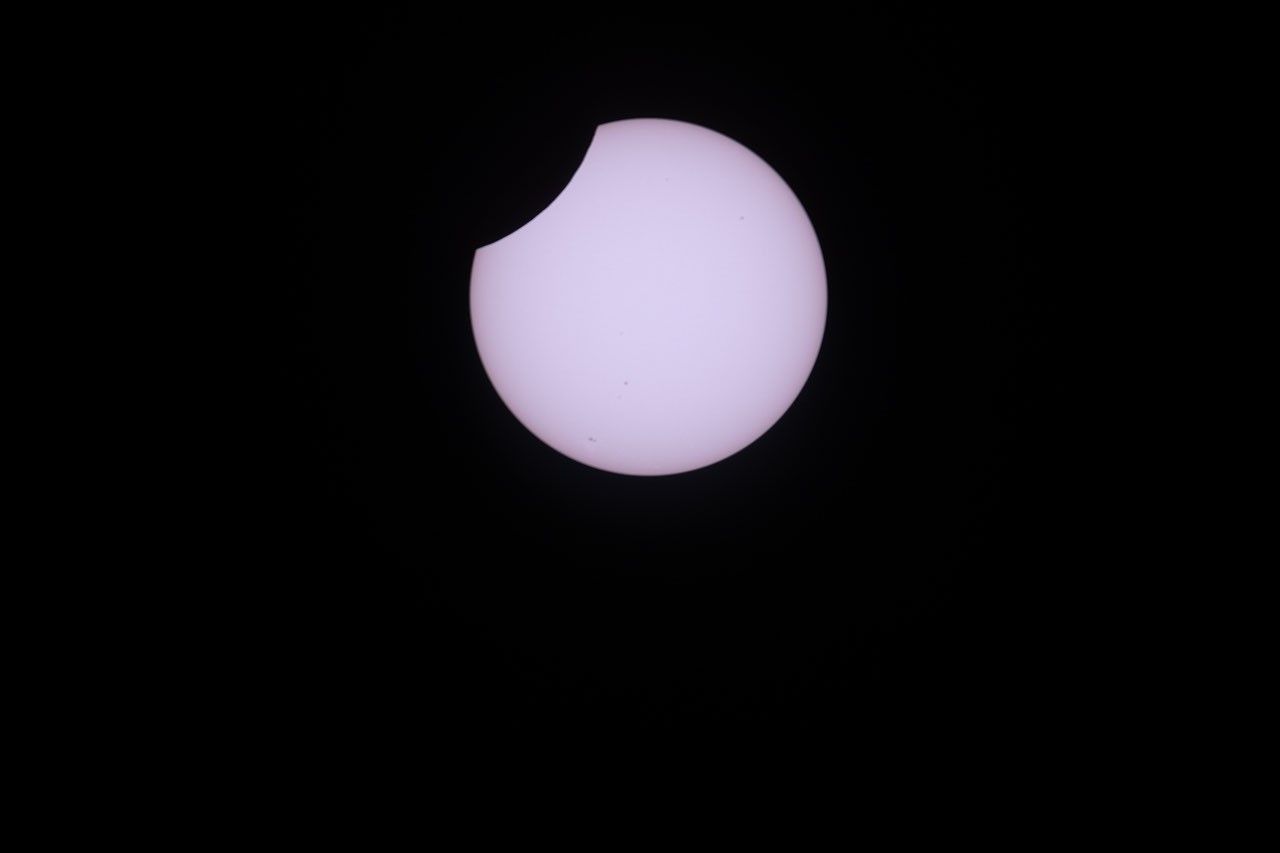
Meanwhile, from an altitude of approximately 250 miles, a NASA astronaut aboard the International Space Station also captured several photographs of the partial eclipse from their unique orbital perspective.
Furthermore, NASA pilots flew the agency's WB-57F research jet at an altitude of 50,000 feet, traversing the eclipse's shadow to extend the duration of their observation. This jet was equipped with a sophisticated suite of cameras that recorded high-resolution images of the corona and prominences—plumes of electrically charged gas emanating from the Sun—across several different wavelengths of light.
In both Iceland and Spain, student teams participating in the NASA-funded Nationwide Eclipse Ballooning Project deployed scientific balloons carrying instruments designed to capture images of the eclipse's shadow and investigate its effects on our atmosphere. Despite cloud cover obscuring ground-level views in Iceland, the balloon-borne instruments successfully gathered data on how the temporary reduction in light and heat impacted the lower atmosphere.
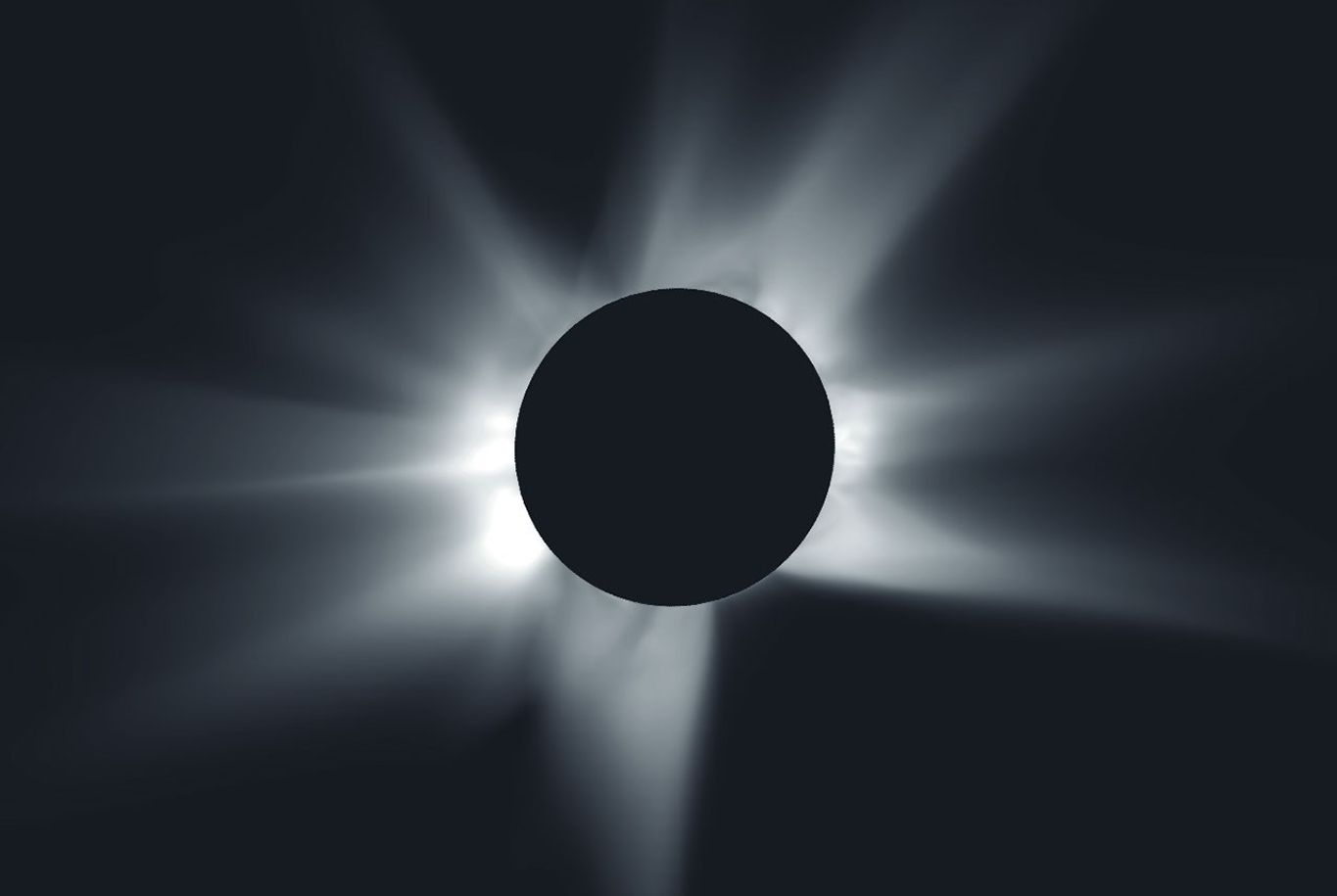
Prior to the eclipse, scientists at Predictive Science Inc., supported by NASA grants and supercomputing resources, utilized observations of the Sun from NASA spacecraft and ground-based telescopes to forecast the appearance of the corona during the eclipse. Their prediction is compared below with a composite image of the corona, which integrates multiple images captured by the NASA-supported DEB Initiative project near León, Spain.
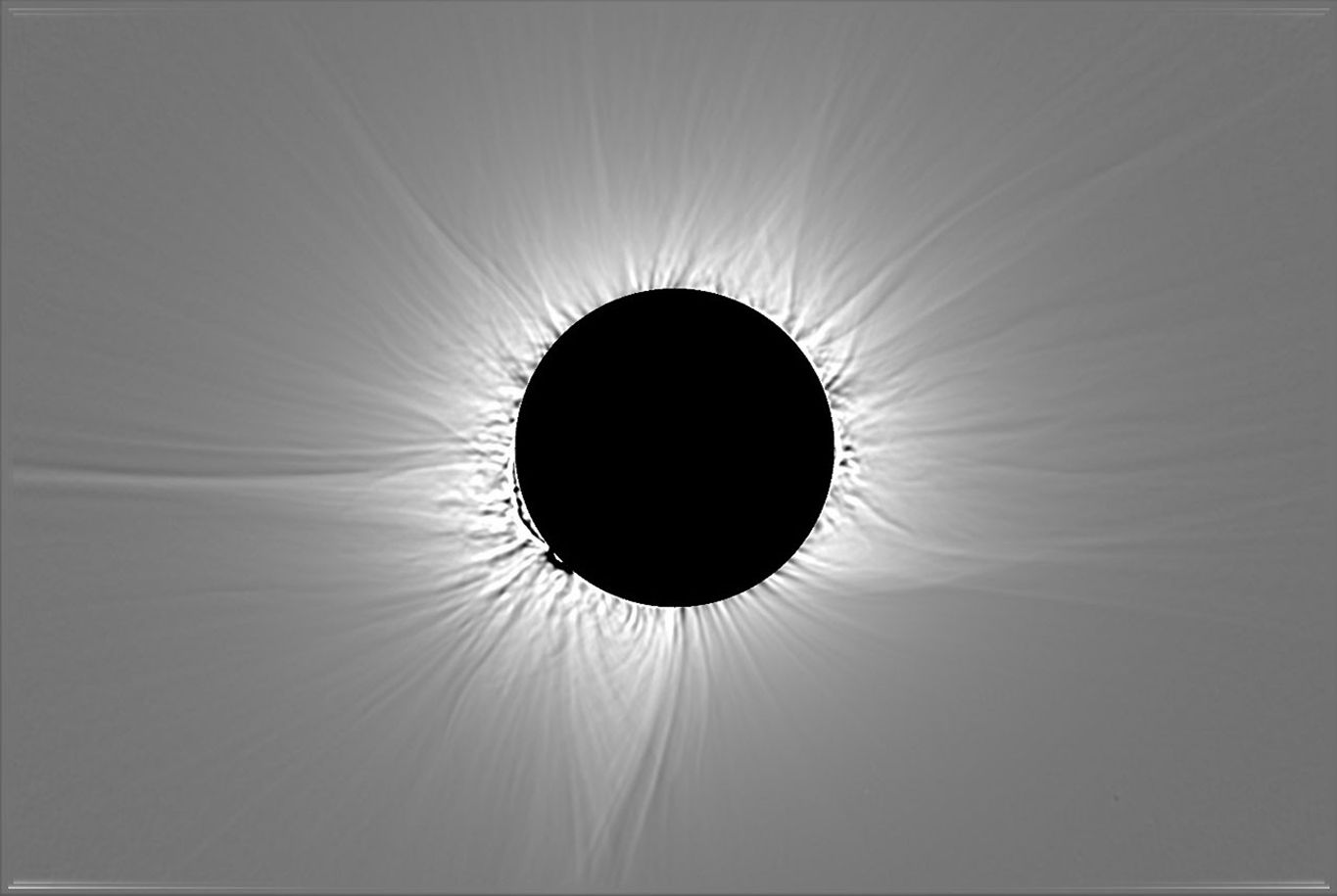
In the coming months, scientists will meticulously analyze the observations and images acquired during the August 12 solar eclipse. Their findings regarding the Sun and its influence on Earth will be presented, contributing to the preparedness of science teams for future solar eclipses, such as the significantly longer total solar eclipse anticipated over southern Spain and northern Africa on August 2, 2027.
Fresh materials — MMA
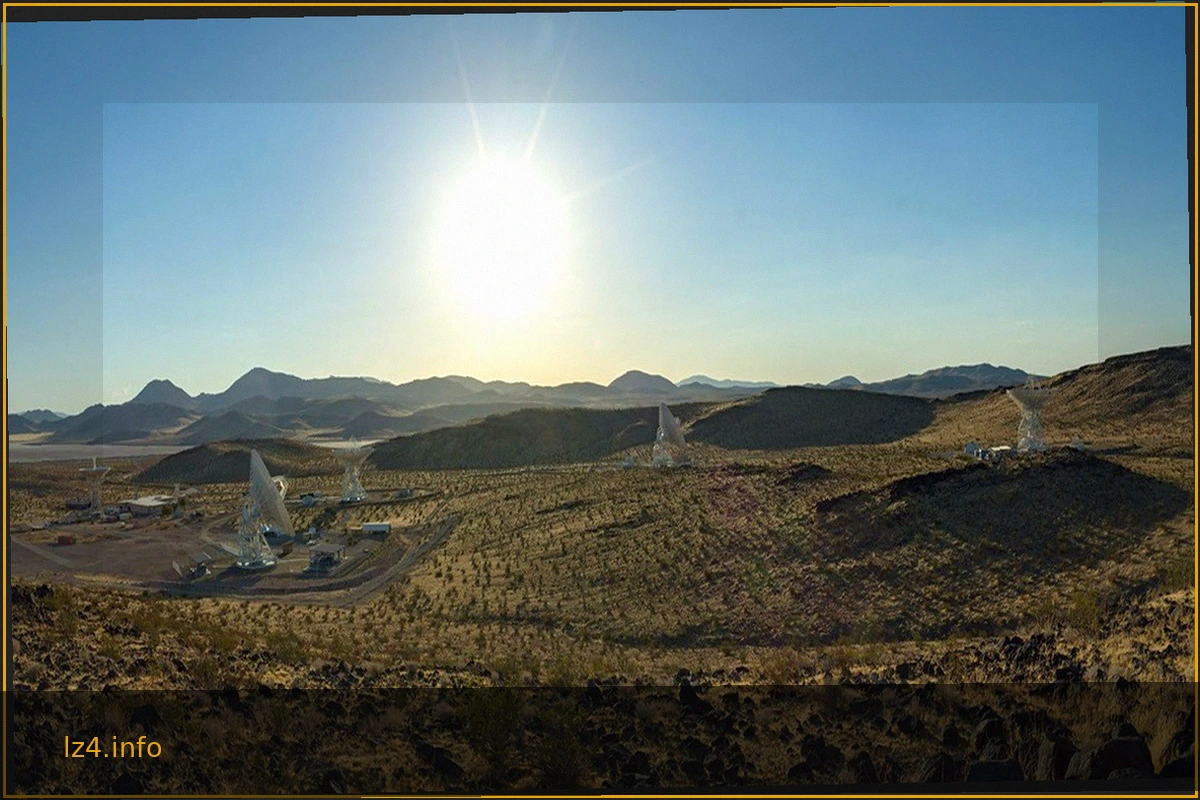
Panorama Showcasing the 34-Meter Antennas of the DSN’s Goldstone Complex
The expansive desert landscape of NASA's Deep Space Network (DSN) Goldstone complex in California is highlighted, featuring several imposing 34-meter (114-foot) satellite dishes. These powerful antennas are crucial for communicating with spacecraft across the vastness of space. Among them is t
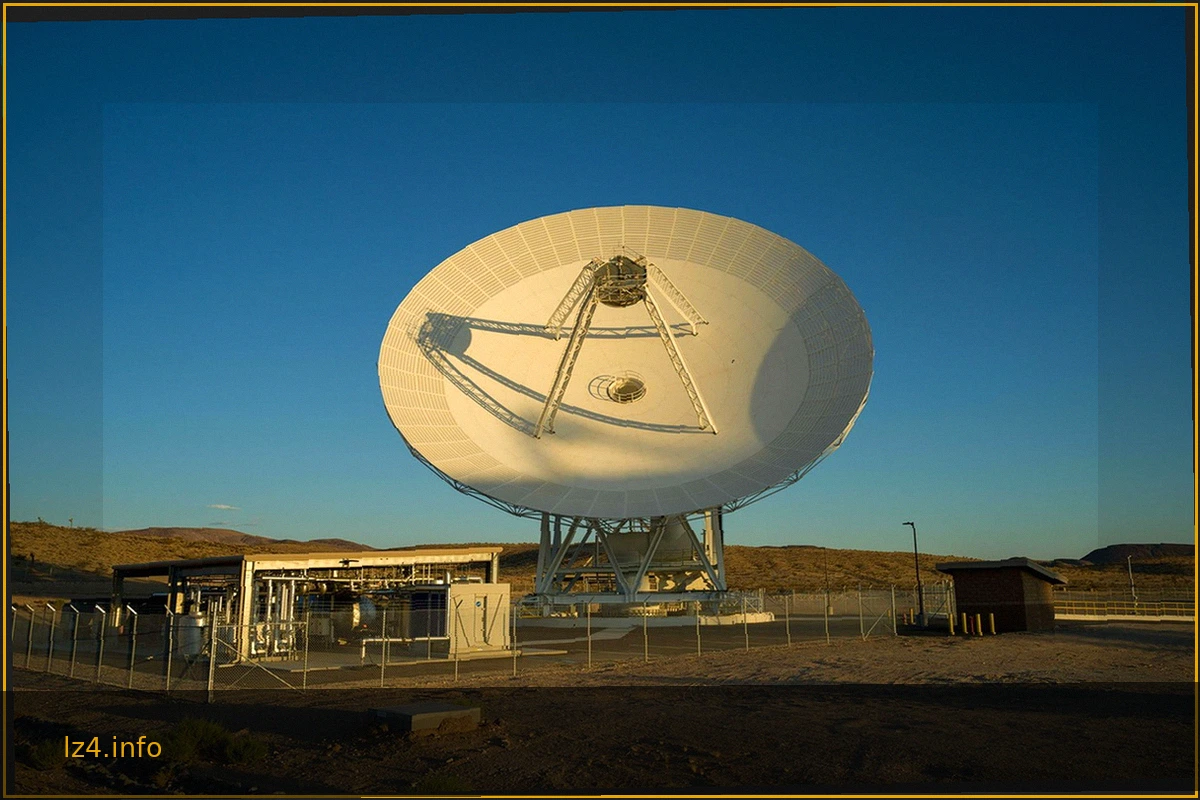
NASA Deep Space Network's New Goldstone Antenna Becomes Operational
The Deep Space Network's (DSN) Goldstone complex, located near Barstow, California, has activated its latest antenna, Deep Space Station 23 (DSS-23). This significant addition is a 34-meter (114-foot) multifrequency beam-waveguide antenna, designed to bolster the DSN's capacity and dramaticall
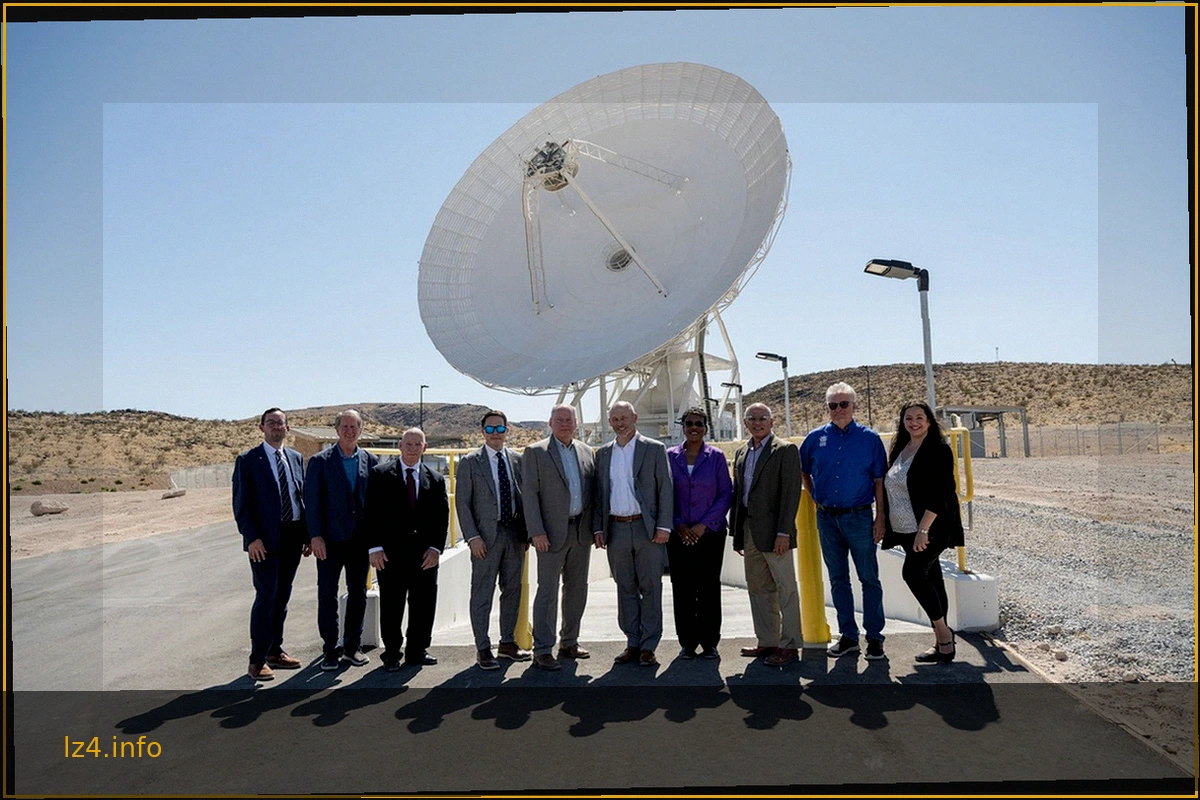
NASA Deep Space Network: Inauguration of Deep Space Station 23
The Jet Propulsion Laboratory (JPL) and the Deep Space Network (DSN) celebrated a significant milestone with the official ribbon-cutting ceremony for Deep Space Station 23 (DSS-23). This event, held on August 25, 2026, at the Goldstone complex near Barstow, California, marked the completion of
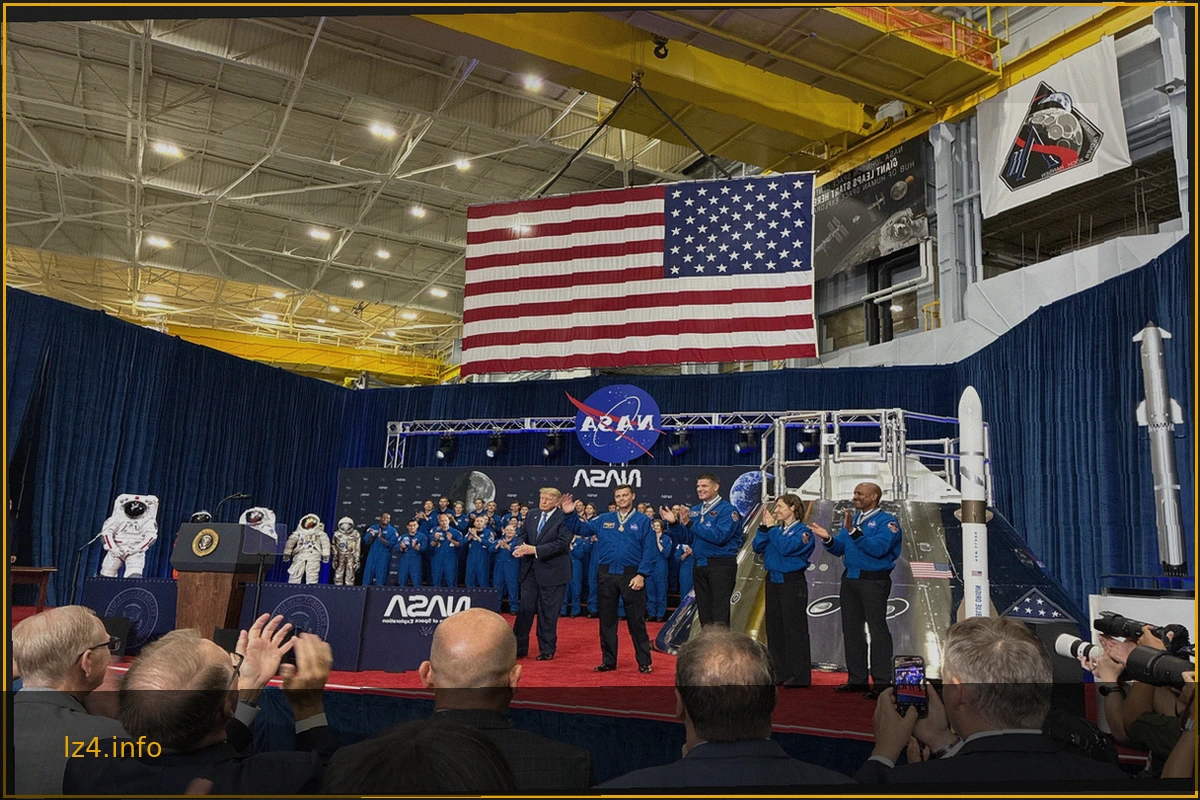
President Honors Artemis II Crew with Congressional Space Medal of Honor
President Donald J. Trump presented the Congressional Space Medal of Honor to NASA astronauts Reid Wiseman, Victor Glover, Christina Koch, and Canadian Space Agency astronaut Jeremy Hansen. This high honor was bestowed upon them for their exceptional service during the Artemis II mission. The
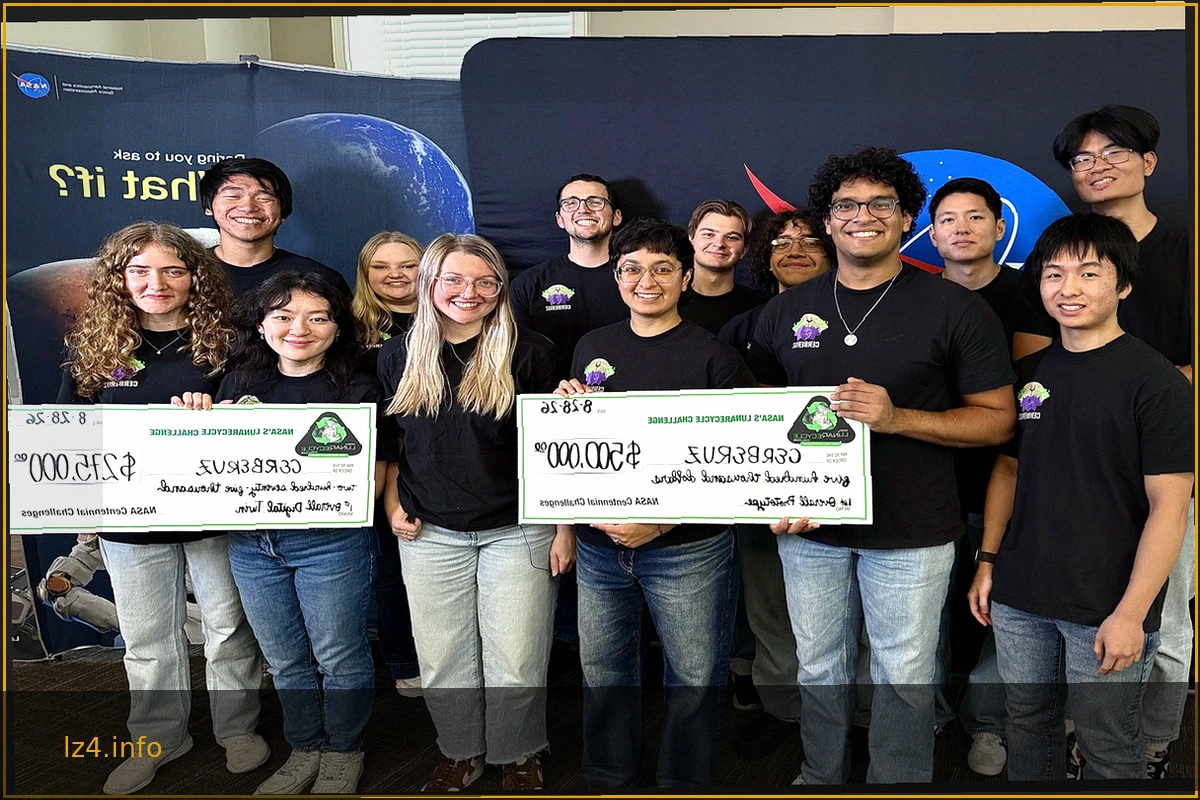
MIT Team Secures Top Honors in NASA's LunaRecycle Challenge for Advanced Space Waste Recycling
NASA has announced the Massachusetts Institute of Technology (MIT) team as the grand prize winner of Phase 2 of its LunaRecycle Challenge. This initiative aims to develop innovative solutions for reducing waste during space missions by recycling common materials such as fabrics, plastics, foam
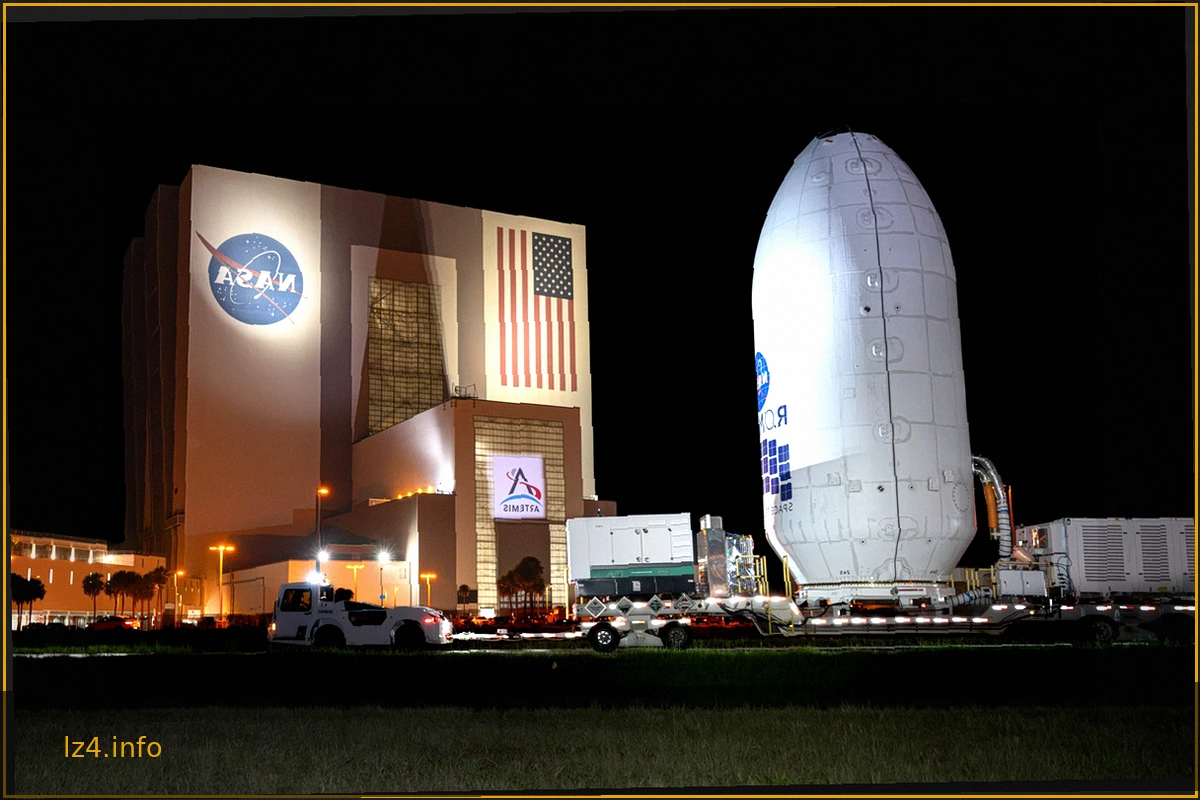
Nancy Grace Roman Space Telescope Moves to SpaceX Hangar for Launch Preparation
The Nancy Grace Roman Space Telescope, a groundbreaking observatory designed to unravel the mysteries of dark energy and dark matter, has reached a significant milestone. Encased within its protective payload fairing, the telescope was transported from NASA's Payload Hazardous Servicing Facili