NASA Details Roman Space Telescope Launch Coverage
NASA is all set to broadcast the pre-launch and launch activities for its groundbreaking Nancy Grace Roman Space Telescope. This next-generation observatory is poised to unlock some of the universe's most profound mysteries, including the enigmatic nature of dark energy.
The planned liftoff for the Roman telescope is scheduled for Sunday, August 30th, at 7:26 a.m. EDT. It will ascend into space aboard a SpaceX Falcon Heavy rocket, launching from Launch Complex 39A at NASA's Kennedy Space Center in Florida. The live broadcast will commence at 6:20 a.m. EDT.
You can follow the entire event live across a variety of digital platforms. Find out where to watch online at https://www.nasa.gov/live.
Named in honor of NASA's pioneering first chief astronomer, the Nancy Grace Roman Space Telescope promises to deliver unparalleled infrared vision. Its observational field will be at least 100 times larger than that of the iconic Hubble Space Telescope. Through its sharp and expansive surveys, scientists aim to investigate dark energy and dark matter, identify and characterize exoplanets, map billions of galaxies, study black holes, and explore celestial objects from our own solar system to the farthest reaches of the observable universe.
Following its launch and separation from the rocket, Roman will embark on a journey to the second Sun-Earth Lagrange point, known as L2, situated approximately one million miles from Earth. The mission is designed for a primary operational lifetime of five years, with a goal of extending its scientific output to a decade. Crucially, all scientific data gathered by Roman will be made publicly accessible after processing.
Here is the detailed schedule for NASA's mission coverage. Please note that all times are in Eastern Daylight Time (EDT) and are subject to change based on real-time operational adjustments:
Saturday, August 29
9 a.m.: NASA's Roman Space Telescope Mission Science Briefing: This briefing will be held at the NASA Kennedy Press Site auditorium. Panelists include:
- Shawn Domagal-Goldman, Director, Astrophysics Division, NASA Headquarters
- Julie McEnery, Roman Telescope Senior Project Scientist, NASA Goddard Space Flight Center
- Vanessa Bailey, Roman Coronagraph Instrument Scientist, NASA Jet Propulsion Laboratory
- Kristen McQuinn, Roman Science Operations Center Lead, Space Telescope Science Institute
- Lee Armus, Roman Science Support Center Lead, Caltech/IPAC
Media will have the opportunity to ask questions in person or by phone. In-person attendance in the auditorium will be limited. For dial-in details and passcodes, accredited media should contact the NASA Kennedy newsroom at ksc-newsroom@mail.nasa.gov no later than one hour before the briefing.
10:30 a.m.: NASA's Roman Space Telescope Prelaunch News Conference: This news conference will also take place at the NASA Kennedy Press Site auditorium. Participants include:
- Nicky Fox, Associate Administrator, Science Mission Directorate, NASA Headquarters
- Lucas Paganini, Roman Telescope Program Executive, NASA Headquarters
- Jackie Townsend, Roman Telescope Project Manager, NASA Goddard
- Denton Gibson, Launch Director, NASA's Launch Services Program, NASA Kennedy
- Julianna Scheiman, Director, NASA Science and Dragon Programs, SpaceX
- Justin McReynolds, Launch Weather Officer, 45th Weather Squadron, U.S. Space Force
Similar to the science briefing, media can ask questions in person or by phone, with limited in-person seating available. For dial-in details and passcodes, contact the NASA Kennedy newsroom at ksc-newsroom@mail.nasa.gov at least one hour prior to the conference.
11:45 a.m.: NASA Administrator Jared Isaacman is anticipated to perform a jet flyby of the Nancy Grace Roman Space Telescope and Falcon Heavy rocket on the launchpad. This aerial display will be broadcast live on the same stream as the prelaunch news conference, offering views of the launchpad during the transition. The flyby is contingent upon favorable weather conditions and operational considerations.
12 p.m.: In-person interviews are scheduled to take place in the NASA Kennedy Press News Center with the following individuals:
- Nicky Fox, Associate Administrator, Science Mission Directorate, NASA Headquarters
- Lucas Paganini, Roman Telescope Program Executive, NASA Headquarters
- Dalia Kirschbaum, Acting Director, Sciences and Exploration Directorate, NASA Goddard
- Josh Schlieder, Roman Telescope Project Scientist, NASA Goddard
- Jason Hylan, Roman Telescope Flight Segment and Observatory Manager, NASA Goddard
- Bertrand Mennesson, Roman Coronagraph Instrument Project Scientist, NASA JPL
- Jeff Hanke, President, Space Systems, Space and Mission Systems, L3Harris Technologies
- Wendy Minotti, Program Manager, Exquisite Imaging, Space and Mission Systems, L3Harris Technologies
- Bonnie Patterson, Vice President and General Manager, Civil Space, Space and Mission Systems, BAE Systems
- Sarah Lipscy, Director, Strategic Operations, Space and Mission Systems, BAE Systems
Media who have previously been credentialed and wish to schedule an interview should contact the NASA Kennedy newsroom at ksc-newsroom@mail.nasa.gov.
Sunday, August 30
6:20 a.m.: Launch coverage commences.
7:26 a.m.: Liftoff!
9:30 a.m.: Post-Launch News Conference: This conference will feature the following participants:
- NASA Administrator Jared Isaacman
- Nicky Fox, Associate Administrator, Science Mission Directorate, NASA Headquarters
- Jackie Townsend, Roman Telescope Project Manager, NASA Goddard
- Julie McEnery, Roman Telescope Senior Project Scientist, NASA Goddard
- Denton Gibson, Launch Director, NASA's Launch Services Program, NASA Kennedy
Media can participate in person or by phone, with limited auditorium seating. For dial-in information and passcodes, please contact the NASA Kennedy newsroom at ksc-newsroom@mail.nasa.gov at least one hour before the conference.
Audio-Only Coverage
Listen to the launch live via audio-only on NASA's “V” circuits by dialing 321-867-1220 or 321-867-1240. On launch day, mission audio countdown activities without NASA broadcast commentary will be available on 321-867-7135.
Additional launch audio feeds will be accessible through the Launch Information Service and Amateur Television System's VHF radio frequency 146.940 MHz, and the KSC Amateur Radio Club's UHF radio frequency 444.925 MHz (FM mode), receivable within Brevard County on the Space Coast.
NASA Website Launch Coverage
Comprehensive launch day coverage, including a livestream and blog updates tracking countdown milestones, will be available on the NASA website. On-demand streaming video and launch photos will be published shortly after liftoff. Stay updated with mission progress on the Roman launch blog.
Attend Launch Virtually
Members of the public are invited to register for a virtual attendance experience for the Roman launch at this link. NASA's Virtual Guest Program offers curated launch resources, notifications about related opportunities or schedule changes, and a virtual guest passport stamp upon completion.
Engage on Social Media
Share your excitement about the mission on X, Facebook, and Instagram by following and tagging these official NASA accounts:
- X: @NASARoman, @NASAUniverse, @NASAKennedy
- Facebook: @NASARoman, @NASAGoddard, @NASAKennedy
- Instagram: @NASAGoddard, @NASAUniverse, @NASAKennedy
The Roman telescope is managed by NASA Goddard, with significant contributions from the Jet Propulsion Laboratory in Southern California, Caltech/IPAC in Pasadena, California, the Space Telescope Science Institute in Baltimore, and a diverse team of scientists from various research institutions. Key industrial partners include BAE Systems Inc., L3Harris Technologies, and Teledyne Scientific & Imaging. Additional international contributions come from ESA (European Space Agency), JAXA (Japan Aerospace Exploration Agency), CNES (France), and the Max Planck Institute for Astronomy (Germany). NASA's Launch Services Program, based at Kennedy, oversees the launch services for the Roman mission.
For more detailed information about NASA's Roman telescope, please visit: https://www.nasa.gov/roman
Fresh materials — MMA
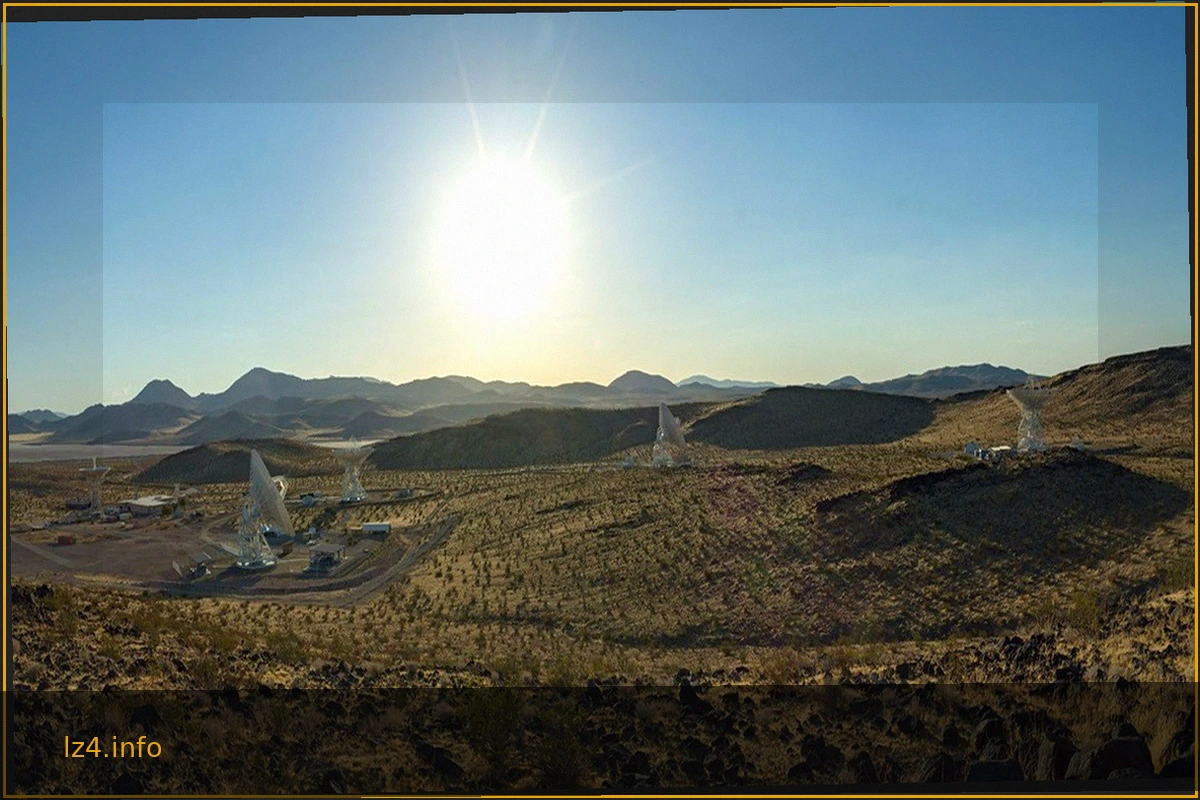
Panorama Showcasing the 34-Meter Antennas of the DSN’s Goldstone Complex
The expansive desert landscape of NASA's Deep Space Network (DSN) Goldstone complex in California is highlighted, featuring several imposing 34-meter (114-foot) satellite dishes. These powerful antennas are crucial for communicating with spacecraft across the vastness of space. Among them is t
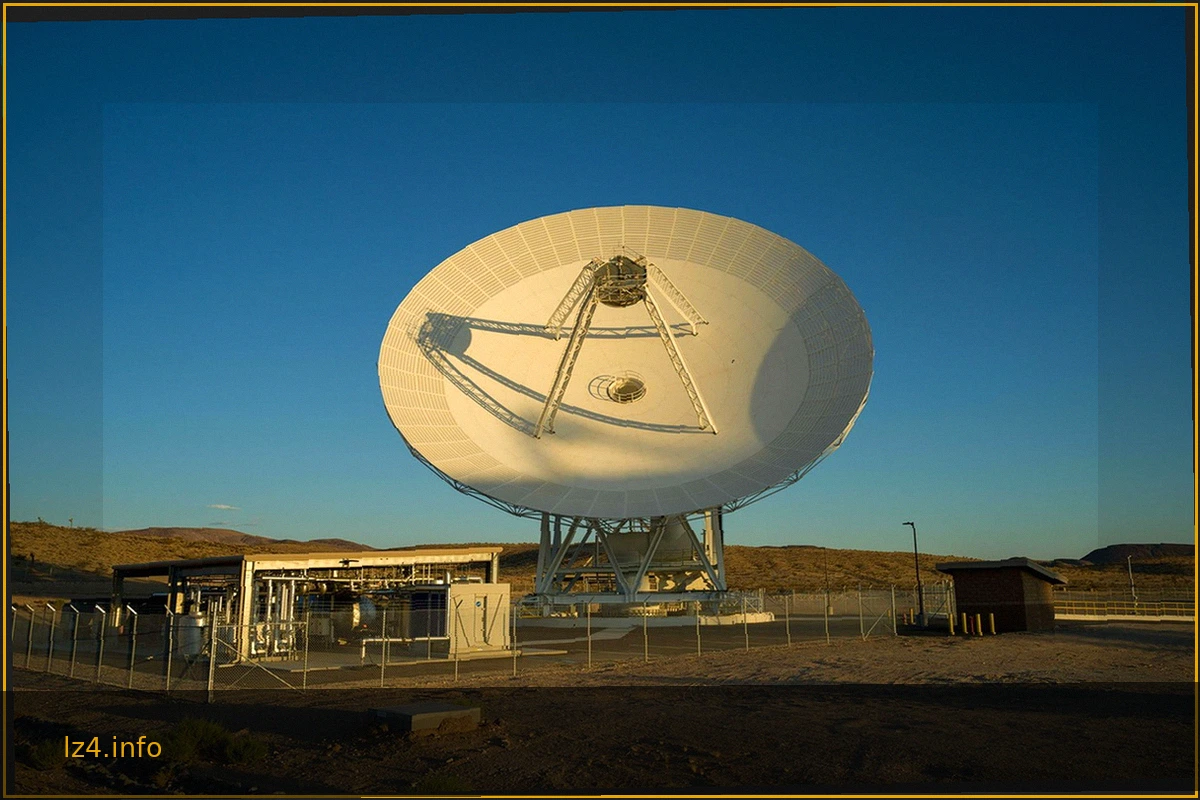
NASA Deep Space Network's New Goldstone Antenna Becomes Operational
The Deep Space Network's (DSN) Goldstone complex, located near Barstow, California, has activated its latest antenna, Deep Space Station 23 (DSS-23). This significant addition is a 34-meter (114-foot) multifrequency beam-waveguide antenna, designed to bolster the DSN's capacity and dramaticall
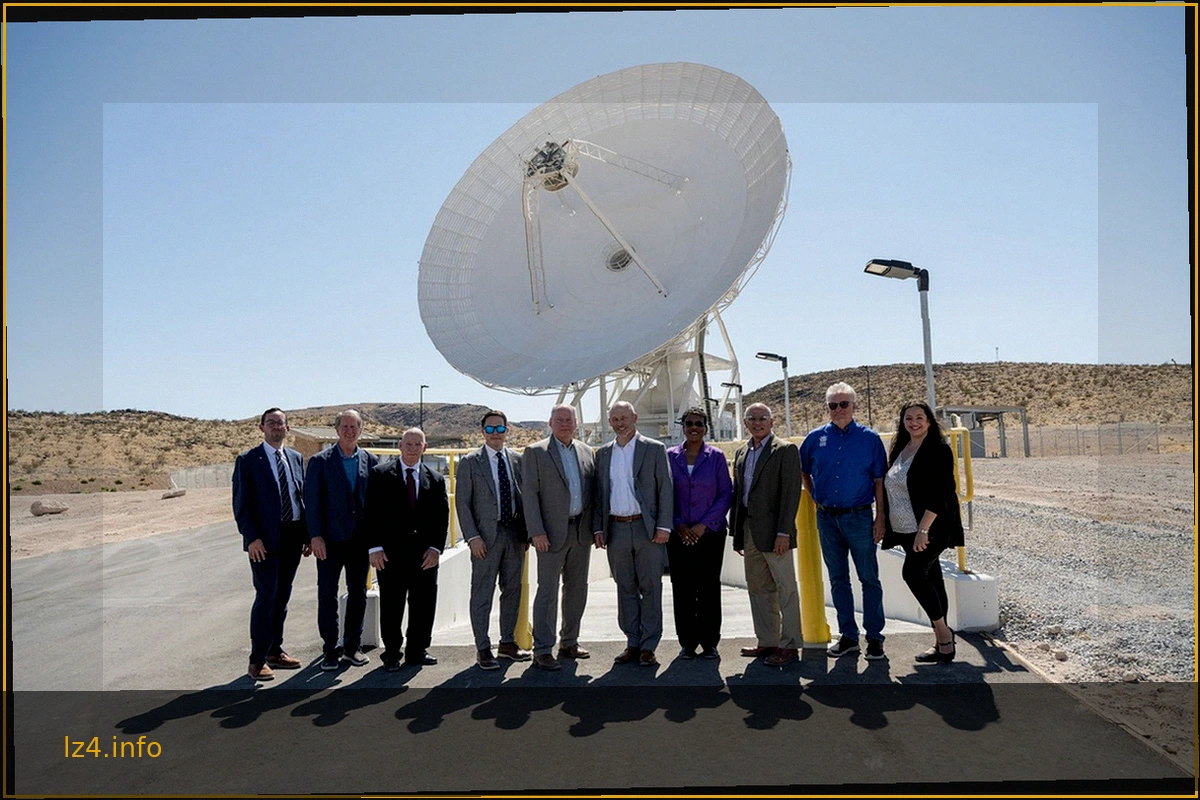
NASA Deep Space Network: Inauguration of Deep Space Station 23
The Jet Propulsion Laboratory (JPL) and the Deep Space Network (DSN) celebrated a significant milestone with the official ribbon-cutting ceremony for Deep Space Station 23 (DSS-23). This event, held on August 25, 2026, at the Goldstone complex near Barstow, California, marked the completion of
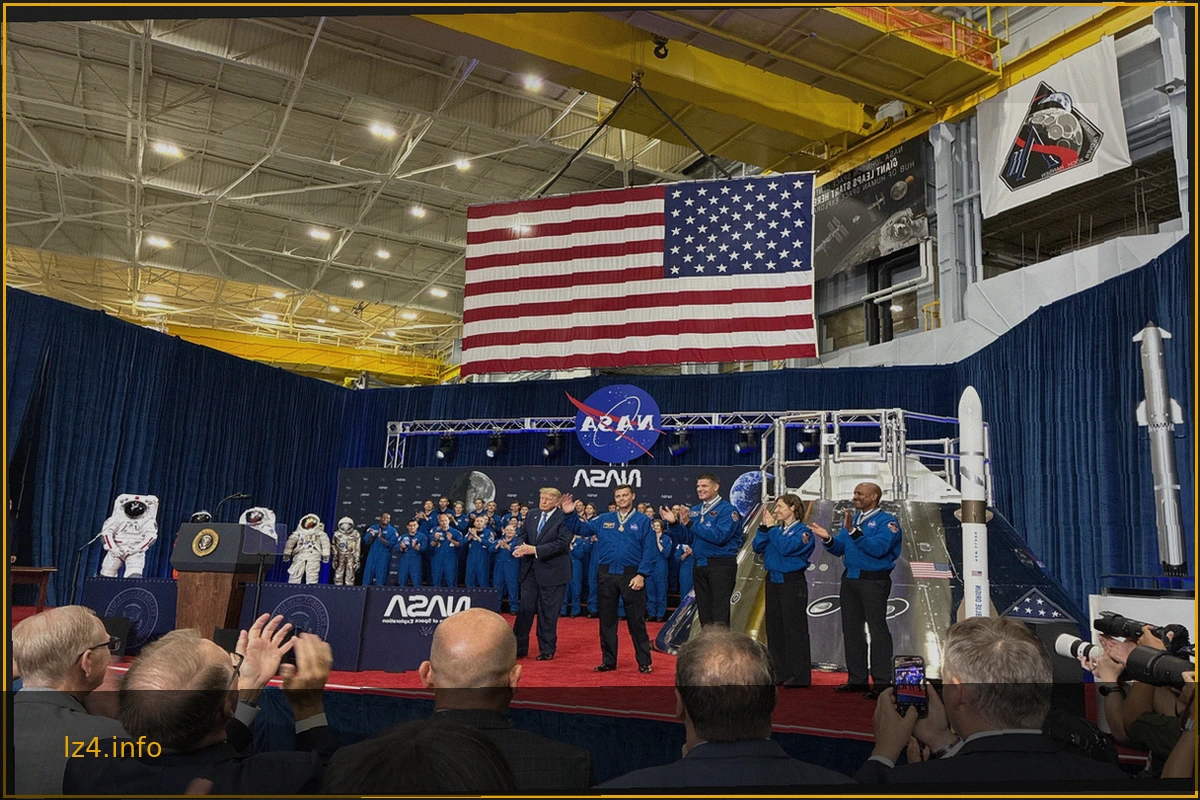
President Honors Artemis II Crew with Congressional Space Medal of Honor
President Donald J. Trump presented the Congressional Space Medal of Honor to NASA astronauts Reid Wiseman, Victor Glover, Christina Koch, and Canadian Space Agency astronaut Jeremy Hansen. This high honor was bestowed upon them for their exceptional service during the Artemis II mission. The
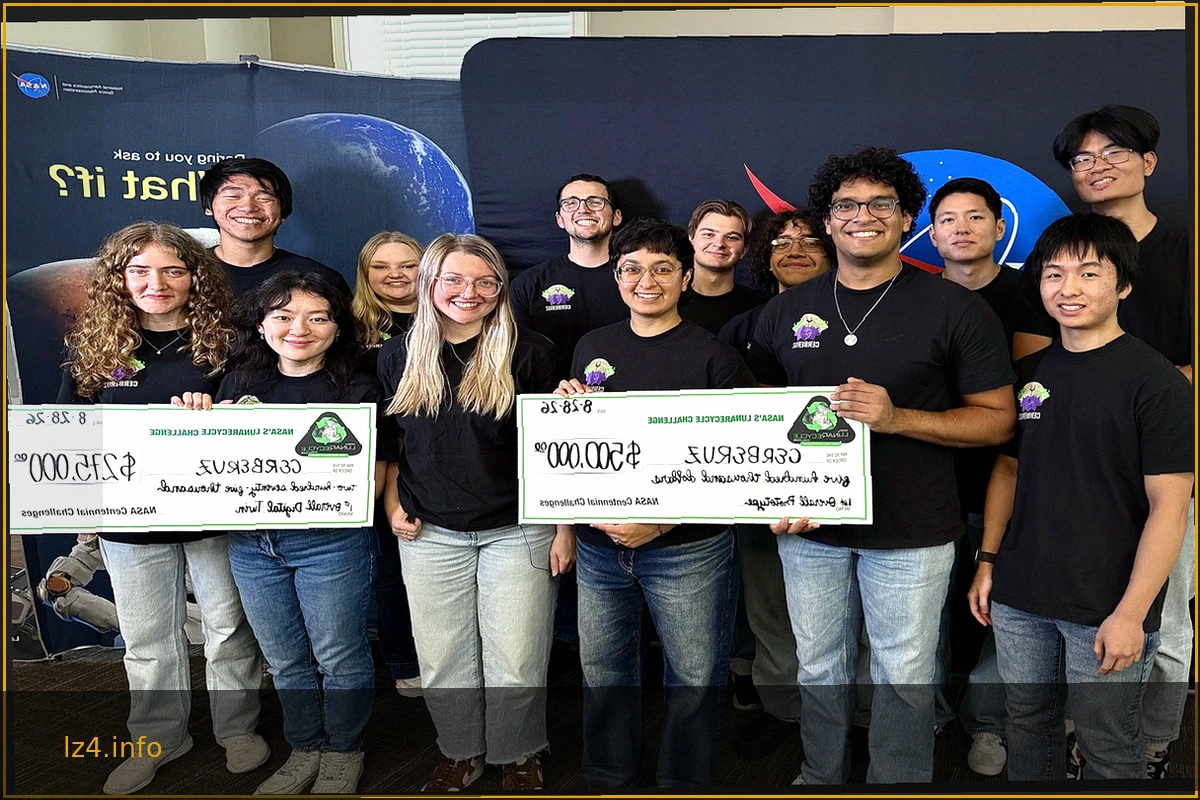
MIT Team Secures Top Honors in NASA's LunaRecycle Challenge for Advanced Space Waste Recycling
NASA has announced the Massachusetts Institute of Technology (MIT) team as the grand prize winner of Phase 2 of its LunaRecycle Challenge. This initiative aims to develop innovative solutions for reducing waste during space missions by recycling common materials such as fabrics, plastics, foam
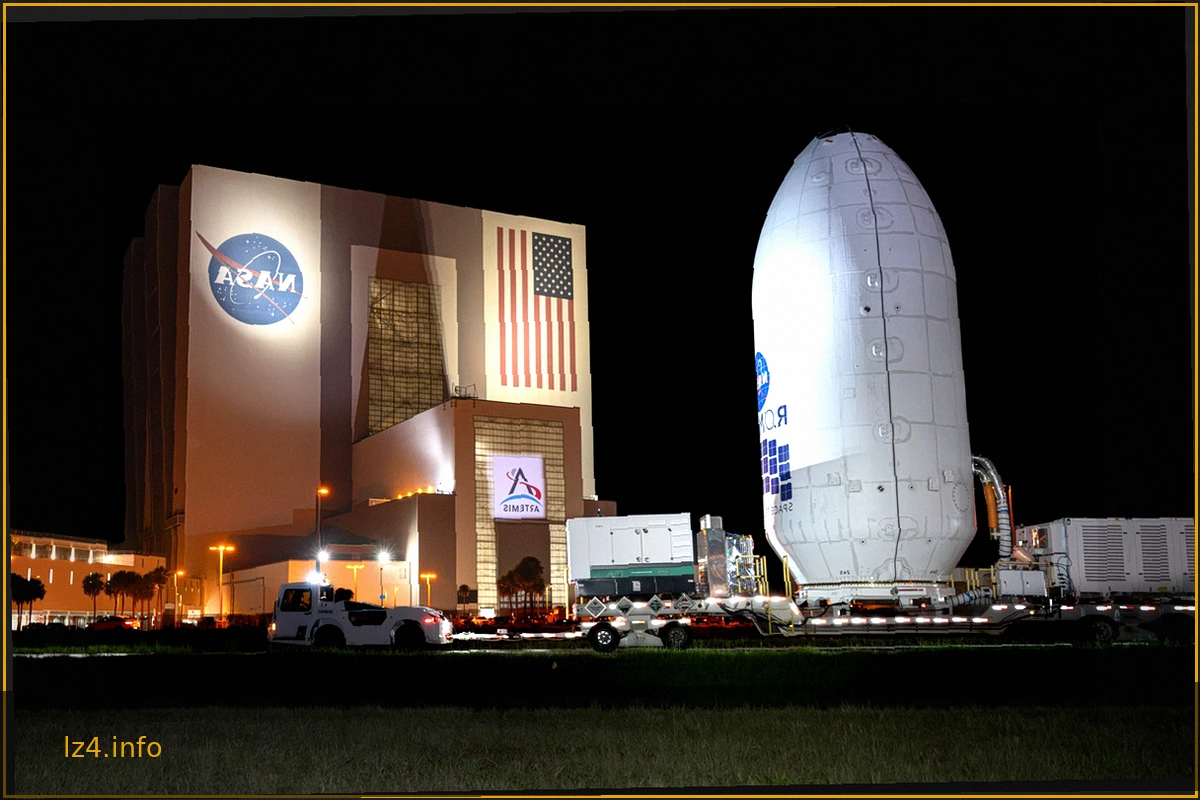
Nancy Grace Roman Space Telescope Moves to SpaceX Hangar for Launch Preparation
The Nancy Grace Roman Space Telescope, a groundbreaking observatory designed to unravel the mysteries of dark energy and dark matter, has reached a significant milestone. Encased within its protective payload fairing, the telescope was transported from NASA's Payload Hazardous Servicing Facili