Human Microbes Could Survive on Moon's South Pole, NASA Study Suggests
NASA scientists have concluded that certain microbes commonly found on Earth, which are likely to travel with human explorers, could potentially survive in the shaded areas of the Moon's South Pole region. These findings, published in Science Advances on August 19, 2026, highlight the importance of understanding how microbial life behaves in extreme lunar environments. As humanity establishes a more permanent presence on the Moon, differentiating between ancient lunar chemistry and contamination introduced by astronauts will become increasingly challenging. This concern also extends to future missions to Mars.
Prabal Saxena, a planetary scientist at NASA's Goddard Space Flight Center, who led the study, noted that "Humans are natural explorers, and with them come their voices, their memories… and their microbes." He added that while this reality can be unsettling for some, it also presents an opportunity for scientific experimentation. It is unavoidable that microbes will accompany humans into space, as an area of skin the size of a pencil eraser can host around 1 million bacteria. These microbes can escape from spacesuits and habitats. While the study's authors are concerned about contamination potentially interfering with the search for geological or biological clues, they also propose using the Moon as a natural laboratory. The shaded areas near the South Pole could serve as a controlled environment to test the limits of microbial survival in conditions that are difficult to replicate on Earth.
Before conducting surface science, researchers emphasize the need for baseline measurements of contaminants brought by humans. Andrew Needham, a contamination-control scientist for lunar samples at NASA Goddard, stated, "We need to understand what was there before us, because when we go to Mars to search for signs of life beyond our planet, we will want to make sure it’s not stuff we brought."
Even with stringent sterilization methods, some microorganisms prove remarkably resilient. A prime example is Aspergillus niger, a fungus that flourishes in warm, moist environments like bathrooms and HVAC systems. This fungus has been detected within the International Space Station, and experiments confirm its ability to survive external exposure. Aspergillus niger was one of five microbes, including bacteria and fungi, chosen for this research due to its known hardiness in spaceflight conditions. Aaron Regberg, a geomicrobiologist at NASA's Johnson Space Center, expressed surprise that these microbes survived on the space station's exterior, as they are not typically classified as "extremophiles" capable of withstanding harsh conditions like the vacuum of space. He added, "I would have expected these microbes to have dried out."
Regberg also pointed out that NASA typically sterilizes robotic spacecraft by heating them above 400 degrees Fahrenheit to minimize living organisms. This method is not feasible for crewed missions, making contamination a significant consideration for human exploration of the lunar South Pole. Survival in this study is defined as the ability to remain alive for at least one Earth day, not necessarily to grow and reproduce.
Understanding the behavior of sunlight at the lunar poles provides insight into where microbes might survive. Due to the Moon's minimal axial tilt, the sun appears to hover just above the horizon, casting long shadows. Elevated features like crater rims and mountains block sunlight from reaching low-lying areas, creating permanently shadowed regions. These areas can remain cold, preserve water, and shield delicate molecules and potential microorganisms from lethal radiation.
With this scientific context, the research team investigated which Earth microbes could endure the extreme polar conditions, focusing on organisms commonly found in spaceflight and on human skin. In addition to Aspergillus niger, the study examined Bacillus subtilis, Staphylococcus aureus, Deinococcus radiodurans, and several species of Fusarium. Based on prior research, the scientists determined the maximum heat and ultraviolet (UV) radiation each organism could tolerate.
The selected organisms were then tested in simulated environments representing three regions near the lunar South Pole: Nobile Rim, Connecting Ridge, and De Gerlache Rim. These simulations utilized detailed environmental maps derived from elevation and temperature data gathered by NASA’s Lunar Reconnaissance Orbiter, coupled with models of radiation exposure on the surface.
The models revealed maps of "survivable niches" ranging in size from vast crater floors to as small as an astronaut's boot print. Aspergillus niger, exhibiting the greatest resistance to UV radiation, was capable of surviving even in areas with some sunlight. UV radiation is so lethal to most microbes that it is employed for sterilization in hospitals.
Heather Graham, a co-author of the study at NASA Goddard, who specializes in developing tools for detecting extraterrestrial biology, remarked, "When we think of the Moon, we don’t typically think of biology. But the Moon is a place where a cell can survive, so our first exploration of these sites should pay extra attention to our microbial hitchhikers and work hard to characterize lunar chemistry before our visits change what we will find."
The authors acknowledge that while some microbes can survive in a dormant state in South Polar regions, potentially confounding future scientific investigations, there is currently no evidence that the Moon possesses the essential ingredients for growth and reproduction, such as liquid water, which typically requires an atmosphere and moderate temperatures.
Fresh materials — MMA
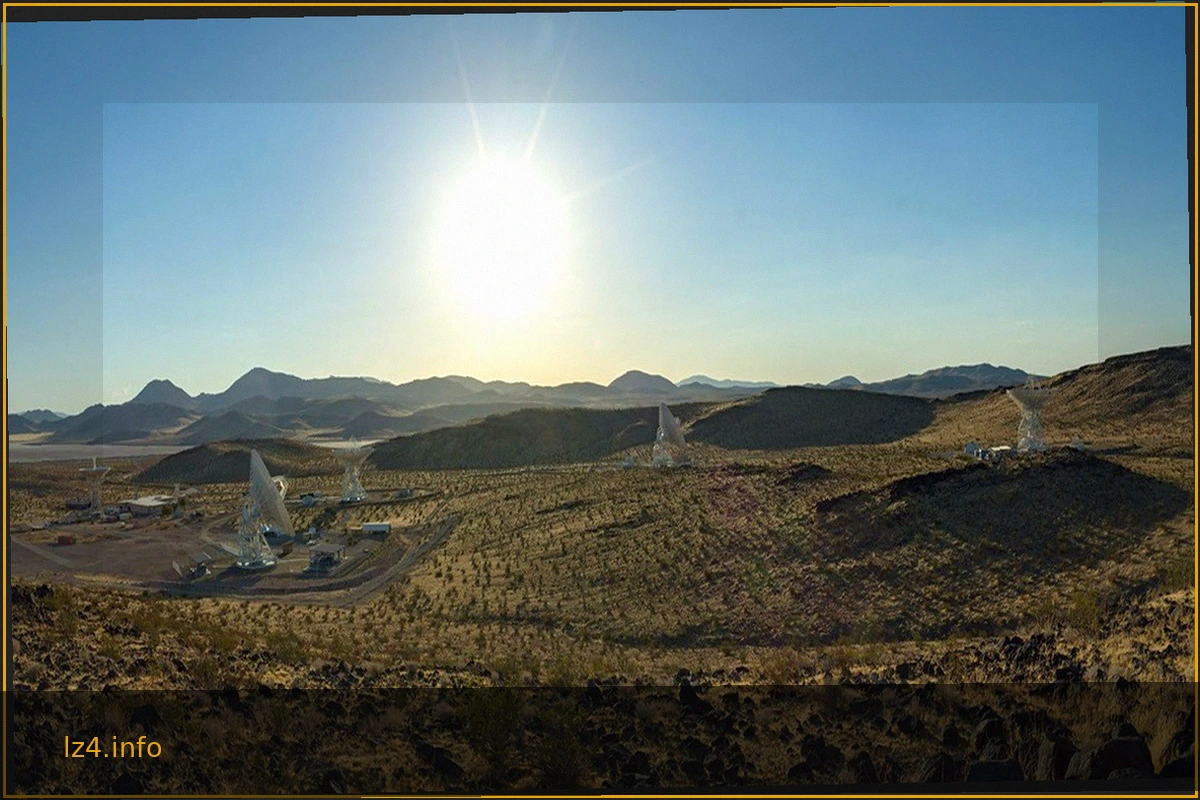
Panorama Showcasing the 34-Meter Antennas of the DSN’s Goldstone Complex
The expansive desert landscape of NASA's Deep Space Network (DSN) Goldstone complex in California is highlighted, featuring several imposing 34-meter (114-foot) satellite dishes. These powerful antennas are crucial for communicating with spacecraft across the vastness of space. Among them is t
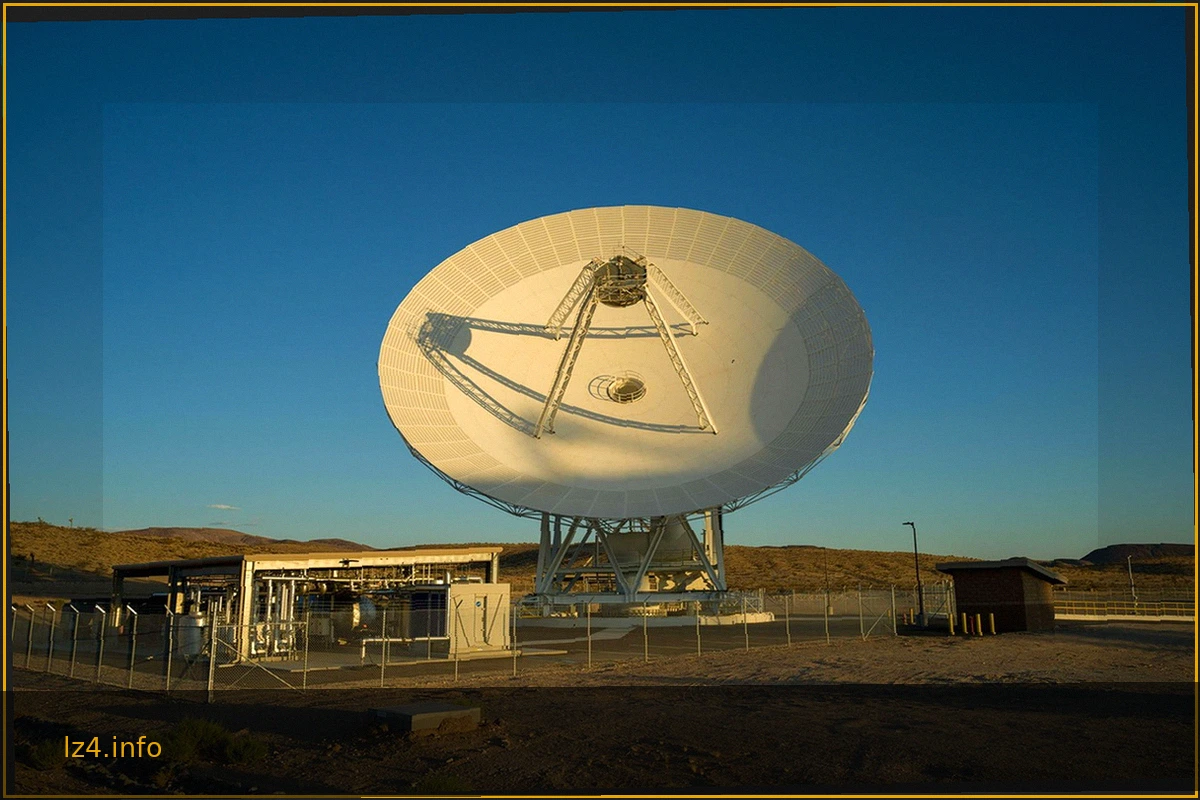
NASA Deep Space Network's New Goldstone Antenna Becomes Operational
The Deep Space Network's (DSN) Goldstone complex, located near Barstow, California, has activated its latest antenna, Deep Space Station 23 (DSS-23). This significant addition is a 34-meter (114-foot) multifrequency beam-waveguide antenna, designed to bolster the DSN's capacity and dramaticall
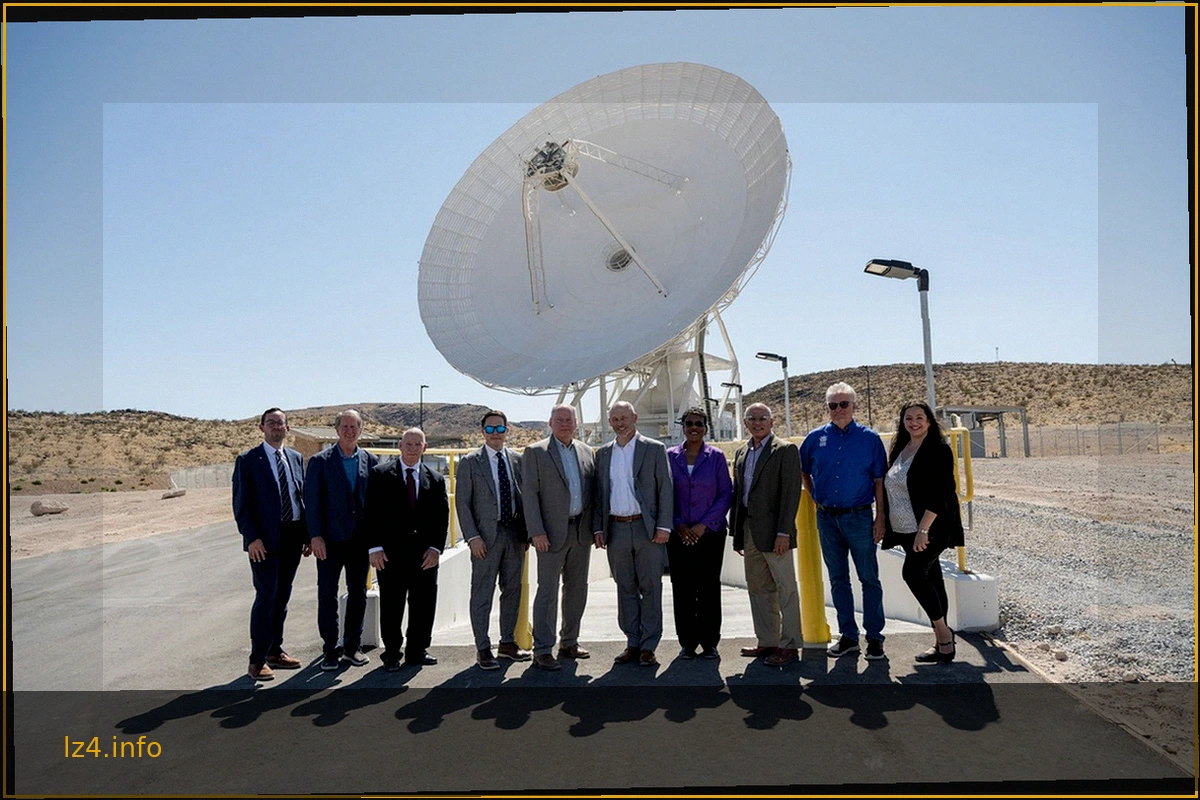
NASA Deep Space Network: Inauguration of Deep Space Station 23
The Jet Propulsion Laboratory (JPL) and the Deep Space Network (DSN) celebrated a significant milestone with the official ribbon-cutting ceremony for Deep Space Station 23 (DSS-23). This event, held on August 25, 2026, at the Goldstone complex near Barstow, California, marked the completion of
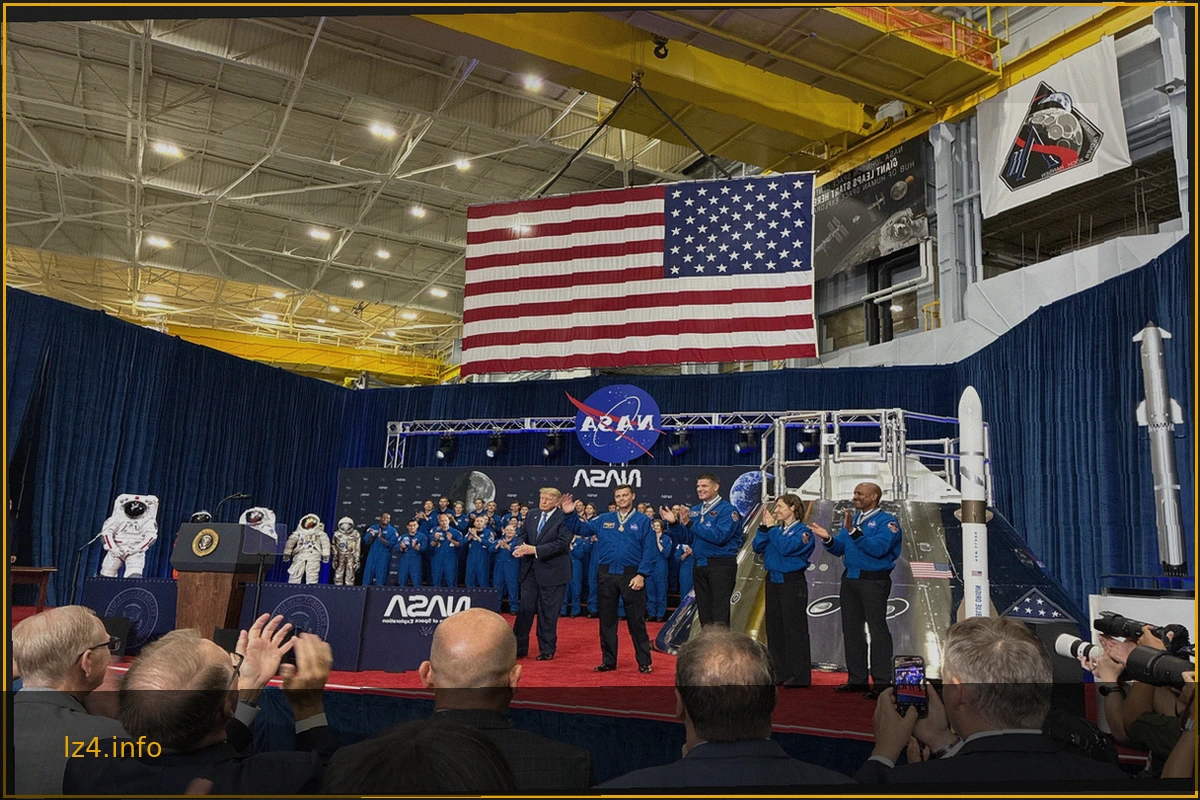
President Honors Artemis II Crew with Congressional Space Medal of Honor
President Donald J. Trump presented the Congressional Space Medal of Honor to NASA astronauts Reid Wiseman, Victor Glover, Christina Koch, and Canadian Space Agency astronaut Jeremy Hansen. This high honor was bestowed upon them for their exceptional service during the Artemis II mission. The
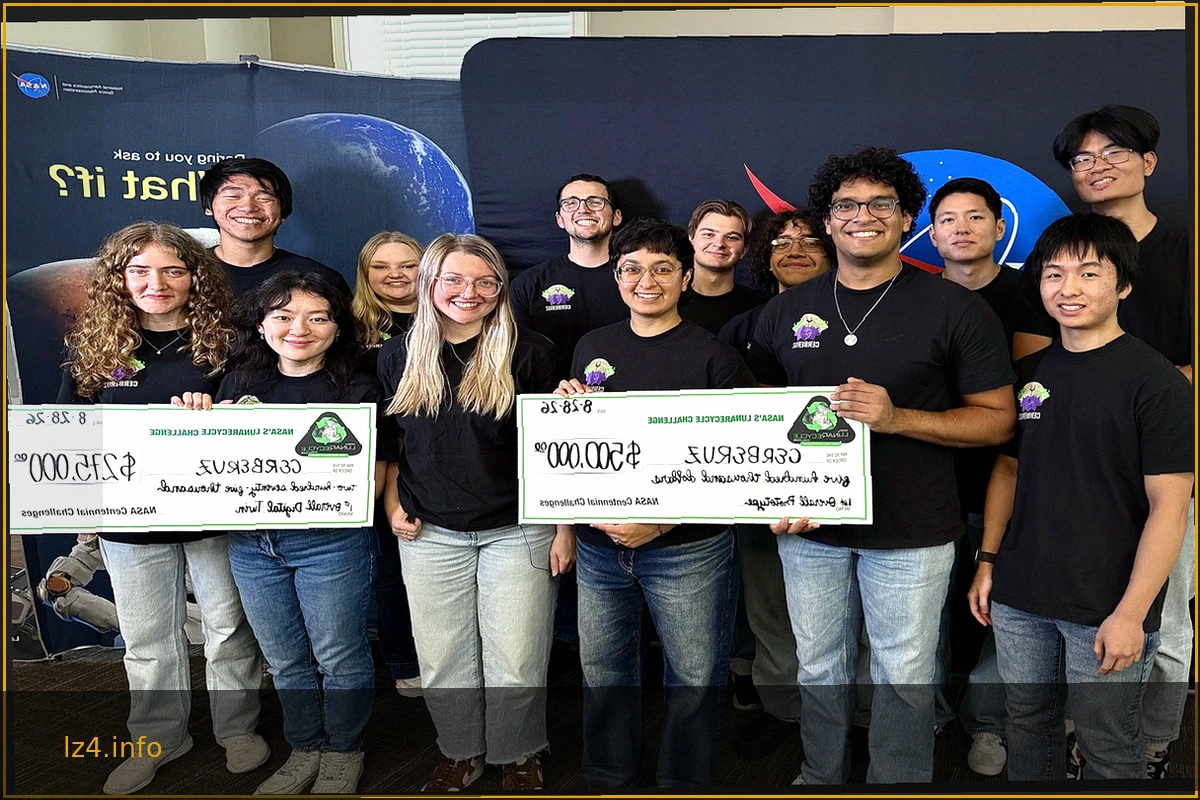
MIT Team Secures Top Honors in NASA's LunaRecycle Challenge for Advanced Space Waste Recycling
NASA has announced the Massachusetts Institute of Technology (MIT) team as the grand prize winner of Phase 2 of its LunaRecycle Challenge. This initiative aims to develop innovative solutions for reducing waste during space missions by recycling common materials such as fabrics, plastics, foam
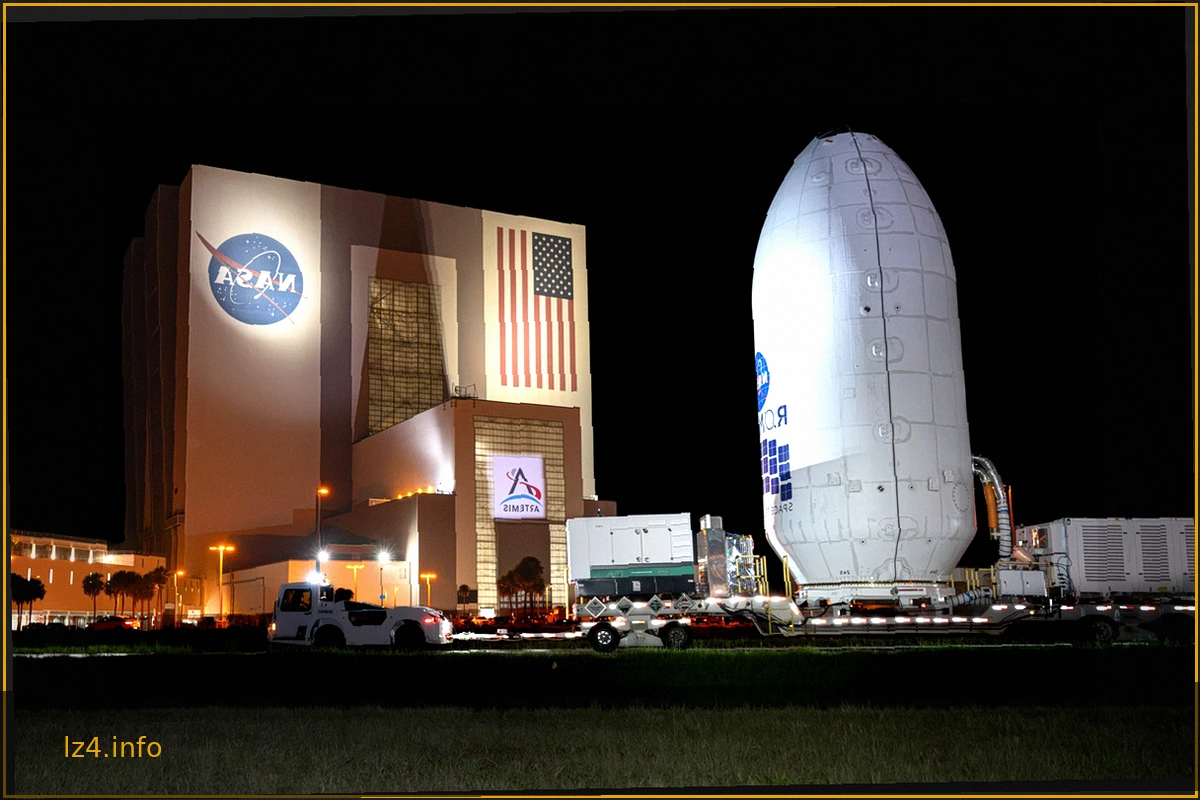
Nancy Grace Roman Space Telescope Moves to SpaceX Hangar for Launch Preparation
The Nancy Grace Roman Space Telescope, a groundbreaking observatory designed to unravel the mysteries of dark energy and dark matter, has reached a significant milestone. Encased within its protective payload fairing, the telescope was transported from NASA's Payload Hazardous Servicing Facili