Curiosity Blog, Sols 4982–4987: Back to Our Regularly Scheduled Programming
After a brief exploration of an erosional surface, NASA's Curiosity rover has resumed its planned journey up Mount Sharp on Mars. As autumn approaches in Gale Crater, conditions become more favorable for rover operations due to decreasing temperatures and a reduced likelihood of dust storms, though the rover remains vigilant for any late-season weather events.
The mission's recent activities (Sols 4982-4985) focused on a distinctive geological feature situated above the recent erosional surface. Building on observations from the previous planning cycle, the Mars Hand Lens Imager (MAHLI) captured detailed images of the underside of a target named "Tres Morros" to provide the science team with a closer look. The Alpha Particle X-ray Spectrometer (APXS) analyzed two bedrock targets: "El Motacusal" after brushing with the Dust Removal Tool (DRT) and "Alto de Carmen" in its natural state. Both APXS targets were documented with high-resolution MAHLI images. ChemCam employed its laser spectrometer (LIBS) on bedrock targets "Lagunas Bravas" and "Parququcha," and also performed remote micro-imaging on "Mishe Mokwa." The Mastcam instrument captured a near-field mosaic of the erosional ridge, nicknamed "Los Toldos," and another mosaic of bedrock exposures higher up, named "Los Ladrillos." Color documentation of previous ChemCam Remote Micro-Imaging on "Cordillera" and current LIBS activities was also acquired.
Curiosity then traveled approximately 100 feet (30 meters) to a new location for the Sols 4985-4987 plan. While the new site offered ample bedrock for analysis, the rover's position with its left-front wheel on a small rock prevented the safe use of the DRT. Despite this, MAHLI and APXS successfully conducted contact science on two bedrock targets, "Mamorecillo" and "Aguas Claras." MAHLI also performed a calibration activity. ChemCam is set to analyze the geochemistry of three targets using its laser spectrometer, followed by Mastcam documentation. ChemCam's LIBS targets include a dark, resistant layer in the bedrock named "Yura Kasa." Mastcam will continue to image the stratigraphy above the erosional contact with a series of mosaics.
Environmental monitoring was a significant part of the recent operations, with multiple Mastcam observations to measure atmospheric optical depth ("tau"), indicating dust levels. APXS contributed with an overnight atmospheric measurement. Navcam was extensively used for dust storm monitoring, conducting dust-devil surveys, zenith observations, line-of-sight observations within the crater, and capturing suprahorizon cloud movies.
The rover is scheduled to continue its ascent of Mount Sharp, with a planned drive of 150 feet (47 meters) southwest of its current position. The team anticipates a new week of contact science, remote sensing, and driving on Mars.
English Translation:
After a brief detour to investigate an "erosional surface," NASA's Curiosity rover is back on course to ascend Mount Sharp. As Gale Crater transitions into autumn, temperatures are dropping, and the likelihood of dust storms is decreasing. However, Curiosity continues to monitor for any last signs of late-season local and regional dust storms.
Monday's plan for Sols 4982 to 4985 began with Curiosity facing a unique geological feature just above the erosional supersurface contact. As mentioned in the previous blog post, the team spent two planning cycles at this remarkable location. The Mars Hand Lens Imager (MAHLI) took the opportunity to reacquire selected images for a mosaic of the target "Tres Morros," allowing the science team to examine the underside of this feature in detail. The Alpha Particle X-ray Spectrometer (APXS) took measurements of the bedrock target "El Motacusal" after it was brushed with the Dust Removal Tool (DRT). APXS also performed a second measurement on the "as is" bedrock target "Alto de Carmen." Both APXS targets were documented with high-resolution images captured by MAHLI. ChemCam activities included LIBS spectroscopy on bedrock targets "Lagunas Bravas" and "Parququcha," as well as ChemCam Remote Micro-Imaging on "Mishe Mokwa." The author had the opportunity to be on the Mastcam uplink shift for this plan. Mastcam captured a near-field mosaic of the erosional ridge, dubbed "Los Toldos," and a mosaic of bedrock exposures further away, named "Los Ladrillos." In addition to these mosaics, Mastcam also provided color documentation of the previous plan's ChemCam Remote Micro-Imaging on "Cordillera" and the ChemCam LIBS activities conducted during this plan.
Curiosity then drove 100 feet (30 meters) to reach its location for Friday's plan (Sols 4985 to 4987). Although there was plenty of flat and promising bedrock at this new site, the rover's position, with its left-front wheel perched on a small rock, made it unsafe to use the robotic arm for DRT operations. MAHLI and APXS were still able to safely perform contact science on two bedrock targets, "Mamorecillo" and "Aguas Claras." MAHLI also had an additional housekeeping activity to image the calibration target. ChemCam plans to use its laser spectrometer to gather geochemistry data on three targets in this vicinity, followed by Mastcam documentation. Today's ChemCam LIBS targets include a dark-toned resistant layer in the bedrock, "Yura Kasa." Mastcam is planning a series of mosaics to continue imaging the stratigraphy in the unit above the erosional contact.
The plan included numerous environmental monitoring activities to track dust storms. Mastcam took a series of dust-imaging observations to measure the optical depth, or "tau," of the atmosphere. A higher tau value indicates a greater amount of dust. APXS joined in by planning an overnight atmospheric measurement. Navcam took on most of the dust storm monitoring responsibilities, including multiple large dust-devil surveys, zenith observations, in-crater line-of-sight observations, and suprahorizon cloud movies.
Curiosity will continue its climb up Mount Sharp. The planned drive of 150 feet (47 meters) will take the rover southwest of its current location. Operations will resume on Monday, beginning a new week of contact science, remote sensing, and driving on Mars.
Fresh materials — MMA
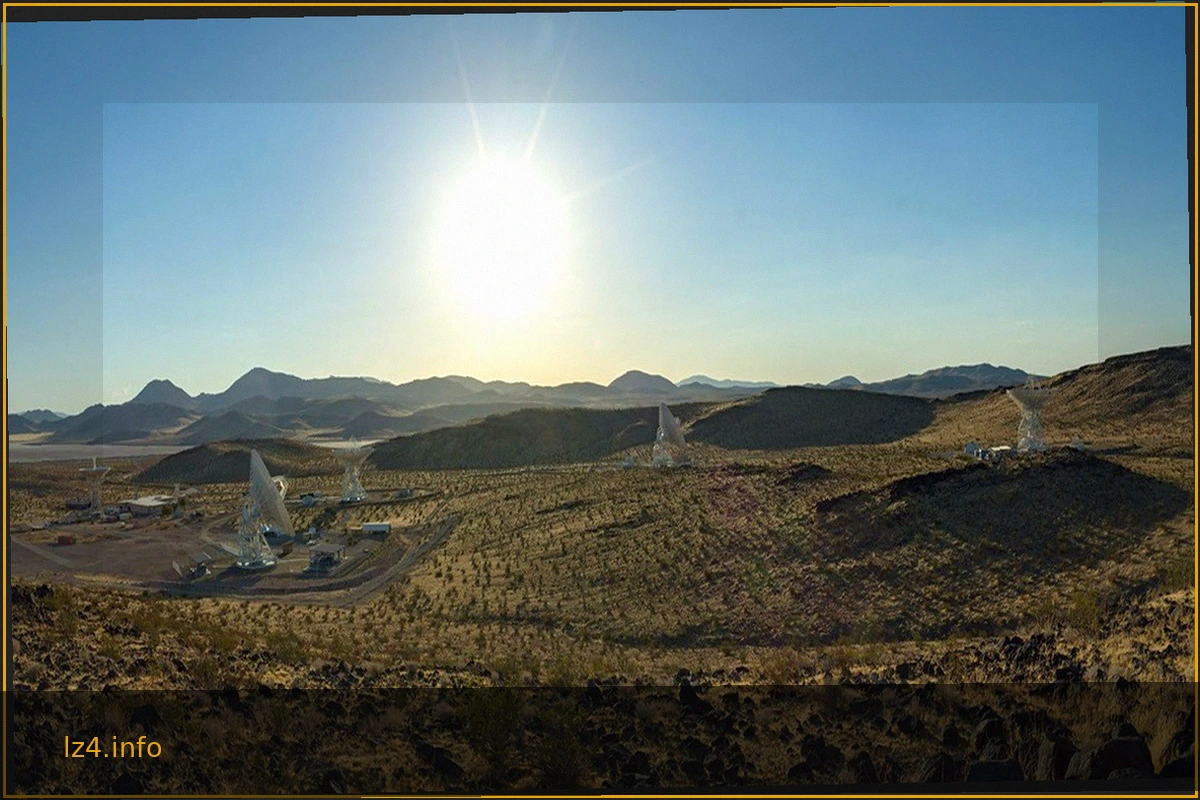
Panorama Showcasing the 34-Meter Antennas of the DSN’s Goldstone Complex
The expansive desert landscape of NASA's Deep Space Network (DSN) Goldstone complex in California is highlighted, featuring several imposing 34-meter (114-foot) satellite dishes. These powerful antennas are crucial for communicating with spacecraft across the vastness of space. Among them is t
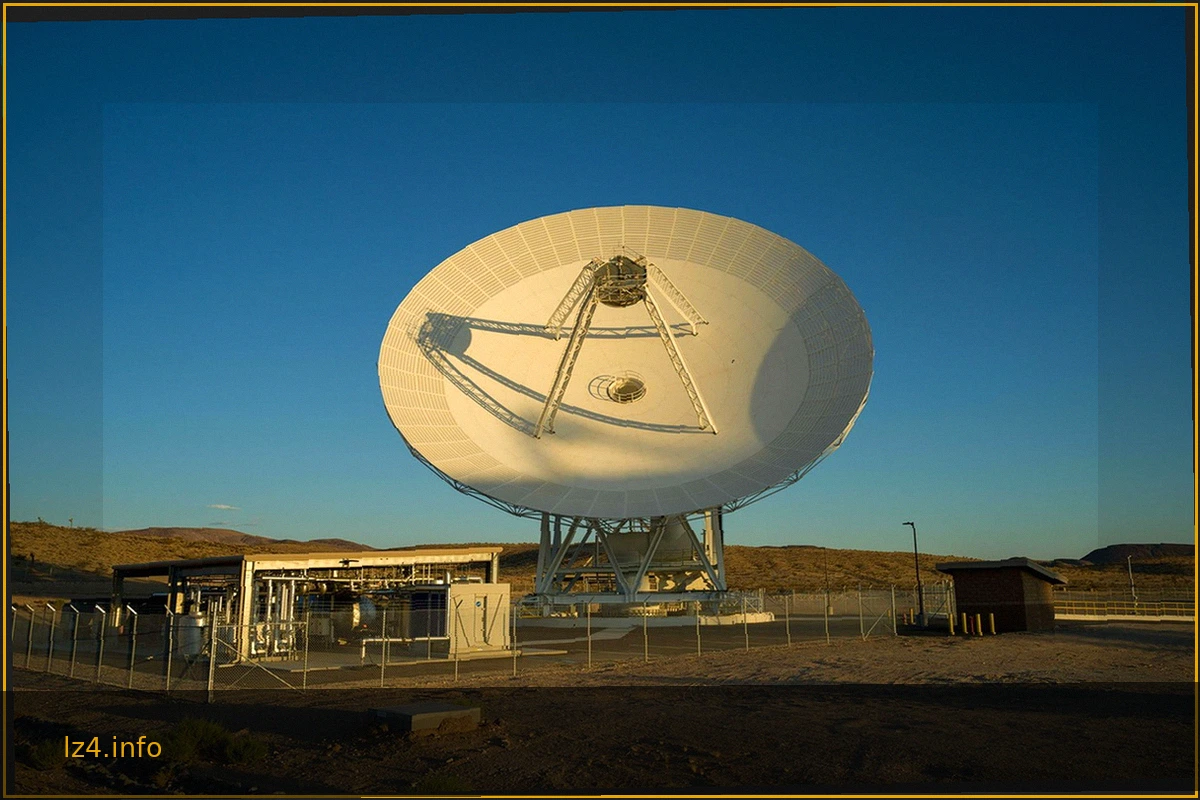
NASA Deep Space Network's New Goldstone Antenna Becomes Operational
The Deep Space Network's (DSN) Goldstone complex, located near Barstow, California, has activated its latest antenna, Deep Space Station 23 (DSS-23). This significant addition is a 34-meter (114-foot) multifrequency beam-waveguide antenna, designed to bolster the DSN's capacity and dramaticall
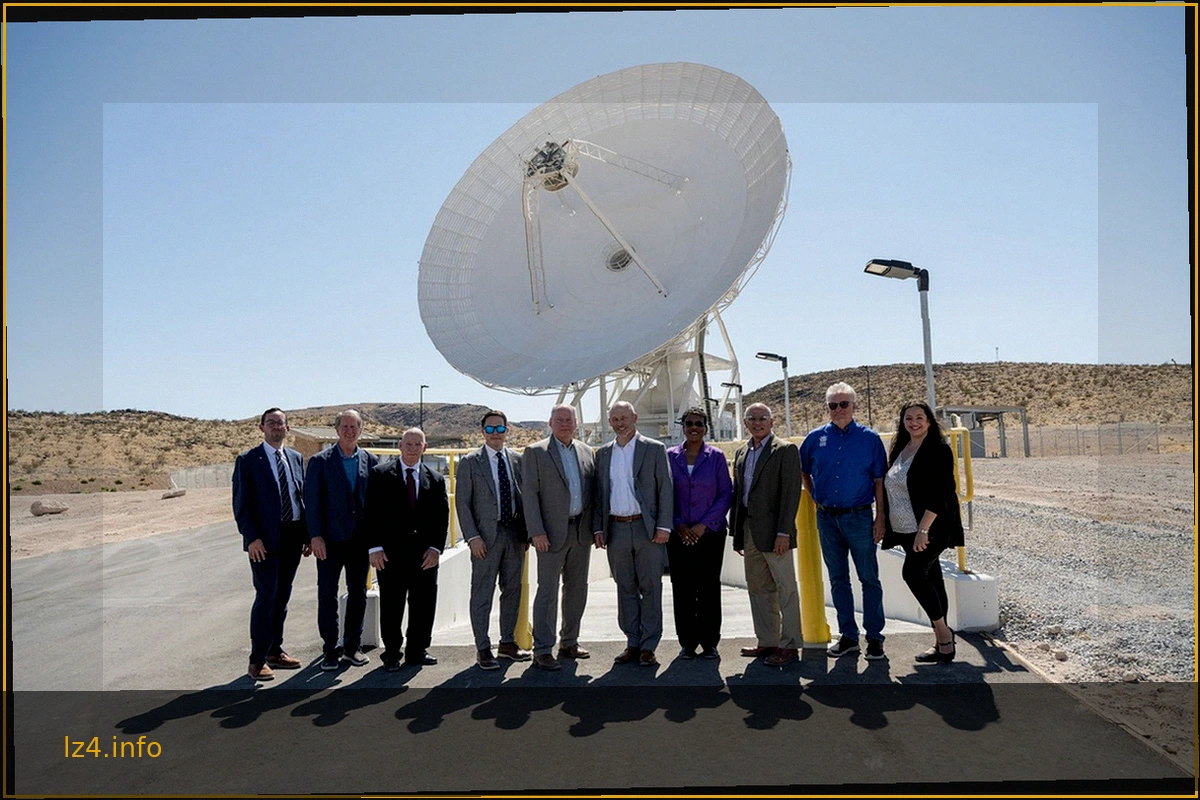
NASA Deep Space Network: Inauguration of Deep Space Station 23
The Jet Propulsion Laboratory (JPL) and the Deep Space Network (DSN) celebrated a significant milestone with the official ribbon-cutting ceremony for Deep Space Station 23 (DSS-23). This event, held on August 25, 2026, at the Goldstone complex near Barstow, California, marked the completion of

President Honors Artemis II Crew with Congressional Space Medal of Honor
President Donald J. Trump presented the Congressional Space Medal of Honor to NASA astronauts Reid Wiseman, Victor Glover, Christina Koch, and Canadian Space Agency astronaut Jeremy Hansen. This high honor was bestowed upon them for their exceptional service during the Artemis II mission. The
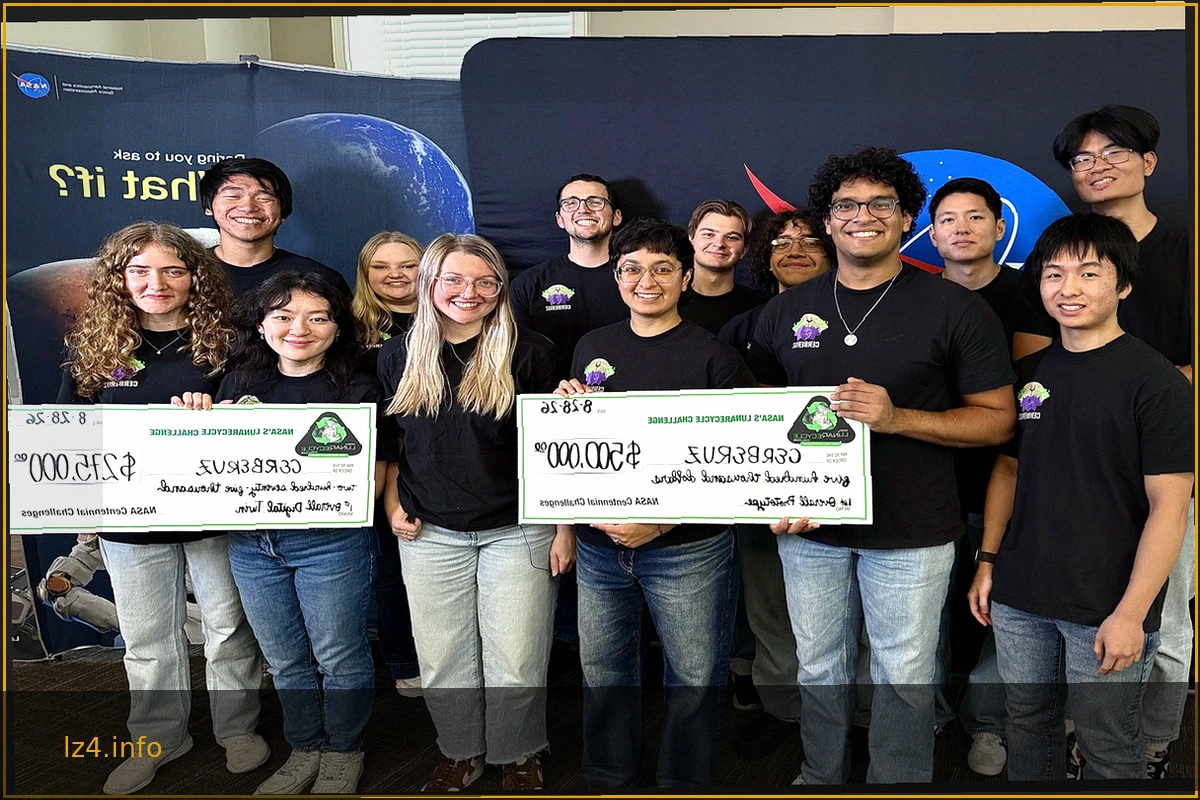
MIT Team Secures Top Honors in NASA's LunaRecycle Challenge for Advanced Space Waste Recycling
NASA has announced the Massachusetts Institute of Technology (MIT) team as the grand prize winner of Phase 2 of its LunaRecycle Challenge. This initiative aims to develop innovative solutions for reducing waste during space missions by recycling common materials such as fabrics, plastics, foam
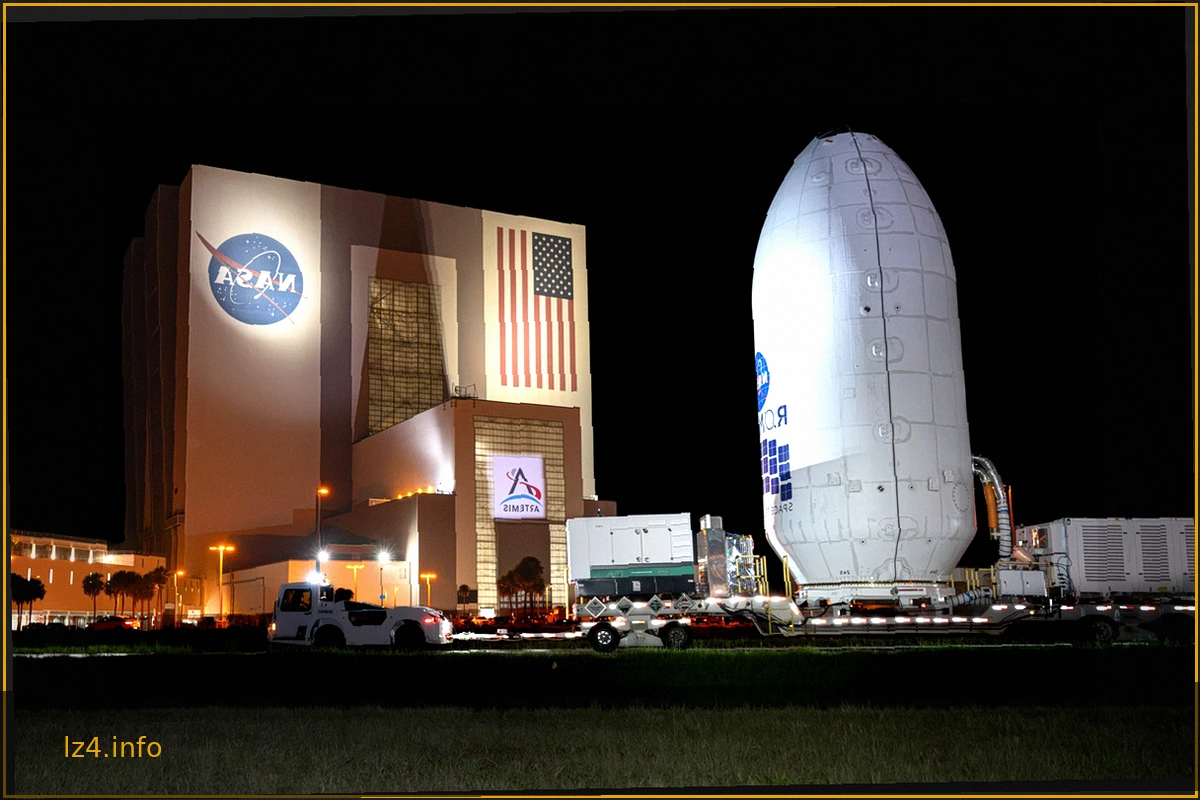
Nancy Grace Roman Space Telescope Moves to SpaceX Hangar for Launch Preparation
The Nancy Grace Roman Space Telescope, a groundbreaking observatory designed to unravel the mysteries of dark energy and dark matter, has reached a significant milestone. Encased within its protective payload fairing, the telescope was transported from NASA's Payload Hazardous Servicing Facili