Ben Askren Disapproves of Charles Oliveira's BMF Title Victory Strategy
Despite his own illustrious career in wrestling, Ben Askren was far from impressed with Charles Oliveira's dominant grappling display during his BMF title encounter against Max Holloway at UFC 326. The former collegiate standout expressed his opinion, labeling the performance as "terribly boring."
'Funky' Ben Askren carved out an exceptional legacy as a collegiate wrestler for the Missouri Tigers, boasting a remarkable 155-8 record and clinching two NCAA Division I championships. His relentless style, technical prowess, and consistent success firmly establish him among the pantheon of top NCAA wrestlers. Given his profound understanding of the sport, one might assume Askren would praise Oliveira's grappling-centric approach. However, Askren has instead joined the growing number of voices criticizing Oliveira's strategy.
"This is going to be wild coming from me. Real wild," Askren stated, acknowledging the irony of his stance. He went on to propose radical alterations for BMF title bouts. "What if they did a three-takedown maximum on BMF title fights? Three takedown maximum, or you only get a minute on top to this effect... No, [I didn't like the fight]; it was boring. Terribly boring."
Askren further elaborated on his disappointment, noting that for a BMF fight, the approach felt out of place. He likened it to the Khamzat Chimaev fight, observing that Oliveira "didn't take chances on top. He wasn't really aggressive with it," despite his positional advantage.
Questioning Oliveira's consistent preference for takedowns, even when he appeared to be gaining an edge in striking, Askren offered a compelling theory. "He was winning the striking," Askren conceded, "But was he? This is why I did okay in striking in MMA: Was he winning the striking because the other guy was scared of the takedown? Like, that's definitely a possibility because Max Holloway had zero ability to get up... [spending] extensive time on bottom. It was something crazy."
Fresh materials — MMA
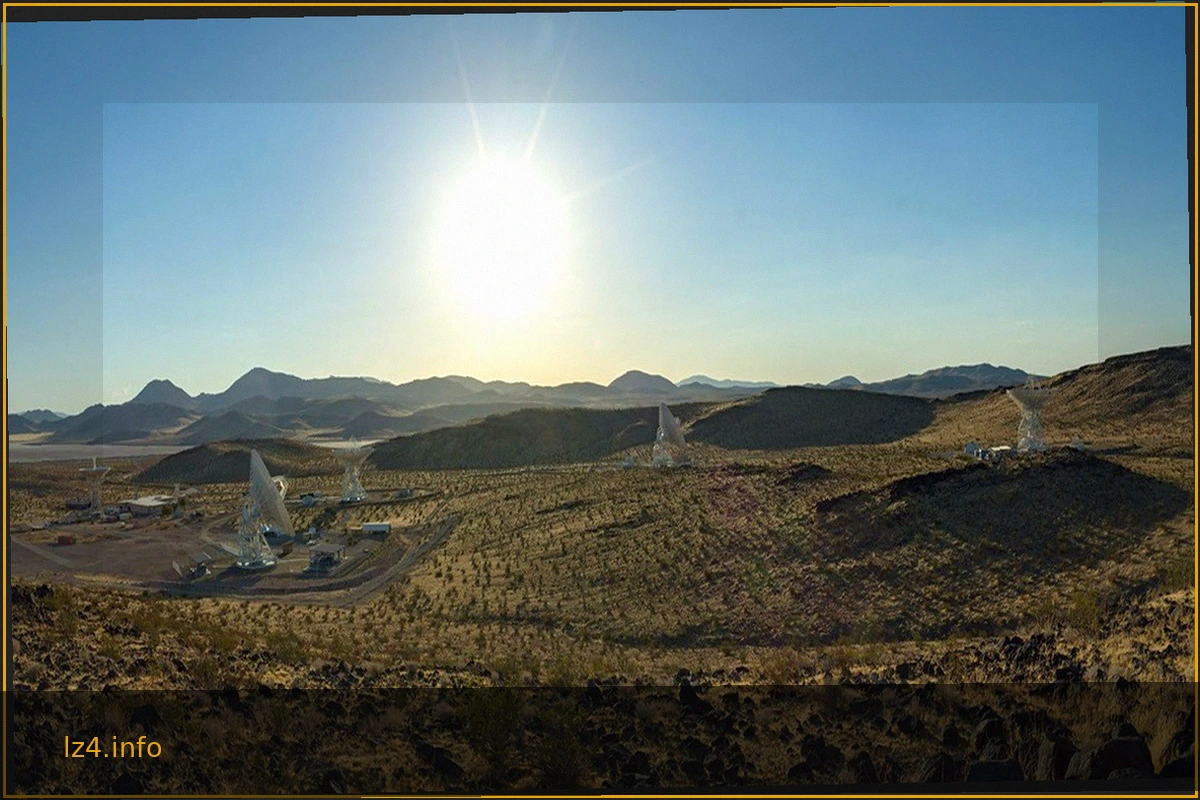
Panorama Showcasing the 34-Meter Antennas of the DSN’s Goldstone Complex
The expansive desert landscape of NASA's Deep Space Network (DSN) Goldstone complex in California is highlighted, featuring several imposing 34-meter (114-foot) satellite dishes. These powerful antennas are crucial for communicating with spacecraft across the vastness of space. Among them is t
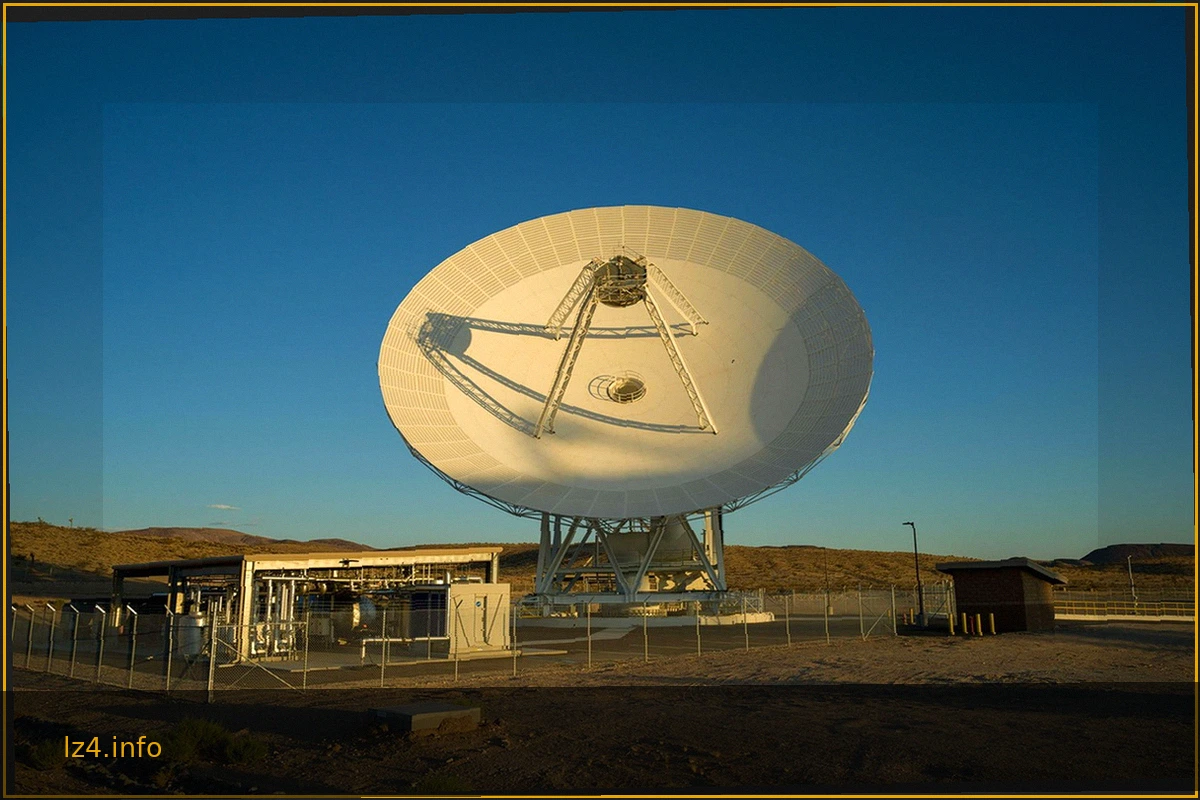
NASA Deep Space Network's New Goldstone Antenna Becomes Operational
The Deep Space Network's (DSN) Goldstone complex, located near Barstow, California, has activated its latest antenna, Deep Space Station 23 (DSS-23). This significant addition is a 34-meter (114-foot) multifrequency beam-waveguide antenna, designed to bolster the DSN's capacity and dramaticall
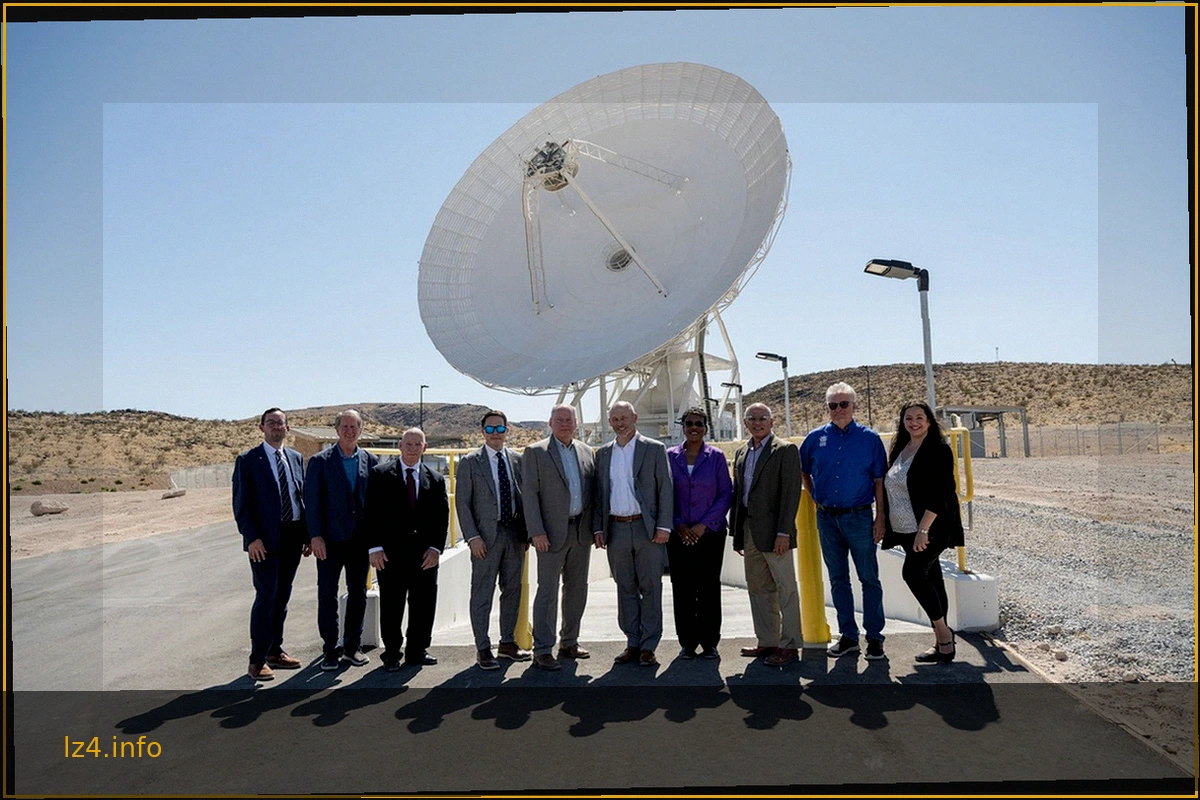
NASA Deep Space Network: Inauguration of Deep Space Station 23
The Jet Propulsion Laboratory (JPL) and the Deep Space Network (DSN) celebrated a significant milestone with the official ribbon-cutting ceremony for Deep Space Station 23 (DSS-23). This event, held on August 25, 2026, at the Goldstone complex near Barstow, California, marked the completion of
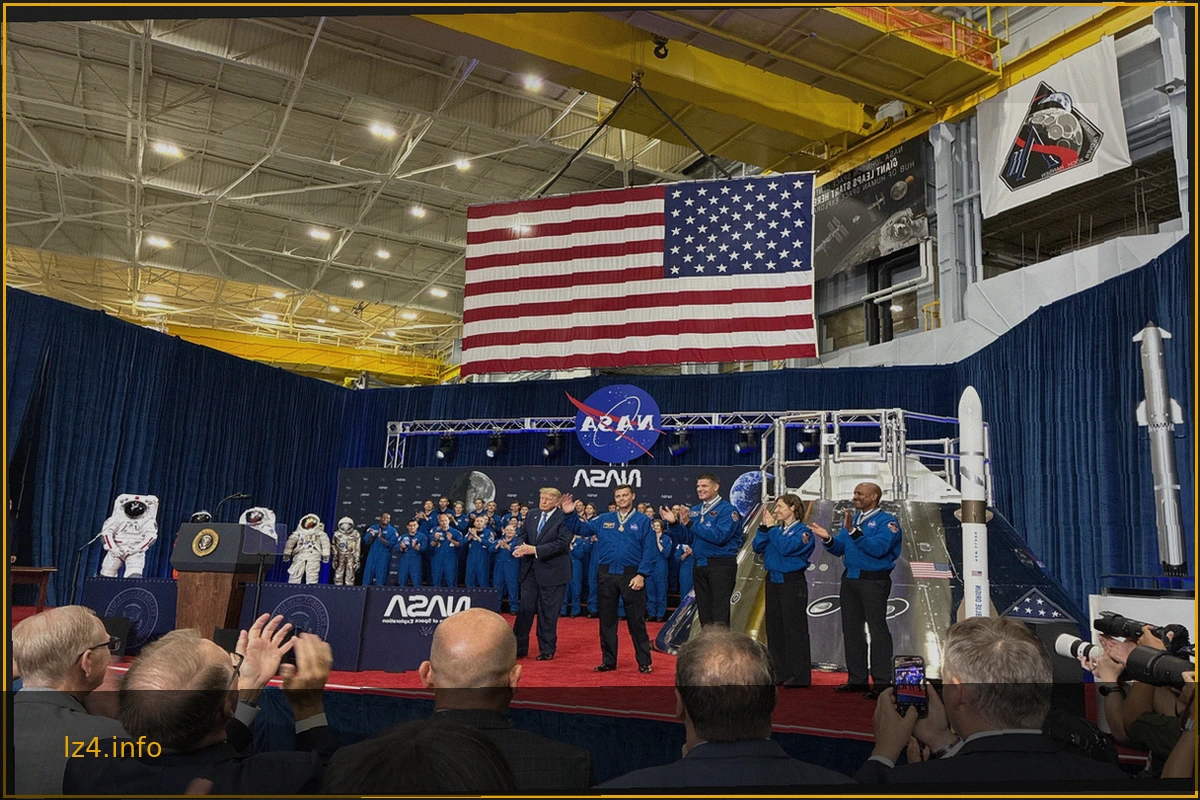
President Honors Artemis II Crew with Congressional Space Medal of Honor
President Donald J. Trump presented the Congressional Space Medal of Honor to NASA astronauts Reid Wiseman, Victor Glover, Christina Koch, and Canadian Space Agency astronaut Jeremy Hansen. This high honor was bestowed upon them for their exceptional service during the Artemis II mission. The
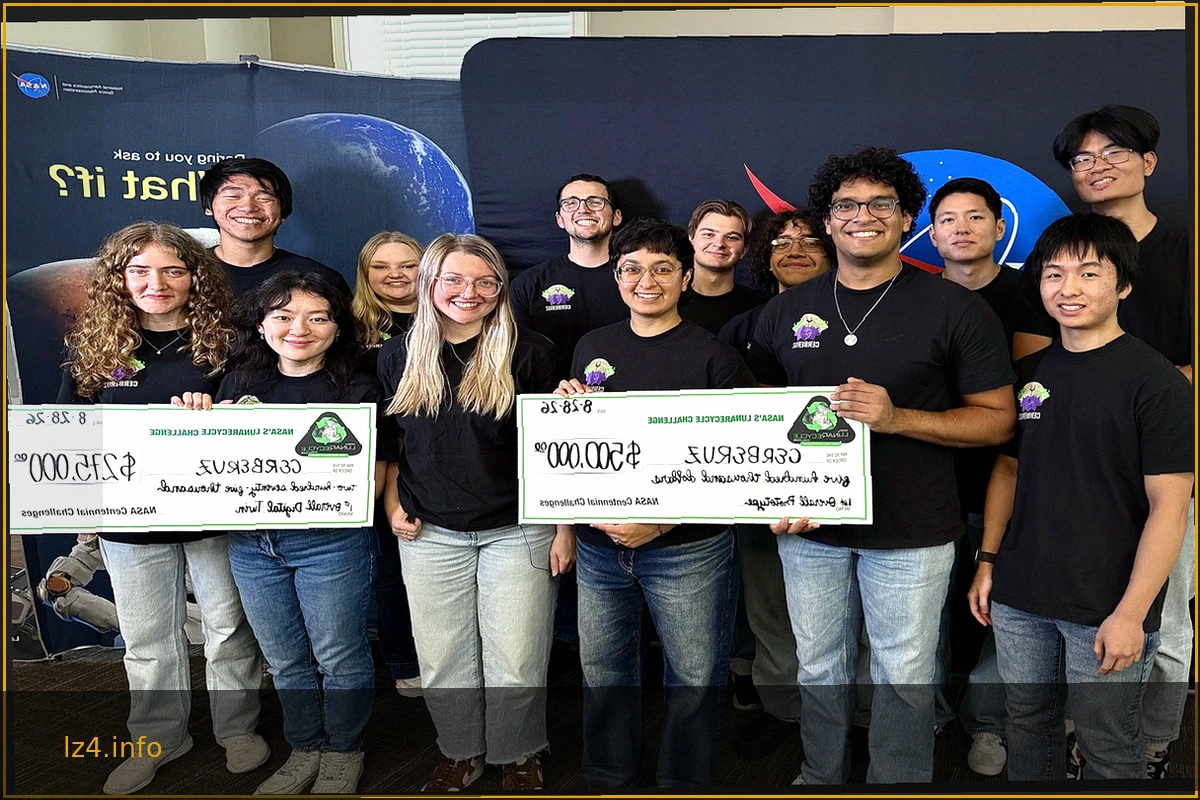
MIT Team Secures Top Honors in NASA's LunaRecycle Challenge for Advanced Space Waste Recycling
NASA has announced the Massachusetts Institute of Technology (MIT) team as the grand prize winner of Phase 2 of its LunaRecycle Challenge. This initiative aims to develop innovative solutions for reducing waste during space missions by recycling common materials such as fabrics, plastics, foam
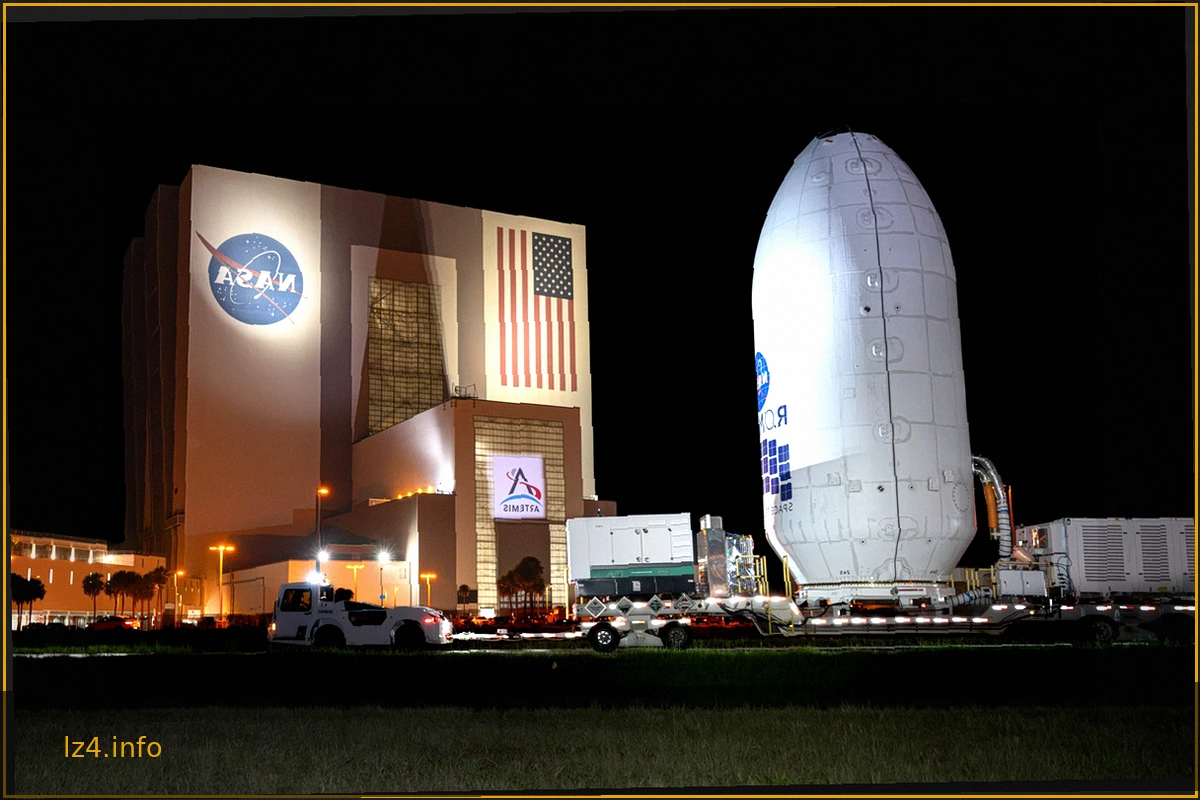
Nancy Grace Roman Space Telescope Moves to SpaceX Hangar for Launch Preparation
The Nancy Grace Roman Space Telescope, a groundbreaking observatory designed to unravel the mysteries of dark energy and dark matter, has reached a significant milestone. Encased within its protective payload fairing, the telescope was transported from NASA's Payload Hazardous Servicing Facili