Crimson Desert Developers Respond to AI Accusations, But Players Remain Skeptical
Pearl Abyss's new game, Crimson Desert, has faced various controversies even before its official launch. Issues with console versions and the use of the Denuvo DRM system on PC had already caused discontent within the gaming community. However, a more recent and significant scandal has emerged
Pearl Abyss's new game, Crimson Desert, has faced various controversies even before its official launch. Issues with console versions and the use of the Denuvo DRM system on PC had already caused discontent within the gaming community. However, a more recent and significant scandal has emerged: players allege they have discovered images within the game that clearly show signs of having been generated by artificial intelligence.
An example of such an image, displayed below, exhibits numerous errors that strongly suggest AI generation. This situation became particularly problematic as the game's Steam page initially lacked any disclosure regarding the use of AI-generated assets. Such information was only added after the controversy gained traction.

Shortly after these accusations surfaced, developer Pearl Abyss issued a statement acknowledging the "unintentional" inclusion of AI-generated images in the game and offered an apology to players. The official statement, posted on the game's official Twitter account, detailed their position:
We would like to address questions regarding the use of AI in Crimson Desert.
During development, some 2D visual props were created as part of early-stage iteration using experimental AI generative tools. These assets helped us rapidly explore tone and atmosphere in the earlier phases of production. However, our intention was always to replace these assets with material that aligns with our quality standards and creative direction.
Upon receiving reports from our community, we identified that some of these assets were unintentionally included in the final version. This does not align with our internal standards, and we take full responsibility.
We also acknowledge that we should have clearly communicated the use of AI. While these tools were primarily used during initial production, with the expectation that these assets would be replaced before launch, we recognize that this does not justify the lack of transparency.
We sincerely apologize for these oversights.
We are currently conducting a comprehensive audit of all in-game assets and are taking steps to replace the affected content. Updated assets will be implemented in upcoming patches. We are also reviewing our internal processes to ensure greater transparency and consistency in how we communicate with players in the future.
In summary, Pearl Abyss explained that while AI-generated images were indeed present in Crimson Desert, they were intended to be temporary placeholders and were mistakenly included in the final release. The studio has pledged to replace these assets in future game patches.
This incident mirrors previous controversies surrounding other titles, such as The Alters and Clair Obscur: Expedition 33, which also faced backlash for AI-generated content and subsequently had to issue apologies and replace assets post-launch. *Clair Obscur: Expedition 33* even had an award rescinded due to this issue.
Despite Pearl Abyss's explanation and apology, a significant portion of the player base remains unconvinced by their excuses. Responses and quotes on social media platforms, including the original tweet and reports from outlets like Wario64 on BlueSky, indicate a widespread belief that the AI elements were intentionally included, with developers hoping they would go unnoticed.
Professional game developers have also voiced criticism regarding the practice of using AI-generated elements as 'placeholders' in games. They argue that temporary assets should be overtly distinguishable to ensure they are easily identified and replaced. Josh Sawyer of Bethesda provided excellent examples of the clearly temporary art used in Pentiment via BlueSky, illustrating this point:
Placeholder assets in a game should look obnoxiously temporary, so obvious that no one would mistake it for the final asset. In past games we've used the doge dog (rip) as an icon, hot pink versions of characters, our CEO's head, etc. If you use a temp asset that seems passable, it may stay there.
What are your thoughts on this situation? Do you believe the Crimson Desert developers genuinely made an oversight, or do you suspect they hoped the AI-generated images would go unnoticed? Many suggest the best approach for developers is to simply resist the temptation and avoid using AI in game development altogether.
Crimson Desert is available on PlayStation 5, Xbox Series X|S, Mac, and PC via Steam and Epic Games Store.
Fresh materials — Esports
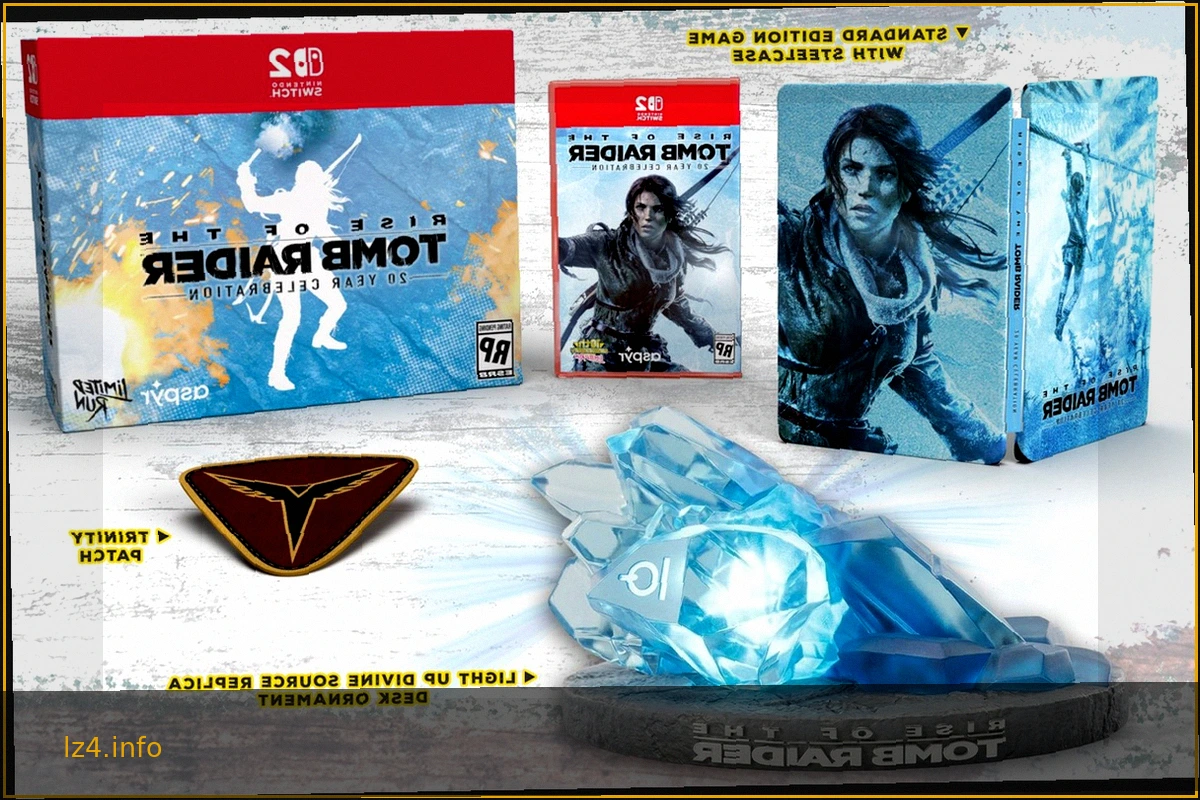
Rise of the Tomb Raider Collector's Edition for Switch 2: A Disappointing Physical Release
Limited Run Games has announced a physical edition of Rise of the Tomb Raider for the Nintendo Switch 2. This cartridge release includes a standard edition for $50 USD and a collector's edition for $100 USD. The collector's edition features a steelbook case, a Trinity patch, and a light-up desk
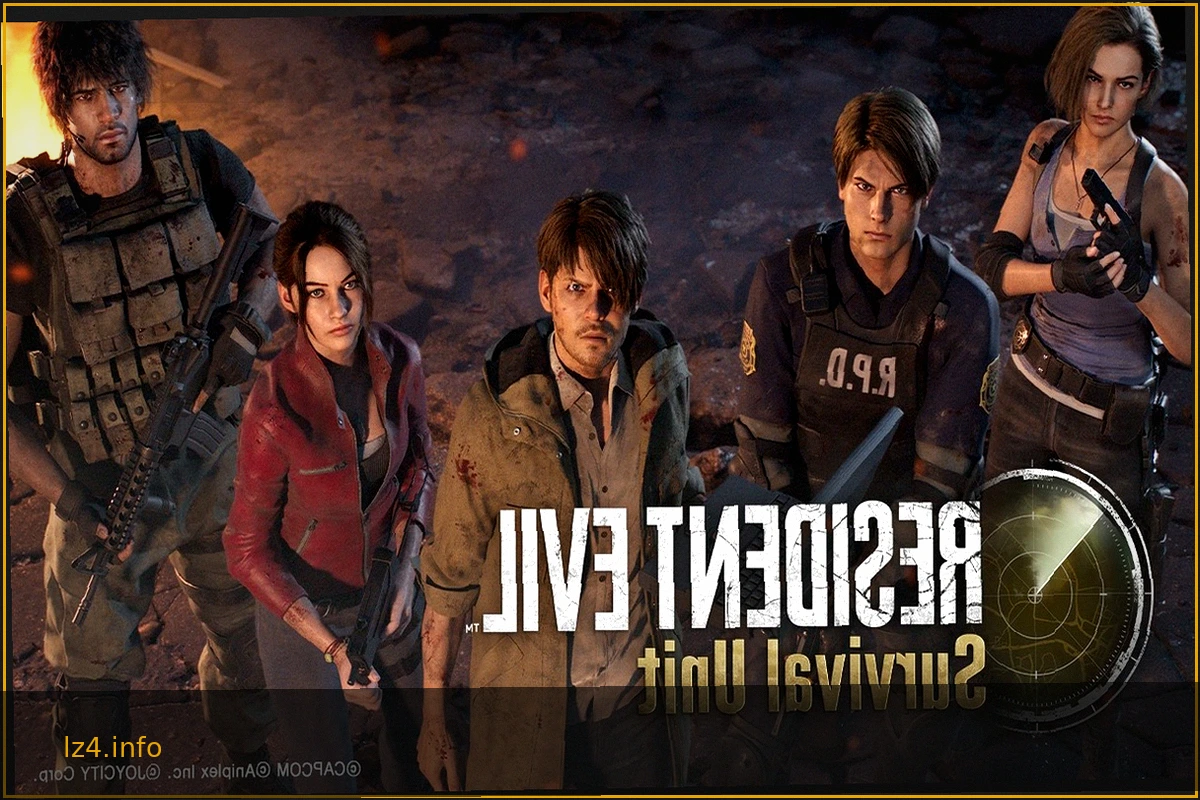
Resident Evil Survival Unit: Active Promo Codes October 2026
Resident Evil Survival Unit, a mobile game from Capcom's survival horror franchise released in September 2025, offers promotional codes for player benefits, similar to experiences in Roblox or games like JoJo’s Bizarre Adventure Golden Spirit. To aid players in their missions, especially newco
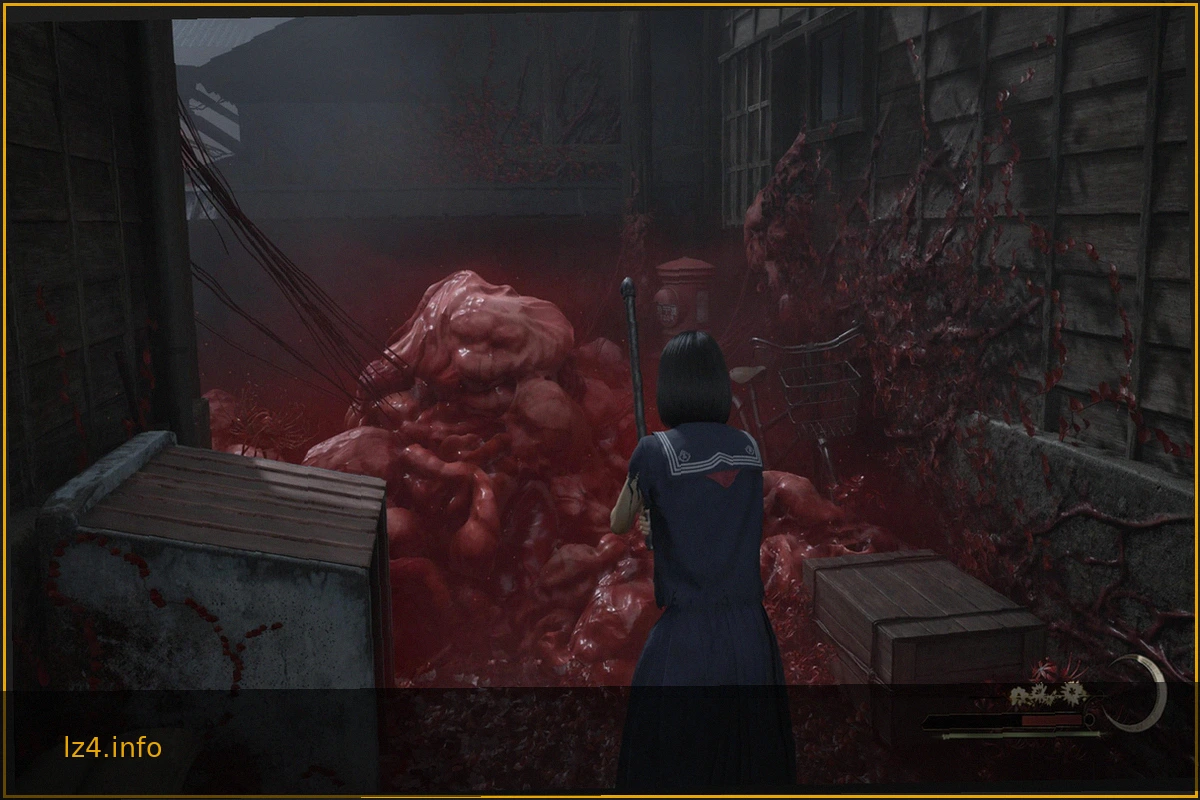
Silent Hill f Art Book Showcases Beauty in Horror
Konami announced the official art book for Silent Hill f, slated for release in Japan on December 7, 2026. The book is priced at 4180 yen (approximately $26.50 USD). Whether this publication will be released globally remains unknown. For now, fans may need to rely on international import sites
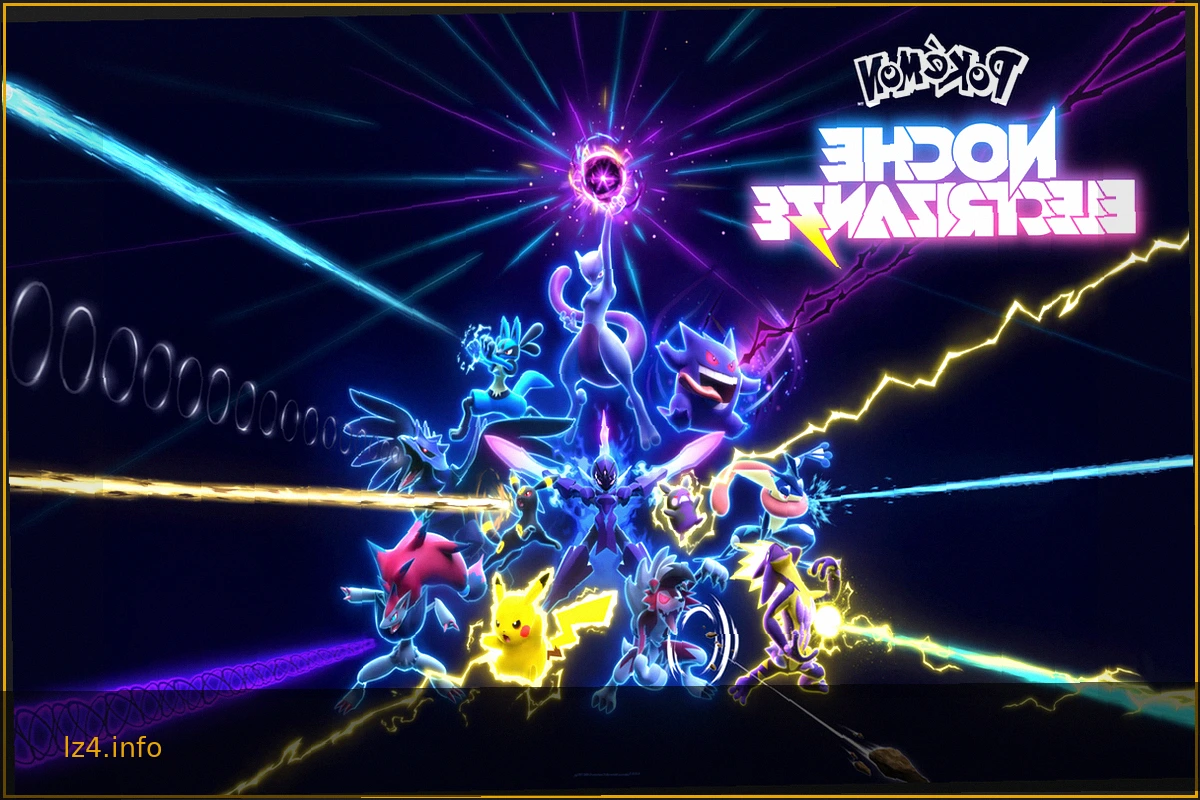
Pokémon Electrifying Night: Los Angeles Music Event to Stream Live on Twitch & YouTube
For the first time, the world of Pokémon merges with electronic music at Pokémon Electrifying Night, a live concert happening in Los Angeles on Saturday, October 24, 2026. Trainers worldwide can tune into the official Pokémon channels on YouTube and Twitch to watch the live broadcast and join
Signal Veil: Chilean Studio Time Hunters Reveals New Survival Horror Title
Seraphini Productions, known for the Broken Lore horror game series, has teamed up with Chilean indie studio Time Hunters to develop a new survival horror game called Signal Veil. The game features an anime aesthetic and puts players in control of Aki, a teenager who begins experiencing s

Peacock Greenlights Toretto-Produced Series Ahead of Fast & Furious 11
While waiting for Fast & Furious 11, Peacock has given the official go-ahead to a new series. This show is slated for release in 2028, the same year the franchise's final film is set to debut. Vin Diesel is attached as an executive producer. Diesel stated that the studio recognized fans'