Beast of Reincarnation Review (PS5)
The announcement of Beast of Reincarnation was met with surprise, not necessarily because of the game itself, but due to the developer, Game Freak, known primarily for the Pokémon series. Typically, their non-Pokémon titles are smaller in scope with simpler visuals. Therefore, a realistic-looking, story-driven AAA game from them was unexpected. This naturally led to questions about its quality and whether it could truly step out of Pikachu's shadow. Let's find out.
Set 2000 years in the future, humanity has been decimated by a plague known as "the impurity." Many humans chose to abandon their organic bodies, transferring their souls into technological golems to escape it. Adding to this despair, a powerful entity called the Beast of Reincarnation emerges every century, bent on destroying the remnants of civilization. Players control Emma, an "impure" individual capable of absorbing the plague from affected beings, chosen to finally put an end to the Beast.
Beast of Reincarnation is an action RPG with open-world elements, though it unfolds across distinct, semi-open maps that serve as levels. Upon completing a map and defeating its boss, players progress to the next, but can revisit earlier areas to discover missed collectibles and secrets. Combat heavily emphasizes parrying (blocking enemy attacks just before impact) and draws inspiration from "souls-like" titles, yet it's more forgiving. For instance, death incurs no penalty, and there's no need to retrieve lost items.
Combat stands out as the game's strongest feature. The parry system is incredibly satisfying and well-integrated into the flow of battles. Successfully executing parries fills a skill bar for your companion, Kuu, allowing you to slow down time and issue commands for her attacks, reminiscent of Pokémon—a clear sign of Game Freak's roots. The diverse abilities unlocked after defeating bosses and their strategic application in fights make encounters exciting and enjoyable.
However, other elements feel underdeveloped. Despite a focus on varied sword skills, equipment for Kuu, and passive-granting spirit stones, these aspects lack the depth needed to truly enable player-crafted "builds." In practice, identifying an enemy's elemental weakness or status vulnerability and equipping the corresponding sword and Kuu abilities is sufficient. This lack of deeper strategic planning can become tedious. A stealth system is also present but feels superficial and tacked on, as if included merely to conform to popular game design trends.
Exploration is a mixed bag. The initial map of Beast of Reincarnation is excellent, offering a sprawling area with intriguing locations that beckon players off the main path. Sadly, as the game progresses, most levels become excessively linear, with obvious deviations leading to collectibles and secrets. While some areas are more engaging than others, the majority of the time involves simply moving towards the objective, with only occasional glances toward the sides for hidden items.
This linearity was somewhat disappointing, but the game's narrative is the bigger issue. Beast of Reincarnation feels highly derivative, immediately evoking comparisons to other well-known titles. Its post-apocalyptic world, contrasting overgrown ruins with advanced technology, lacks originality when compared to games like Horizon Zero Dawn, Nier Automata, and Stellar Blade. Even Code Vein II, released earlier in the year, shares significant aesthetic and tonal similarities. Like many recent games, it touches upon themes of climate crisis, the COVID-19 pandemic, and technological reliance. While these ideas are present, their development is painstakingly slow, and they have been explored more effectively in other games.
It's frustrating how characters obviously hide secrets from the protagonist, yet their dialogue is so obtuse that it hinders organic mystery development. Players can go up to 20 hours without a genuine clue about the unfolding events, offering no real intrigue beyond the initial premise of a past catastrophe. This prolonged period is filled with shallow reflections on human will, the soul, and emotions, delivered through slow and dull dialogue.
The dialogue is weak, but the voice acting is even worse. Although the game is localized into Spanish, the voiceovers are only available in English and Japanese. Neither is particularly strong. Emma's monotonous delivery, intended to convey her lack of emotion, is instead unbearable. Her companion, Kagura, also suffers from irritating vocal performances in both languages.
Ironically, the most enjoyable voice acting comes from Kuu, the dog. His barks and growls are surprisingly expressive and natural. Kuu quickly endears himself to the player, proving extremely useful in combat. The interactions between Kuu and the stoic Emma provide some of the few genuinely enjoyable narrative moments. Despite its many flaws, Kuu is not one of them.
This review has been largely negative, but there are positive aspects. The designs of the corrupted enemies—hybrids of animals and plants—are excellent, sometimes capturing a disturbing sense of body horror. The bosses are particularly impressive, often entering a second, more monstrous phase. The environments also stand out, featuring massive idols that can only be described as "robotic Buddhas," creating a strong atmosphere. This fusion of religious iconography with high technology is a recurring aesthetic appeal.
However, even these strengths are marred by repetition. Bosses and environments eventually become repetitive. The shift from ruined forests to desert ruins near the end offers little visual variety. The initial awe inspired by colossal religious icons or unnaturally large trees quickly fades after repeated exposure. Even the beautiful vocal music, clearly inspired by Keiichi Okabe's work on Nier, becomes monotonous over time.
To add insult to injury, the game suffers from performance issues, at least on a base PlayStation 5. Players will experience frequent frame rate drops, the camera can become unwieldy in crowded fights, and Emma's platforming controls are less than ideal.
Beast of Reincarnation is not a bad game. Its combat system and some aesthetic elements make it good. However, it falls short of being great. Its best ideas are underutilized, its world feels derivative, its narrative pacing is poor, and it eventually succumbs to repetition. While many players will likely cherish Emma and Kuu's relationship and enjoy the battles against golems and creatures, these experiences have been done before, and better.
Game Freak's attempt is commendable, but they need to further hone their skills in developing large-scale games. With continued effort, they may produce a true masterpiece in the future, but this is not it.
Review of Beast of Reincarnation based on a digital copy for PlayStation 5 provided by Fictions. The game is also available for Xbox Series X|S and PC via Steam.
Fresh materials — Esports
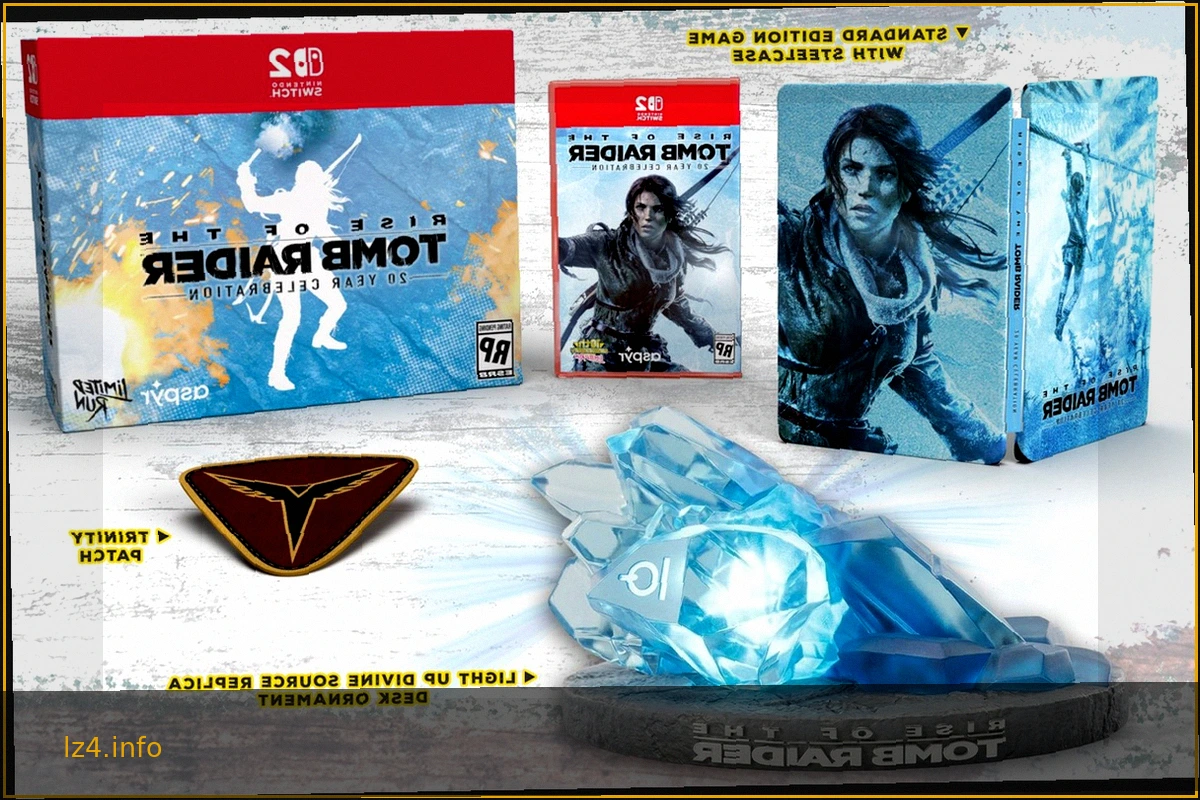
Rise of the Tomb Raider Collector's Edition for Switch 2: A Disappointing Physical Release
Limited Run Games has announced a physical edition of Rise of the Tomb Raider for the Nintendo Switch 2. This cartridge release includes a standard edition for $50 USD and a collector's edition for $100 USD. The collector's edition features a steelbook case, a Trinity patch, and a light-up desk
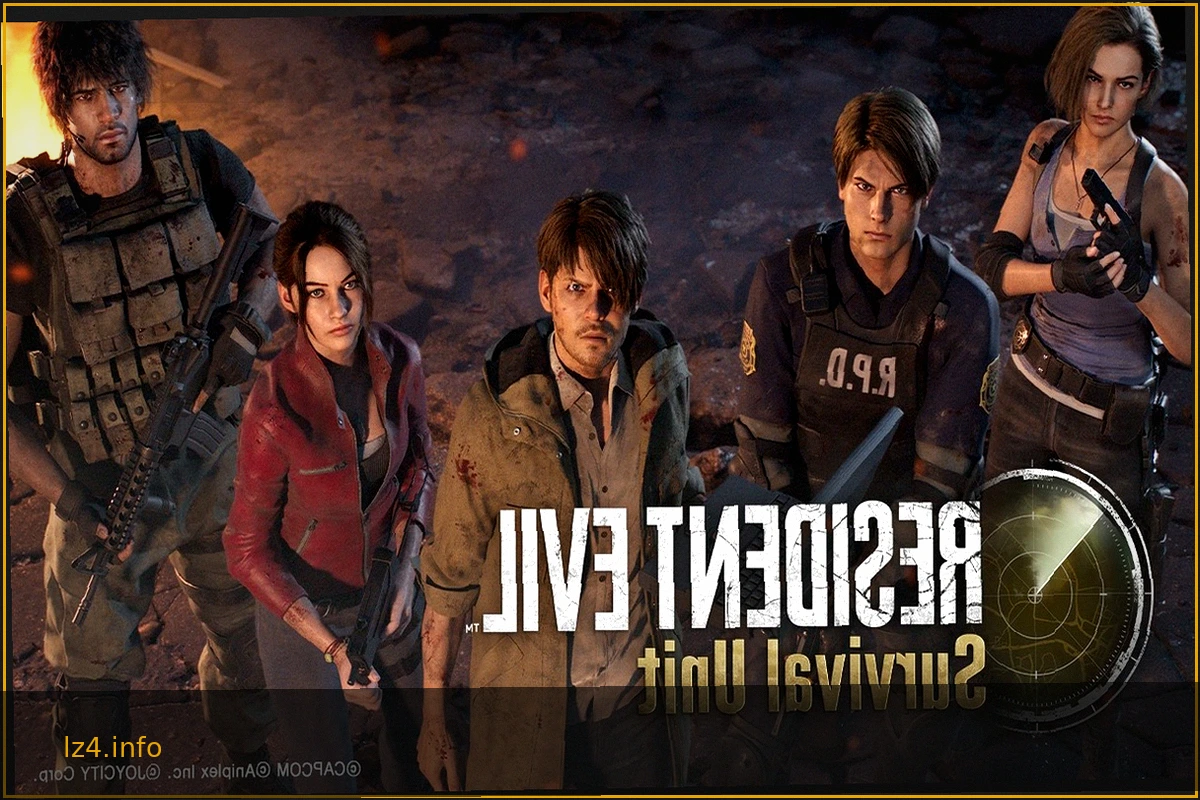
Resident Evil Survival Unit: Active Promo Codes October 2026
Resident Evil Survival Unit, a mobile game from Capcom's survival horror franchise released in September 2025, offers promotional codes for player benefits, similar to experiences in Roblox or games like JoJo’s Bizarre Adventure Golden Spirit. To aid players in their missions, especially newco
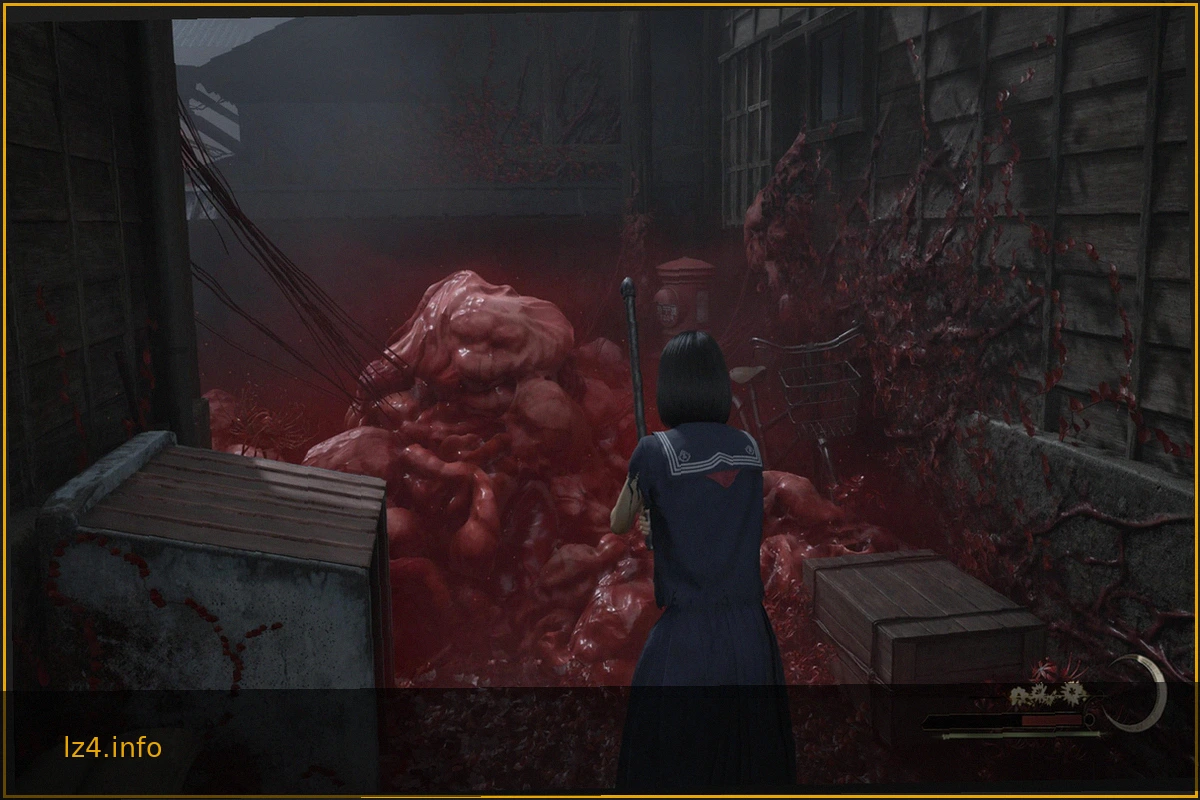
Silent Hill f Art Book Showcases Beauty in Horror
Konami announced the official art book for Silent Hill f, slated for release in Japan on December 7, 2026. The book is priced at 4180 yen (approximately $26.50 USD). Whether this publication will be released globally remains unknown. For now, fans may need to rely on international import sites
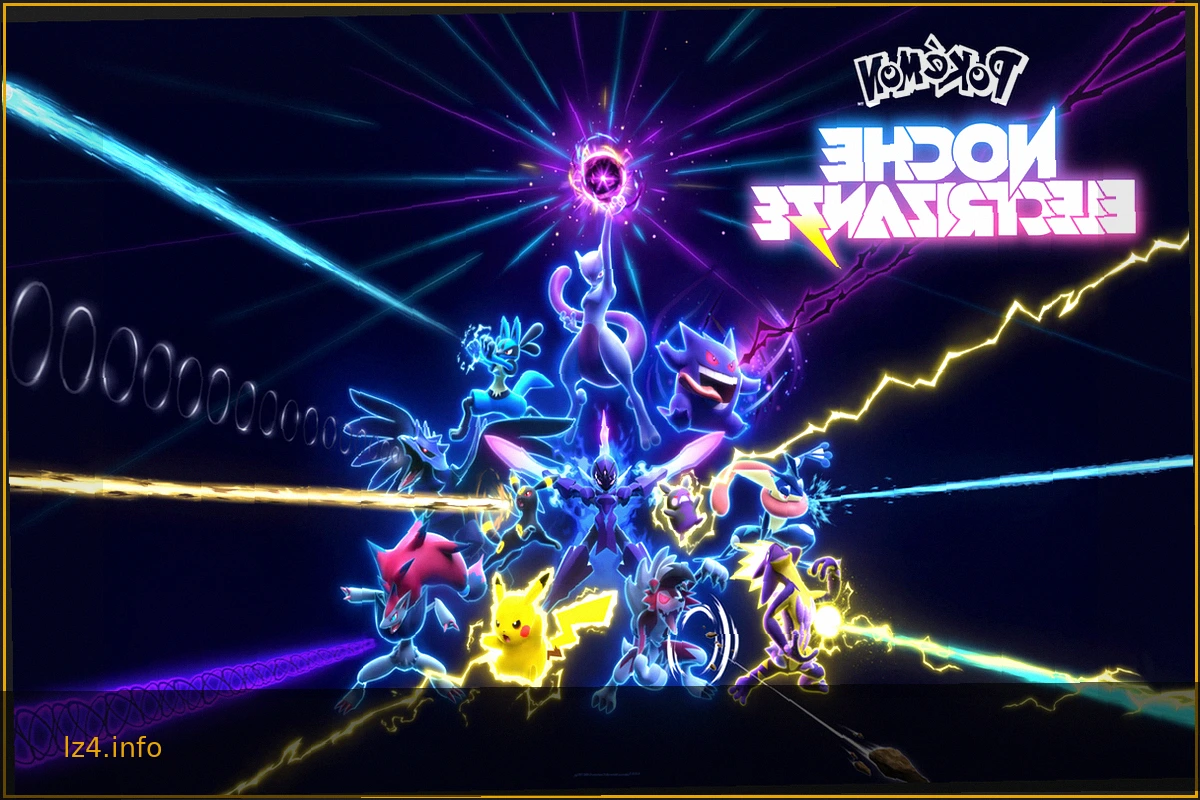
Pokémon Electrifying Night: Los Angeles Music Event to Stream Live on Twitch & YouTube
For the first time, the world of Pokémon merges with electronic music at Pokémon Electrifying Night, a live concert happening in Los Angeles on Saturday, October 24, 2026. Trainers worldwide can tune into the official Pokémon channels on YouTube and Twitch to watch the live broadcast and join
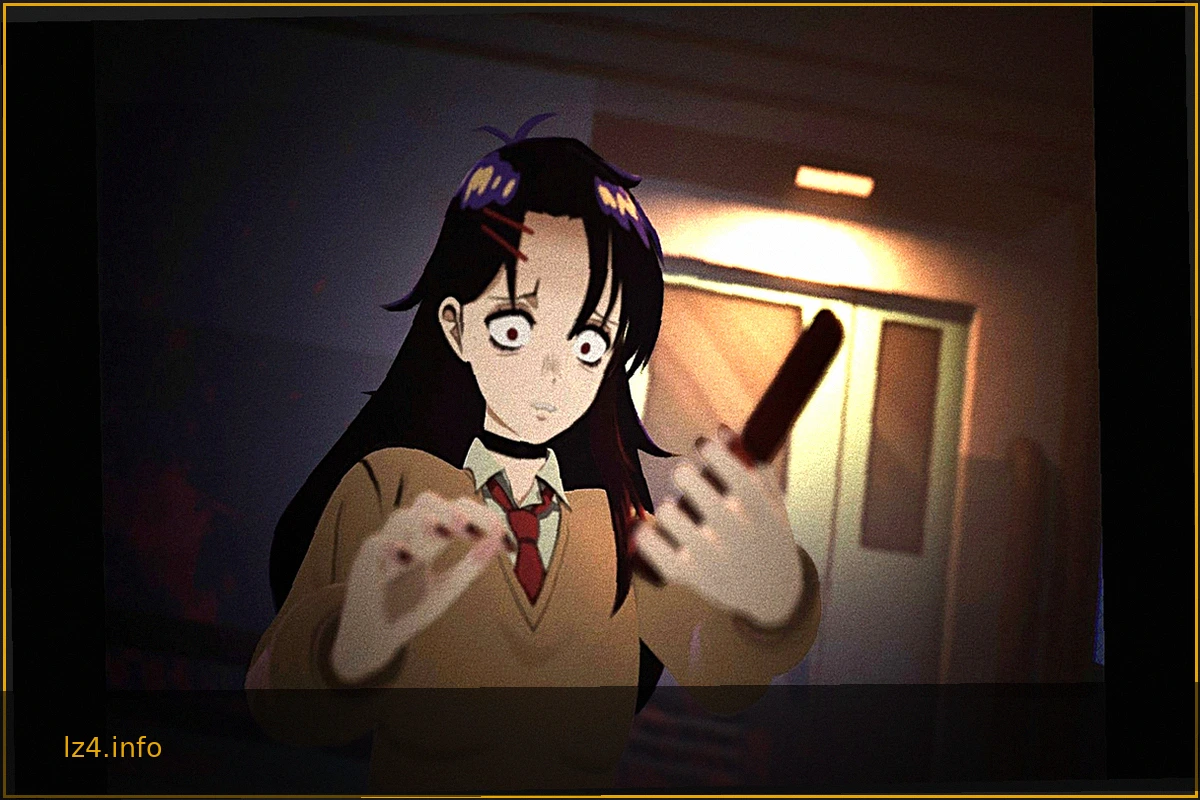
Signal Veil: Chilean Studio Time Hunters Reveals New Survival Horror Title
Seraphini Productions, known for the Broken Lore horror game series, has teamed up with Chilean indie studio Time Hunters to develop a new survival horror game called Signal Veil. The game features an anime aesthetic and puts players in control of Aki, a teenager who begins experiencing s

Peacock Greenlights Toretto-Produced Series Ahead of Fast & Furious 11
While waiting for Fast & Furious 11, Peacock has given the official go-ahead to a new series. This show is slated for release in 2028, the same year the franchise's final film is set to debut. Vin Diesel is attached as an executive producer. Diesel stated that the studio recognized fans'