Real Madrid Players Partially Obscure Ceuta Support Message, Sparking Debate
Before the Elche-Real Madrid match on Tuesday evening in La Liga, players from both teams wore t-shirts expressing support for Ceuta and its residents amidst a major migration crisis. However, Kylian Mbappé, Vinicius, and Ibrahima Konaté partially concealed the slogan "We are all Ceutans" on their jerseys.
On Tuesday evening, Real Madrid played away against Elche for the sixth round of La Liga. Before kickoff, players from both sides entered the field wearing t-shirts displaying a message of solidarity for Ceuta and its inhabitants: "Todos somos Caballas," meaning "We are all Ceutans." "Caballas" is the nickname for the residents of the Spanish enclave in Morocco, north of Tetouan.
For several weeks, Ceuta, a small 28km² Spanish territory, has faced a significant migration crisis. By the end of July, over 70,000 irregular crossings from Morocco into the enclave were recorded, intensifying tensions surrounding Ceuta and fueling debates on immigration in Spain.
On the Real Madrid side, three players displayed the t-shirt differently. Kylian Mbappé, Vinicius, and Ibrahima Konaté pulled their shirts up to their chests, partly obscuring the "We are all Ceutans" slogan. They removed the shirts entirely before greeting their Elche opponents.
This action followed another display of support for Ceuta at the Santiago Bernabéu stadium just days earlier. Last Wednesday, during the match against Inter Milan in the Champions League, chants supporting the Spanish enclave were heard from the stands, including "Ceuta is not for sale, Ceuta will be defended." Banners reading "Tous avec Ceuta" (All with Ceuta) were also distributed.
The Elche incident also occurred the day after controversy involving Ez Abde. The Moroccan Betis forward explained on social media that after facing backlash for wearing a similar t-shirt, the gesture had "no political objective or contempt" towards the Moroccan people. He clarified that it was a shirt supporting a population and its residents, regardless of nationality, facing difficult circumstances.
Fresh materials — Football News

Olivier Létang Case: A Symbol of French Refereeing's Communication Gap?
Olivier Létang, president of LOSC, faces the LFP disciplinary commission this Wednesday evening. In late August, he sent heated messages and emails to French refereeing authorities. The National Ethics Council (CNE) reviewed these communications and referred the matter to the LFP's di

Lionel Messi's Final Argentine Farewell Match Announced
Lionel Messi will play a final game for Argentina in a friendly match, marking the end of his international career. Initially announcing his retirement from the national team on August 31st, Messi has been called up by coach Lionel Scaloni for upcoming friendlies. The team will face Bolivia

2030 World Cup Final: Tebas on Infantino's Re-election and Spain's Chances
The location of the 2030 World Cup final remains a subject of discussion. While Spain, Portugal, and Morocco will host the majority of the tournament, Javier Tebas believes Spain has very little chance of hosting the final if Gianni Infantino continues as FIFA president. The
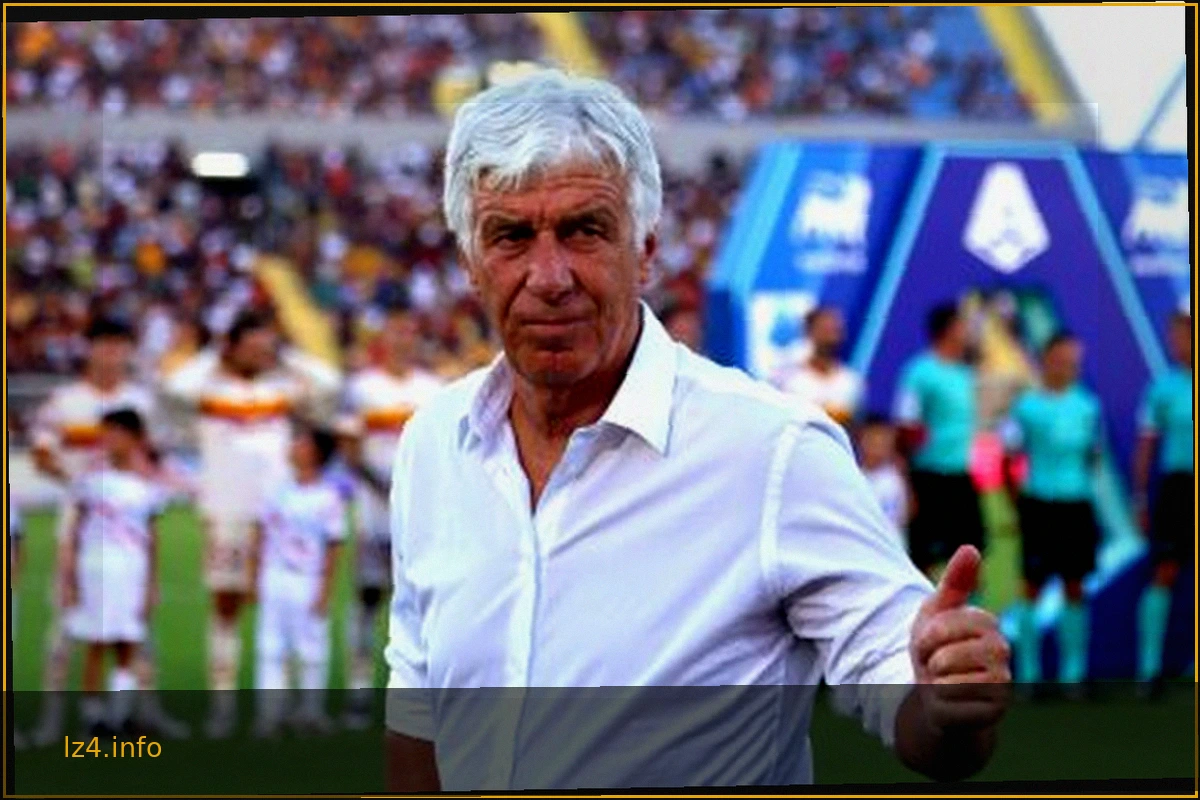
Gasperini: Roma's Improvement Evident; Balerdi's Potential Echoes Baresi; Inter Awaits
Gian Piero Gasperini acknowledged Donyell Malen and Paulo Dybala's impact, noting their ability to create chances consistently. He also drew parallels between defender Leonardo Balerdi and legendary Franco Baresi, suggesting Balerdi possesses similar qualities in his interpretation of the defe
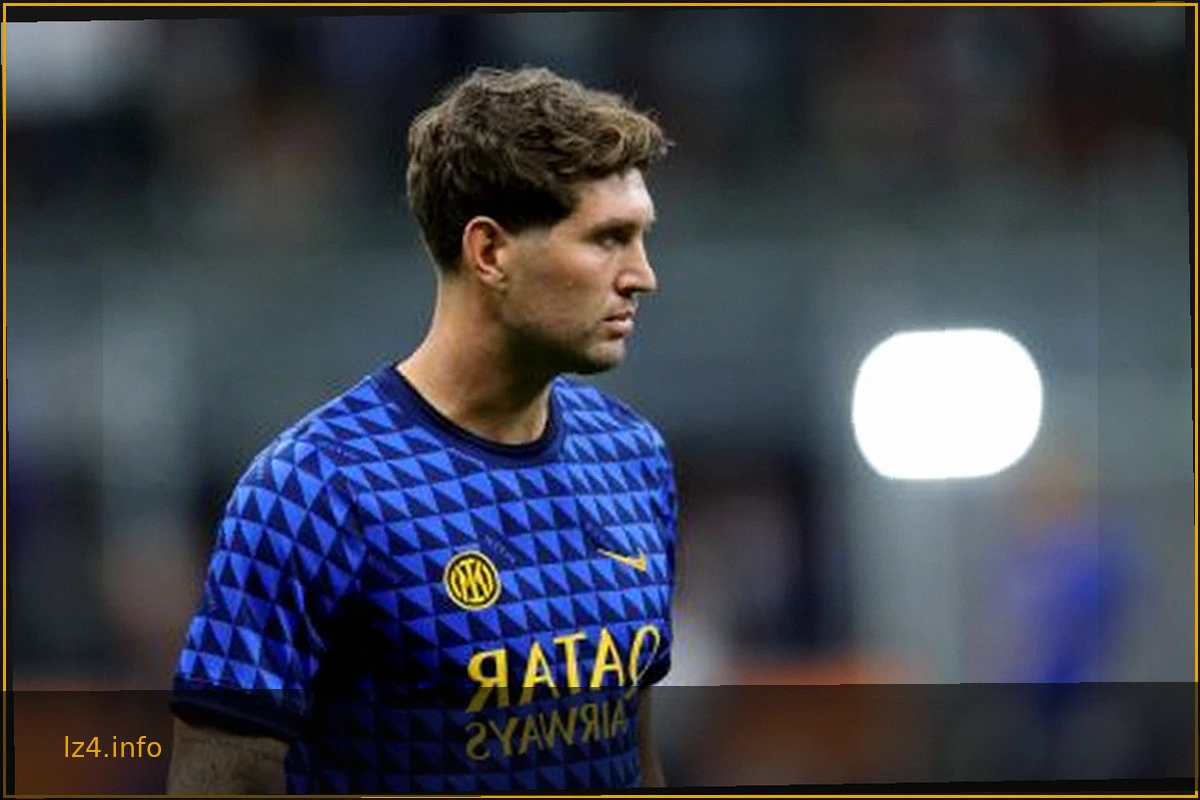
Stones Injury Concerns for Inter Ahead of Roma Clash
Inter faces a fresh injury concern with John Stones. The defender was forced off during his first start of the season, potentially jeopardizing his availability for the crucial Scudetto match against Roma. Stones, who started alongside former teammate Manuel Akanji at the San Siro against
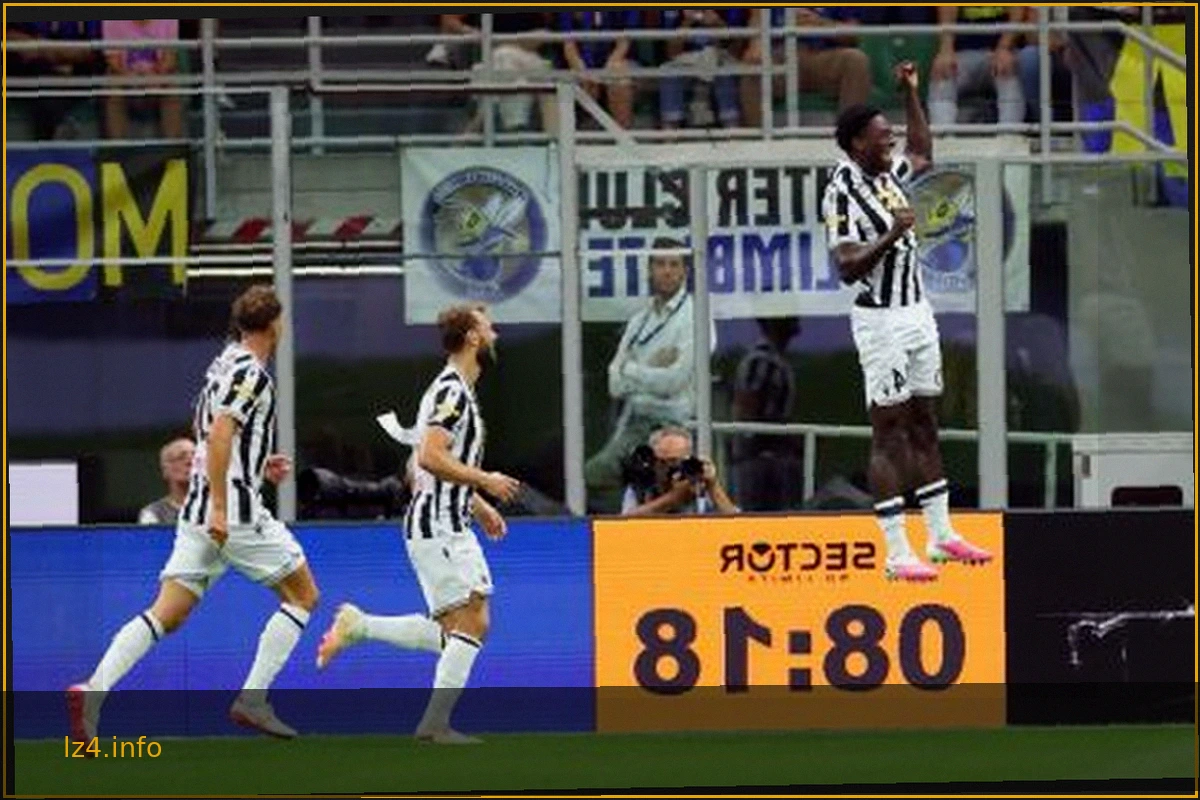
Inter's Dramatic 5-3 Serie A Comeback Against Udinese
Inter Milan achieved a second consecutive Serie A win after trailing by two goals, defeating Udinese 5-3 in a chaotic match at San Siro. This followed their 3-2 comeback against Napoli and a 2-1 Champions League loss to Real Madrid, marked by individual errors. Manager Cristian Chivu made c