Los 20 mejores juegos de Game Boy Advance
La Game Boy Advance, sucesora de la familia Game Boy, llegó a Japón el 21 de marzo de 2001 y a América el 11 de junio de 2001. Representó un salto significativo desde los 8 bits de la Game Boy Color, con su procesador de 32 bits, que duplicaba la capacidad de la propia SNES. Esta potencia permi
La Game Boy Advance, sucesora de la familia Game Boy, llegó a Japón el 21 de marzo de 2001 y a América el 11 de junio de 2001. Representó un salto significativo desde los 8 bits de la Game Boy Color, con su procesador de 32 bits, que duplicaba la capacidad de la propia SNES. Esta potencia permitió la adaptación de muchos juegos de SNES y el desarrollo de un extenso catálogo de títulos originales, incluyendo todas las series icónicas de Nintendo.
La historia de la Game Boy Advance abarca cerca de 1500 juegos y tres modelos distintos de la consola. El GBA SP fue el primer modelo portátil de Nintendo con retroiluminación y batería de litio integrada (a excepción del japonés Game Boy Light). Por otro lado, la Game Boy Micro se destaca como la consola portátil con cartuchos más pequeña de Nintendo, superada únicamente por la Pokémon Mini.

Compilar una lista de solo 20 de los mejores juegos de Game Boy Advance es una tarea ardua. Sin embargo, al dar oportunidad a diversas franquicias y solo repetir algunas en un par de ocasiones, creemos haber logrado una selección representativa. La consola portátil GBA cuenta con una calidad excepcional en su biblioteca, lo que la posiciona entre las consolas más grandes de Nintendo.
Hemos clasificado los 20 mejores juegos de Game Boy Advance en orden creciente de importancia. Prepárate para un viaje nostálgico a los comienzos del nuevo milenio.
20. Driver 2 Advance
Lanzado solo dos años después de la versión de PlayStation, este título demostró las capacidades 3D de la GBA, a pesar de que no era su enfoque principal. Incluía los mapas de Chicago y Río, con sus edificios y varias misiones del juego original, destacando por su impresionante adaptación a la portátil.
19. Gyakuten Saiban (Phoenix Wright: Ace Attorney)
Aunque Phoenix Wright: Ace Attorney se popularizó en Nintendo DS, su origen japonés en Game Boy Advance en octubre de 2001 le otorga un lugar merecido en esta lista. Esta aventura gráfica, con investigaciones inspiradas en títulos como Famicom Detective Club, llevó emocionantes pleitos judiciales a los bolsillos de los jugadores.
18. Super Mario Advance 4: Super Mario Bros. 3
Elegir solo uno de los cuatro Super Mario Advance es difícil, pero esta adaptación del clásico de NES se distingue por su uso del periférico e-Reader. Al escanear tarjetas especiales, se añadieron nuevos niveles a SMB3, incluso incorporando elementos de Super Mario World o Super Mario Bros. 2 (USA).
17. F-Zero Climax
Exclusivo japonés que perfeccionó la jugabilidad vista en F-Zero: GP Legend (complementario al anime), superando a su vez a F-Zero: Maximum Velocity. Este título de 2004 llevó la jugabilidad 2D de F-Zero a su máxima expresión, incluyendo un editor de pistas y ostentando la distinción de ser el último juego original de la franquicia hasta la fecha.
16. Mario & Luigi: Superstar Saga
Tras Super Mario RPG y Paper Mario, pocos esperaban que el RPG de AlphaDream (lamentablemente en bancarrota) con personajes del Reino Champiñón y nuevos villanos fuera tan atractivo. Su humor, una historia inusual para Mario, y el verdadero coprotagonismo de Luigi, abrieron camino a múltiples secuelas, incluyendo una insuperable con Bowser.
15. Golden Sun
El estudio Camelot dedicó años a exitosas entregas de Mario Golf y Mario Tennis, aplicando con éxito el género RPG a sus historias. Cuando finalmente pudieron crear su propio juego, Golden Sun y su secuela directa fueron elegidos para presentar un RPG original con renders 3D que eran únicos para la GBA en ese momento. Es una saga que merece un regreso.
14. Mario vs. Donkey Kong
Basado en el título de Game Boy, que a su vez era una secuela del Donkey Kong original, esta rivalidad modernizada entre Mario y Donkey Kong ofrecía gráficos agradables y desafiantes puzles de plataformas que explotaban las habilidades acrobáticas de Mario. Fue el debut de los juguetes Mini Mario y el último juego con este estilo, ya que las entregas posteriores se centraron en los juguetes.
13. Mother 3
Considerado el Santo Grial de Game Boy Advance y conocido en Occidente como Earthbound 2, esta es una de las series más cortas de Nintendo. Su complicado desarrollo y los años de rumores sobre su localización han hecho que sea altamente recomendable disfrutar del excelente trabajo de los fans para experimentar una de las historias más emotivas y finamente construidas de la portátil.
12. Mario Kart: Super Circuit
En una era donde solo existían Super Mario Kart y Mario Kart 64 para consolas de sobremesa, este fue el primer juego portátil de la serie, combinando lo mejor de ambas entregas. Contaba con personajes renderizados en 3D y pistas con elementos 2D, además de ofrecer todos los circuitos de SNES como desbloqueables. Su elevada curva de dificultad para conseguir los mejores puntajes era siempre satisfactoria, especialmente en multijugador.
11. Final Fantasy VI Advance
El favorito de muchos Final Fantasy recibió una adaptación para Game Boy Advance (al igual que FF 1, 2, 4 y 5) que, aunque redujo un poco la calidad de audio, mantuvo su fabulosa jugabilidad. Una de las historias más cautivadoras de la saga se benefició de un calabozo adicional, Dragon's Den, en esta versión. Poder llevarlo a todas partes ya era una gran ventaja, y es superior a la versión móvil, aunque no a la original de SNES.
10. Metroid Fusion
Noviembre de 2002 fue un mes especial para Metroid: un día después del lanzamiento de Metroid Prime en GameCube, GBA recibió lo que cronológicamente es "Metroid 4". Codirigido por Yoshio Sakamoto, el juego no solo presentó un nuevo traje, sino también un mejorado abanico de movimientos y habilidades que serían cruciales para la siguiente entrega y definirían la versión definitiva de Samus.
9. WarioWare: Twisted!
Antes de la era de los smartphones, los juegos con acelerómetro eran raros. Tras Kirby Tilt ‘n’ Tumble para Game Boy Color, WarioWare: Twisted! incorporó un giroscopio en el cartucho para controlar microjuegos de una forma nunca antes vista en una consola de Nintendo. El resultado fue innovador y fresco, incluso para la segunda entrega principal de WarioWare.
8. Advance Wars
La estrategia táctica por turnos, originaria de Famicom Wars, encontró un sucesor perfecto en Game Boy Advance, extendiéndose luego a Nintendo DS y con un 'spin-off' en GameCube/Wii. Su fórmula desafiante y diseños caricaturescos convertían la guerra en un juego entretenido. Las incontables horas dedicadas a las formaciones y la toma de bases enemigas, gracias a Intelligent Systems, son inolvidables.
7. The Legend of Zelda: The Minish Cap
A menudo se olvidan las versiones de Zelda desarrolladas por Capcom, pero The Minish Cap es fácilmente uno de sus mejores exponentes. Con una estética inspirada en The Wind Waker y un mapa de Hyrule completamente nuevo, introduce una raza miniatura y la habilidad de Link para encogerse. La historia de Vaati y la espada cuádruple merece mayor reconocimiento.
6. Fire Emblem: The Sacred Stones
Cuando Intelligent Systems finalmente logró traer Fire Emblem a Occidente a través de la GBA, rápidamente se convirtió en uno de los favoritos de la consola. The Sacred Stones continuó el éxito con una historia épica protagonizada por dos mellizos, Eirika y Ephraim. En su búsqueda por recuperar su reino, los hermanos reclutan un ejército y se enfrentan al rey demonio.
5. Pokémon Ruby / Sapphire / Emerald
Después de Crystal, superar las expectativas para Pokémon era difícil. Aunque estas versiones de GBA no lo lograron del todo, ofrecieron buenos juegos en la región de Hoenn ("demasiada agua"), con gráficos coloridos, variedad de climas, efectos de terreno y la batalla entre los equipos ecoterroristas Magma y Aqua. Su buen rendimiento impulsó a Game Freak a crear los primeros remakes de la franquicia, una tendencia que continúa hoy.
4. WarioWare, Inc: Mega Microgame$!
Una verdadera revolución desarrollada en secreto antes de ser aprobada. Inspirado directamente en el modo de microjuegos de Mario Artist: Polygon Studio (64DD), WarioWare es una celebración de la locura que solo Wario y su elenco de nuevos personajes podían ofrecer. Adictivo, desinhibido, extremadamente cómico, y repleto de contenido y minijuegos extra.
3. Boktai: The Sun is in Your Hand
A Hideo Kojima, el creador de Metal Gear, le apasionan las películas de vampiros. Quiso desarrollar un proyecto sobre un cazador de vampiros que usara la luz solar real para derrotarlos. Así, con un sensor solar integrado en el cartucho, nació Boktai, un concepto excepcional en la industria, mostrando el ingenio característico de Kojima a principios del nuevo milenio.
2. Castlevania: Aria of Sorrow
Dejando atrás el largo linaje de la familia Belmont, Koji Igarashi viajó al futuro de la saga y nos presentó a la reencarnación benigna de Drácula, Soma Cruz. Esta cualidad le permitía absorber las almas de sus enemigos, convirtiendo el juego en la entrega más especial de Castlevania (con permiso de Symphony of the Night). Tuvo una secuela directa para DS, pero sin los encantadores diseños de Ayami Kojima.
1. Metroid: Zero Mission
Si combinamos el diseño de Super Metroid con la jugabilidad fluida –fácil de controlar, difícil de dominar– de Metroid Fusion, el magnífico resultado es este remake del primer Metroid. Atmosféricamente inmersivo, con una banda sonora cautivadora y expandido con la mitología de Samus y los Chozo, este juego es el pináculo de Game Boy Advance y de la saga 2D de Metroid. También marcó el debut de Zero Suit Samus.
The 20 Best Game Boy Advance Games
The Game Boy Advance, successor to the Game Boy family, launched in Japan on March 21, 2001, and in America on June 11, 2001. It represented a significant leap from the 8-bit Game Boy Color, boasting a 32-bit processor that doubled the power of the SNES. This capability led to the adaptation of many SNES games and the development of an extensive catalog of original titles, featuring all of Nintendo's iconic series.
The Game Boy Advance's history encompasses nearly 1500 games and three distinct console models. The GBA SP was Nintendo's first backlit handheld with an integrated lithium battery (excluding the Japanese Game Boy Light). The Game Boy Micro, on the other hand, stands out as Nintendo's smallest cartridge-based handheld, surpassed only by the Pokémon Mini.
Compiling a list of only 20 of the best Game Boy Advance games is a challenging task. However, by giving various franchises a chance and only repeating a few in a couple of instances, we believe we have achieved a representative selection. The GBA handheld boasts exceptional quality in its library, positioning it among Nintendo's greatest consoles.
We have ranked the 20 best Game Boy Advance games in ascending order of importance. Get ready for a nostalgic journey back to the turn of the millennium.
20. Driver 2 Advance
Released just two years after its PlayStation counterpart, this title showcased the GBA's 3D capabilities, despite it not being its primary focus. It included maps of Chicago and Rio, complete with their buildings and several missions from the original game, standing out as an impressive adaptation for the handheld.
19. Gyakuten Saiban (Phoenix Wright: Ace Attorney)
While Phoenix Wright: Ace Attorney gained popularity on Nintendo DS, its Japanese origin on Game Boy Advance in October 2001 earns it a deserved spot on this list. This graphic adventure, featuring investigations inspired by titles like Famicom Detective Club, brought thrilling court cases to players' pockets.
18. Super Mario Advance 4: Super Mario Bros. 3
Choosing just one of the four Super Mario Advance titles is tough, but this adaptation of the NES classic stands out for its use of the e-Reader peripheral. By scanning special cards, new levels were added to SMB3, even incorporating elements from Super Mario World or Super Mario Bros. 2 (USA).
17. F-Zero Climax
A Japanese exclusive that refined the gameplay seen in F-Zero: GP Legend (complementary to the anime), in turn surpassing F-Zero: Maximum Velocity. This 2004 title brought F-Zero's 2D gameplay to its peak, including a track editor, and holds the distinction of being the last original game in the franchise to date.
16. Mario & Luigi: Superstar Saga
After Super Mario RPG and Paper Mario, few expected AlphaDream's RPG (sadly bankrupt) featuring Mushroom Kingdom characters and new villains to be so appealing. Its humor, an atypical Mario story, and Luigi's genuine co-starring role paved the way for multiple sequels, including an unsurpassed one featuring Bowser.
15. Golden Sun
The Camelot studio dedicated years to successful Mario Golf and Mario Tennis installments, skillfully applying the RPG genre to their storylines. When they finally got to create their own game, Golden Sun and its direct sequel were chosen to showcase an original RPG with 3D renders that were unique for the GBA at the time. It's a series that deserves a return.
14. Mario vs. Donkey Kong
Based on the Game Boy title, itself a sequel to the original Donkey Kong, this modernized rivalry between Mario and Donkey Kong offered pleasant graphics and challenging platform puzzles that utilized Mario's acrobatic abilities. It marked the debut of the Mini Mario toys and was the last game with this particular style, as subsequent installments focused on the toys.
13. Mother 3
Considered the Holy Grail of Game Boy Advance and known in the West as Earthbound 2, this is one of Nintendo's shortest series. Its complicated development and years of rumors surrounding its localization make it highly recommended to experience the excellent fan translation to enjoy one of the most emotional and finely crafted stories on the handheld.
12. Mario Kart: Super Circuit
In an era where only Super Mario Kart and Mario Kart 64 existed for home consoles, this was the series' first handheld game, combining the best of both installments. It featured 3D-rendered characters and tracks with 2D elements, plus all SNES circuits as unlockables. Its high difficulty curve for achieving top scores was always satisfying, especially in multiplayer.
11. Final Fantasy VI Advance
The favorite Final Fantasy for many received a Game Boy Advance adaptation (like FF 1, 2, 4, and 5) which, while slightly reducing audio quality, retained its fabulous gameplay. One of the saga's most captivating stories benefited from an additional dungeon, Dragon's Den, in this version. Being able to take it everywhere was already a huge plus, and it's superior to the mobile version, though not to the original SNES release.
10. Metroid Fusion
November 2002 was a special month for Metroid: one day after the launch of Metroid Prime on GameCube, GBA received what is chronologically "Metroid 4." Co-directed by Yoshio Sakamoto, the game not only introduced a new suit but also an improved range of movements and abilities that would be crucial for the next installment and define the ultimate version of Samus.
9. WarioWare: Twisted!
Before the smartphone era, accelerometer-based games were rare. Following Kirby Tilt ‘n’ Tumble for Game Boy Color, WarioWare: Twisted! incorporated a gyroscope into the cartridge to control microgames in a way never before seen on a Nintendo console. The result was innovative and fresh, even for the second main installment of WarioWare.
8. Advance Wars
The turn-based tactical strategy, originating from Famicom Wars, found a perfect successor on Game Boy Advance, later extending to Nintendo DS and with a 'spin-off' on GameCube/Wii. Its challenging formula and cartoonish designs made war an entertaining game. The countless hours spent on formations and capturing enemy bases, thanks to Intelligent Systems, are unforgettable.
7. The Legend of Zelda: The Minish Cap
Zelda versions developed by Capcom are often overlooked, but The Minish Cap is easily one of their best examples. Featuring aesthetics inspired by The Wind Waker and a completely new Hyrule map, it introduces a miniature race and Link's ability to shrink. The story of Vaati and the Four Sword deserves greater recognition.
6. Fire Emblem: The Sacred Stones
When Intelligent Systems finally managed to bring Fire Emblem to the West via the GBA, it quickly became a console favorite. The Sacred Stones continued this success with an epic story starring twin protagonists, Eirika and Ephraim. In their quest to reclaim their kingdom, the siblings recruit an army and confront the demon king.
5. Pokémon Ruby / Sapphire / Emerald
After Crystal, surpassing expectations for Pokémon was difficult. While these GBA versions didn't quite achieve that, they offered solid games in the Hoenn region ("too much water"), featuring colorful graphics, varied climates, terrain effects, and the battle between eco-terrorist teams Magma and Aqua. Their strong performance prompted Game Freak to create the franchise's first remakes, a trend that continues today.
4. WarioWare, Inc: Mega Microgame$!
A true revolution developed in secret before receiving approval. Directly inspired by the microgame mode in Mario Artist: Polygon Studio (64DD), WarioWare is a celebration of the madness that only Wario and his cast of new characters could deliver. Addictive, uninhibited, extremely comedic, and packed with content and extra mini-games.
3. Boktai: The Sun is in Your Hand
Hideo Kojima, the creator of Metal Gear, is passionate about vampire films. He wanted to develop a project about a vampire hunter who used real sunlight to defeat them. Thus, with a solar sensor integrated into the cartridge, Boktai was born—an exceptional concept in the industry, showcasing Kojima's characteristic ingenuity at the turn of the millennium.
2. Castlevania: Aria of Sorrow
Leaving behind the long lineage of the Belmont family, Koji Igarashi ventured into the future of the saga and introduced us to Dracula's benevolent reincarnation, Soma Cruz. This ability allowed him to absorb enemies' souls, making the game the most special Castlevania installment (with due respect to Symphony of the Night). It received a direct sequel on DS, but without Ayami Kojima's charming designs.
1. Metroid: Zero Mission
If we combine the design of Super Metroid with the fluid gameplay –easy to control, difficult to master– of Metroid Fusion, the magnificent result is this remake of the first Metroid. Atmospherically immersive, with a captivating soundtrack, and expanded with the mythology of Samus and the Chozo, this game is the pinnacle of the Game Boy Advance and the 2D Metroid saga. It also marked the debut of Zero Suit Samus.
Fresh materials — Esports
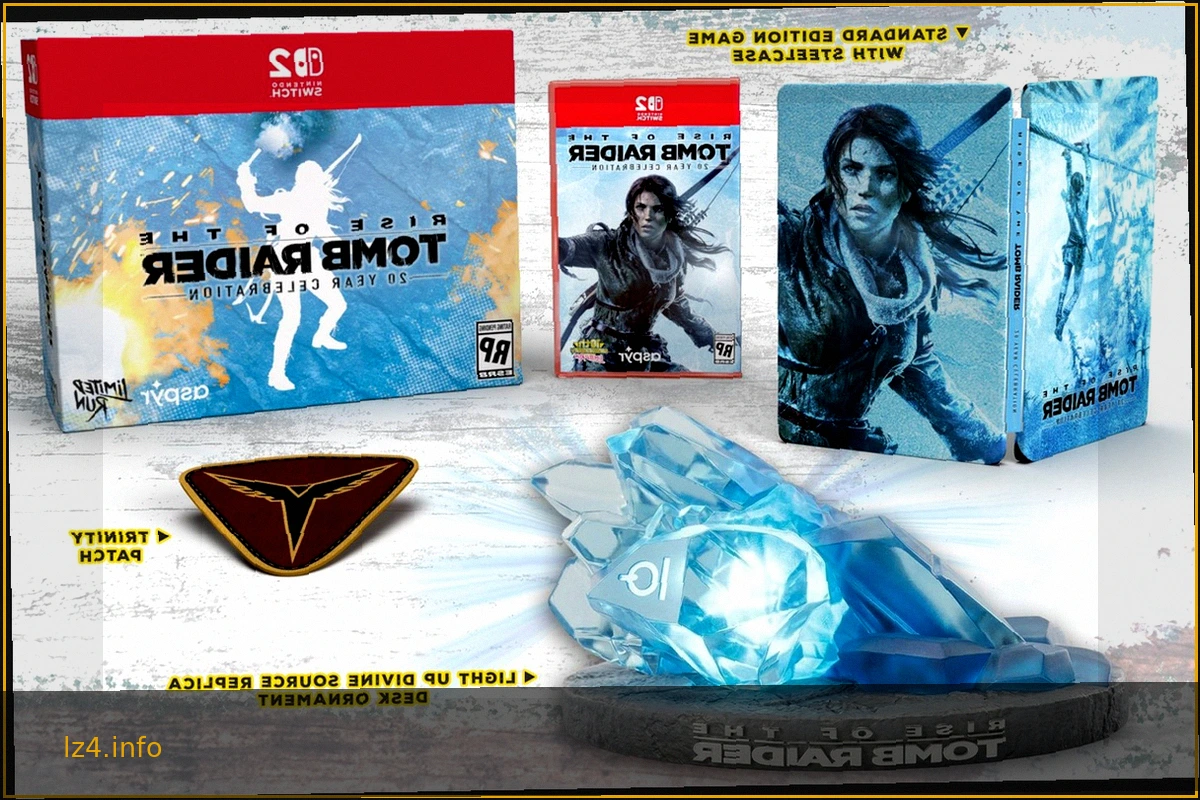
Rise of the Tomb Raider Collector's Edition for Switch 2: A Disappointing Physical Release
Limited Run Games has announced a physical edition of Rise of the Tomb Raider for the Nintendo Switch 2. This cartridge release includes a standard edition for $50 USD and a collector's edition for $100 USD. The collector's edition features a steelbook case, a Trinity patch, and a light-up desk
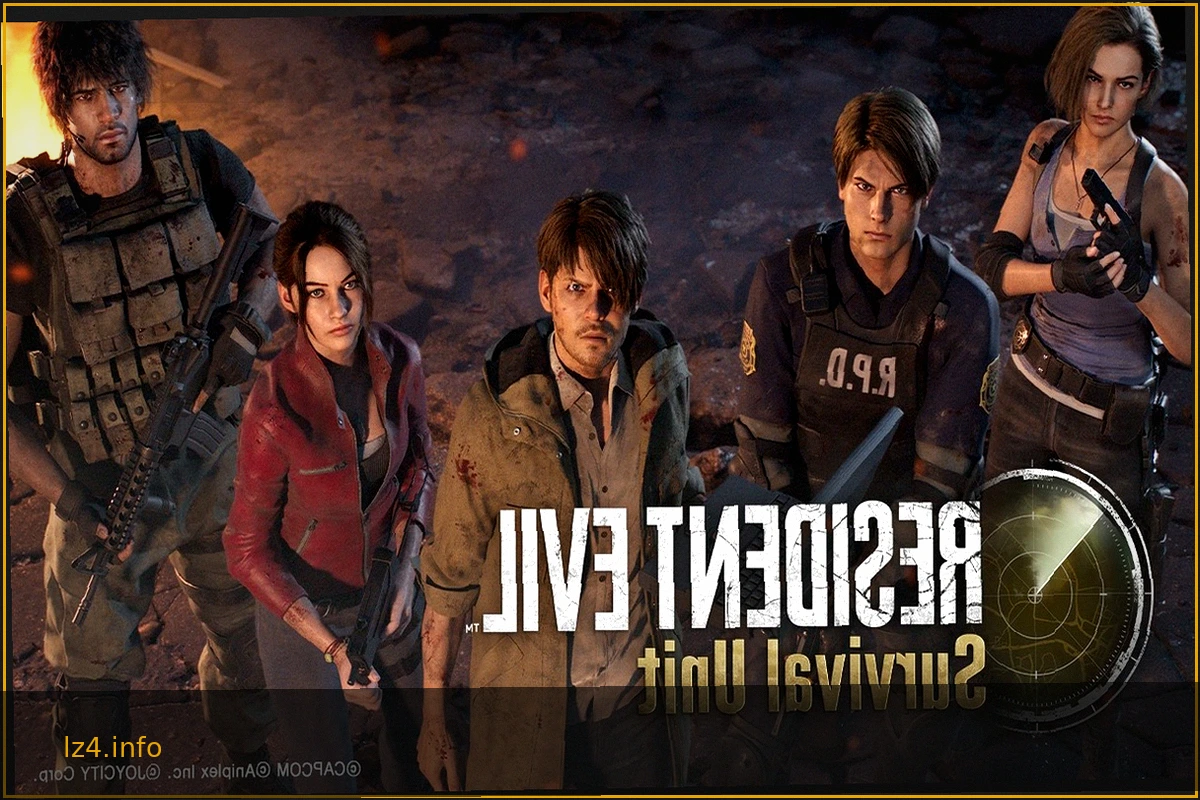
Resident Evil Survival Unit: Active Promo Codes October 2026
Resident Evil Survival Unit, a mobile game from Capcom's survival horror franchise released in September 2025, offers promotional codes for player benefits, similar to experiences in Roblox or games like JoJo’s Bizarre Adventure Golden Spirit. To aid players in their missions, especially newco
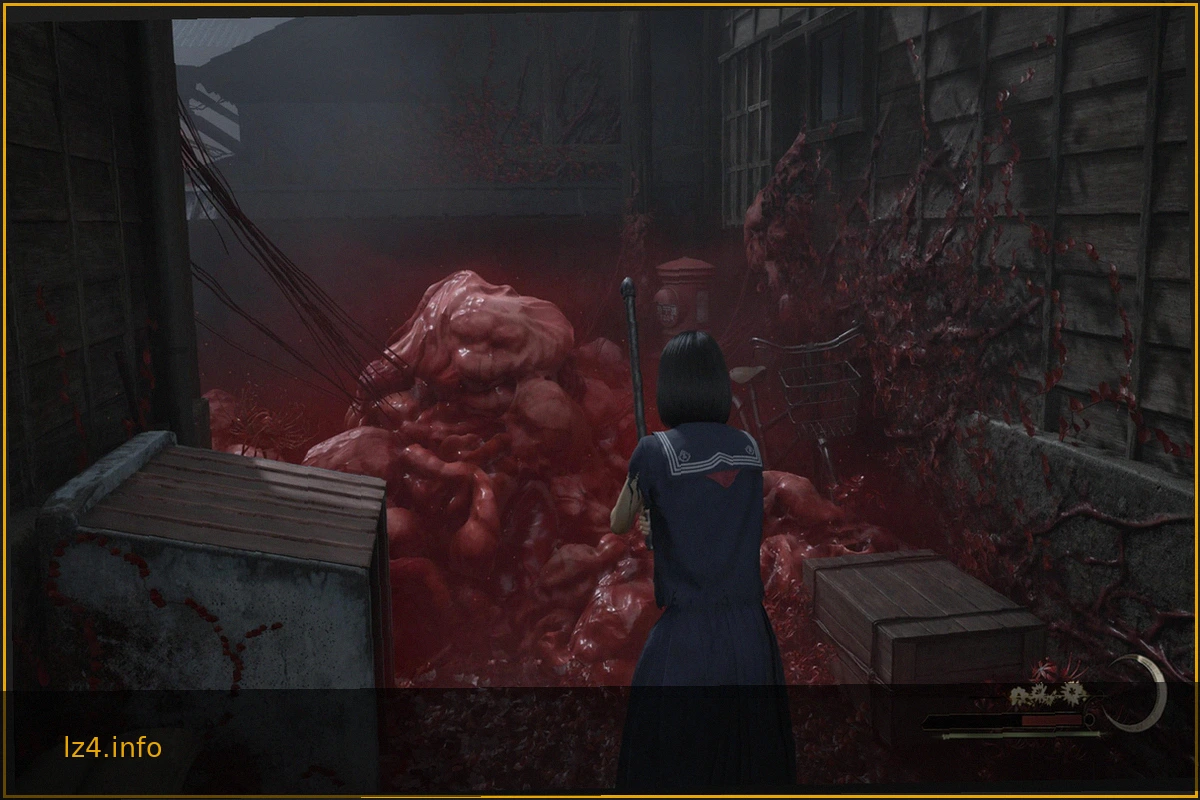
Silent Hill f Art Book Showcases Beauty in Horror
Konami announced the official art book for Silent Hill f, slated for release in Japan on December 7, 2026. The book is priced at 4180 yen (approximately $26.50 USD). Whether this publication will be released globally remains unknown. For now, fans may need to rely on international import sites
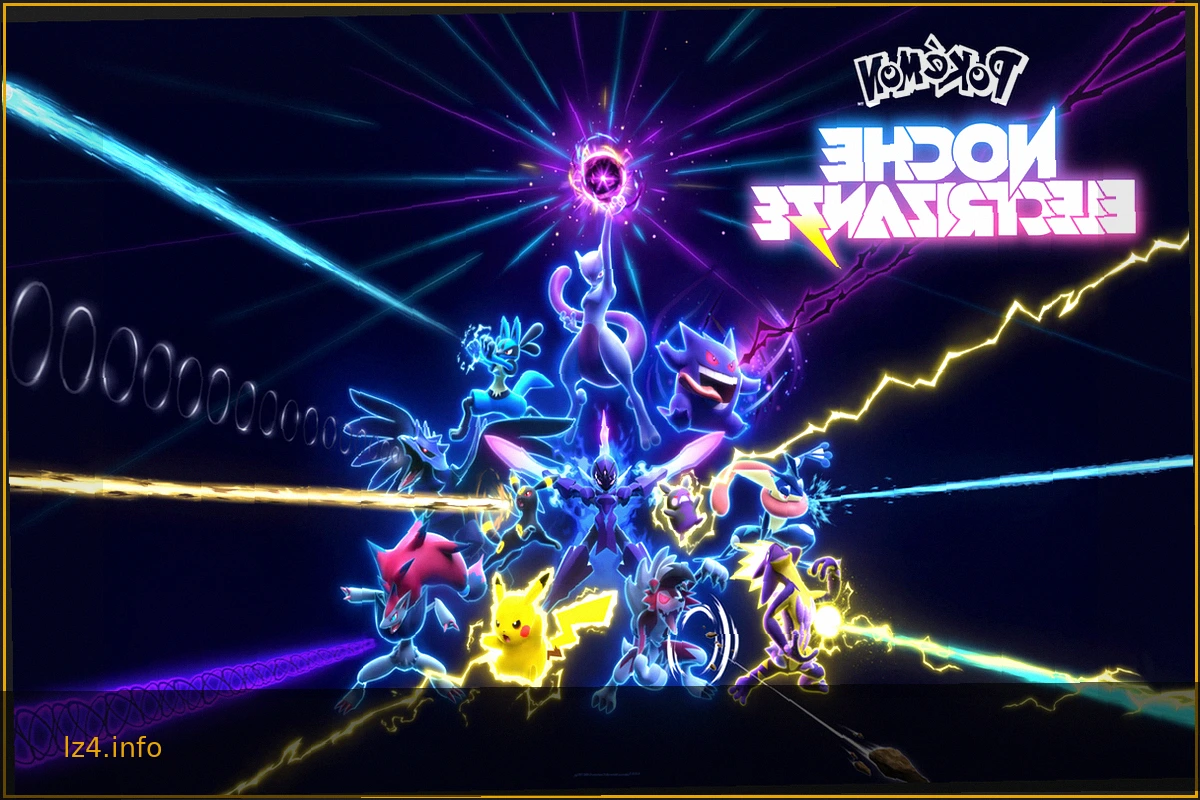
Pokémon Electrifying Night: Los Angeles Music Event to Stream Live on Twitch & YouTube
For the first time, the world of Pokémon merges with electronic music at Pokémon Electrifying Night, a live concert happening in Los Angeles on Saturday, October 24, 2026. Trainers worldwide can tune into the official Pokémon channels on YouTube and Twitch to watch the live broadcast and join
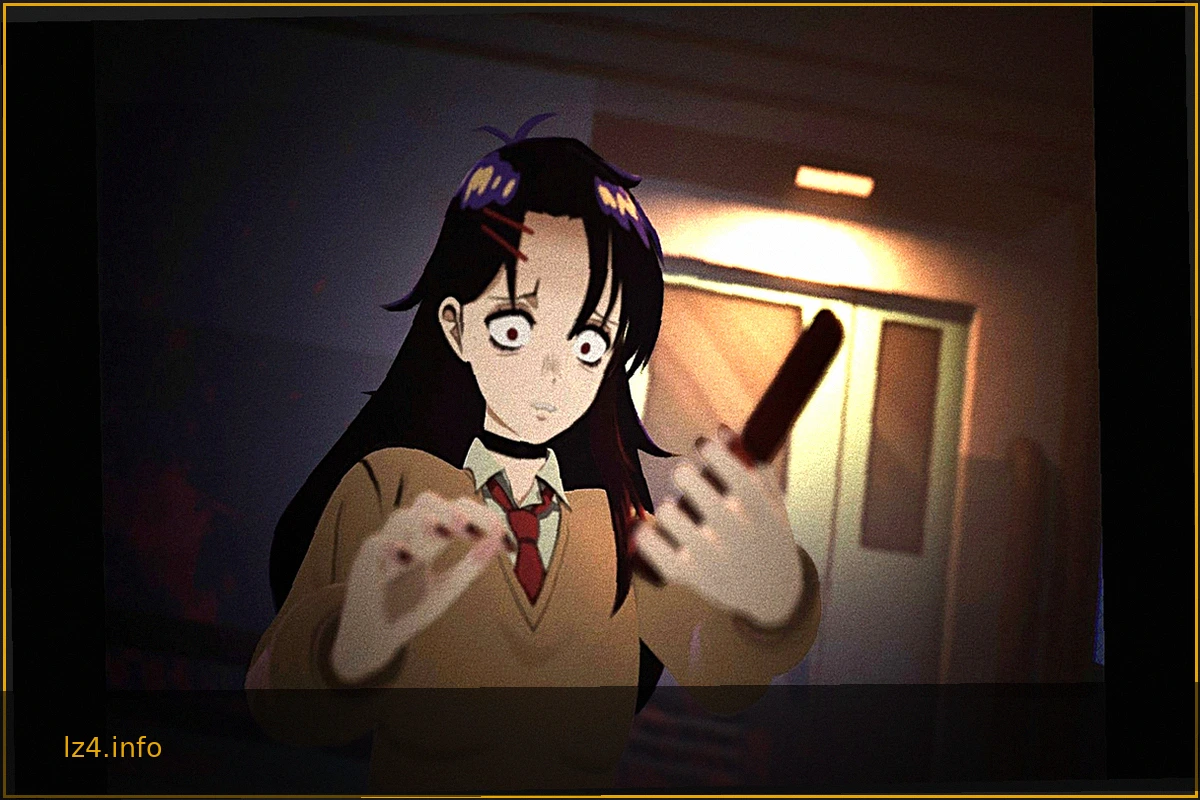
Signal Veil: Chilean Studio Time Hunters Reveals New Survival Horror Title
Seraphini Productions, known for the Broken Lore horror game series, has teamed up with Chilean indie studio Time Hunters to develop a new survival horror game called Signal Veil. The game features an anime aesthetic and puts players in control of Aki, a teenager who begins experiencing s
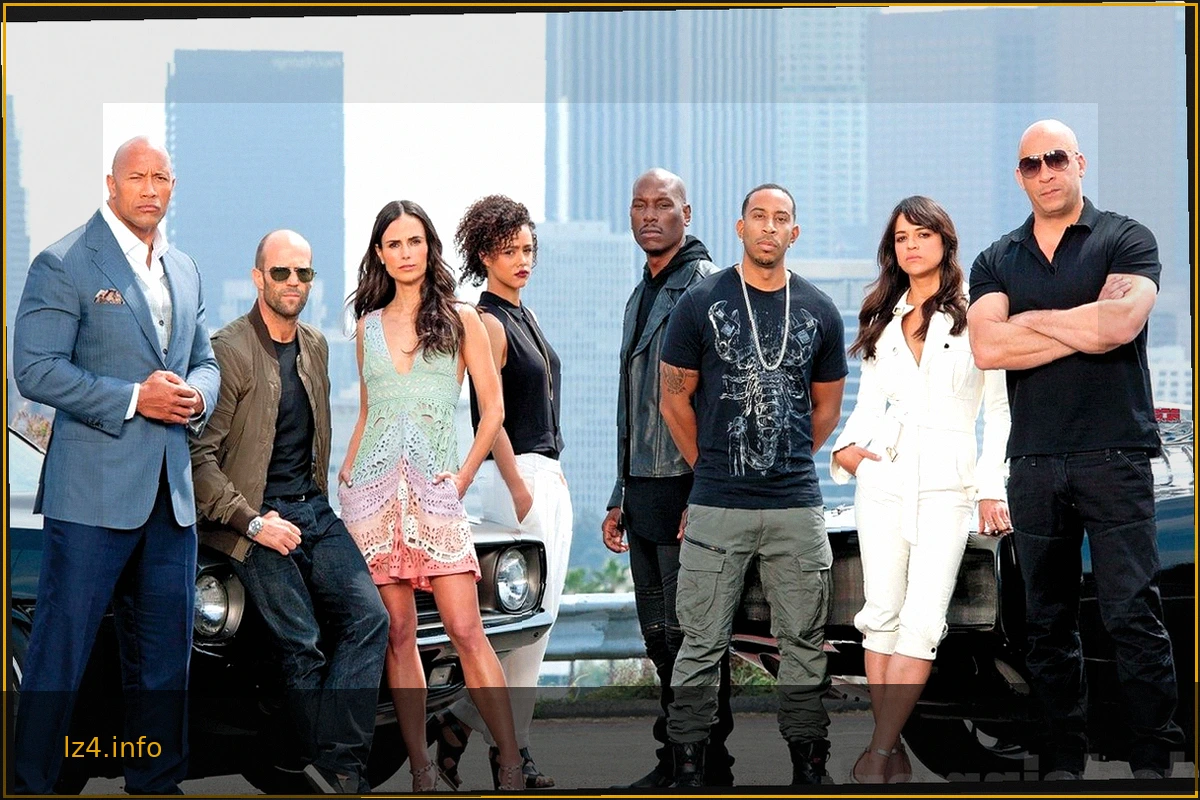
Peacock Greenlights Toretto-Produced Series Ahead of Fast & Furious 11
While waiting for Fast & Furious 11, Peacock has given the official go-ahead to a new series. This show is slated for release in 2028, the same year the franchise's final film is set to debut. Vin Diesel is attached as an executive producer. Diesel stated that the studio recognized fans'