
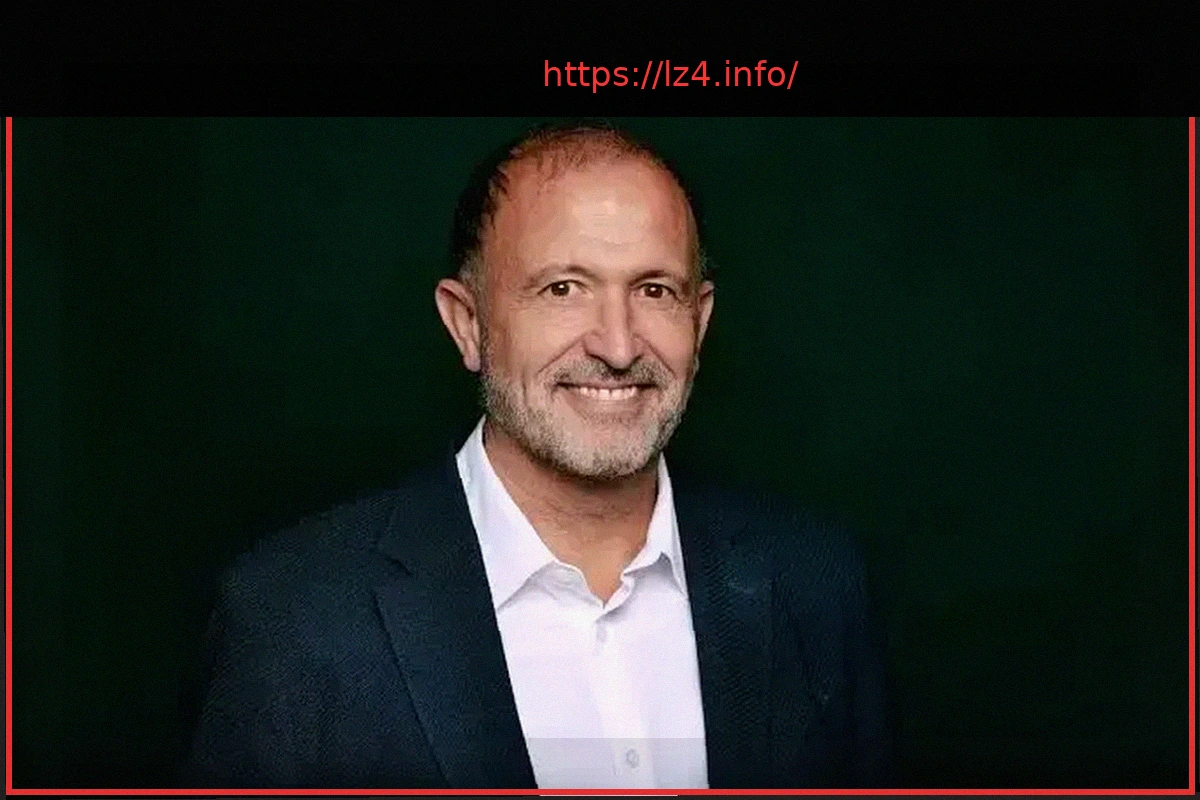
The CEO of Euroleague provides an in-depth interview, offering insights into the future direction of European basketball, addressing critical topics such as strategies for revenue generation, potential league expansion and format modifications, and the much-discussed prospect of a collaboration with the NBA in Europe.
On Euroleague’s Revenue Generation Challenges and Opportunities
The Euroleague CEO candidly addressed the ongoing challenge of increasing revenue. He noted that while Euroleague already holds the top spot for revenue generation in Europe, excluding the NBA, European basketball as a whole isn’t capitalizing on its full potential, especially considering it’s the continent’s second most popular sport with an estimated 60 to 70 million fans. This underperformance extends to the business-to-business (B2B) sector, including television and digital platforms, where growth has remained stagnant. To achieve higher revenues, he emphasized the need for deeper market penetration and the cultivation of a broader, more engaged audience.
He underscored the significant opportunities for improvement in collaboration with clubs and in penetrating key markets identified as having the strongest potential for increased television revenue. A crucial area for development is the direct-to-consumer relationship, where a comprehensive strategy for optimizing monetization is currently lacking.
The CEO outlined ambitious plans to develop a truly high-performing digital platform for the end-user. This platform, named “Euroleague+”, will serve as a comprehensive hub for content distribution, extending beyond live matches to include betting, merchandise, licensing, ticketing, collectibles, and fantasy leagues. By integrating these diverse elements into a single, competitive platform, Euroleague aims to gather valuable data on user habits, preferences, and purchasing behaviors. This data will then be leveraged to create personalized services tailored to individual profiles, forming the foundation for enhanced monetization.
Illustrating the financial potential, he presented a compelling scenario: if 10 to 12 million out of the 60 million passionate fans subscribe to products and services generating, for instance, 9.99 euros per month (equating to 100 euros annually), this could generate a billion euros. This identified gap between the current situation and future objectives is well-understood by Euroleague and other major players like the NBA. Europe, being a vast and sophisticated market with substantial entertainment spending power, represents a significant opportunity. The development of the Euroleague+ platform is actively underway, with backend processes requiring time. The CEO anticipates phased monetization becoming possible within the next 6 to 12 months.
“We have observed the impact of a 20-team league format, particularly concerning travel demands and weeks with two games. We have not yet reached a decision regarding a transition to two conferences.”
On Potential Expansion to 22 Teams and a Conference Format
Internal discussions are actively exploring potential modifications to the competition format. The league has specifically noted the considerable impact of the current 20-team format, particularly concerning the extensive travel required and the frequency of weeks featuring two games. A definitive decision on whether to transition to a two-conference format has not yet been made.
Should the league opt for a two-conference system, it would likely be contingent on expanding to a minimum of 22 teams. Without this expansion, a conference format would lead to a 25% to 30% reduction in the number of games, potentially resulting in decreased television revenue. Furthermore, clubs would face negative financial repercussions on ticket sales and sponsorships due to hosting five or six fewer home games. Both options – continuing with the current format for another year or adopting a two-conference structure – are currently under thorough evaluation.
The CEO also highlighted other critical factors influencing this decision, including the broader geopolitical landscape, the repercussions of ongoing conflicts, and the financial challenges faced by some teams. These considerations play a significant role in determining whether to expand to 22 teams, with a strong emphasis on maintaining and preserving the quality of the on-court spectacle. If there is a risk of quality degradation or if the geopolitical context is not conducive, increasing the number of teams would not be a prudent move. A board meeting scheduled for April 14th is expected to provide all the necessary information and lead to a final decision.
“We have agreed that once these preliminary steps are completed, we will convene to explore the possibility of collaboration. I believe increased market fragmentation would ultimately be detrimental to all parties involved.”
On the Prospects of an NBA Europe League
Regarding the much-discussed prospect of an NBA Europe League, the CEO confirmed that the NBA is in the final stages of its fundraising process. These funds are set to be distributed, and by the end of the current month, the NBA will have finalized its data analysis, presenting its conclusions to team owners. At that point, the Euroleague expects to gain clearer insights into the NBA’s strategic thinking, its market findings, the total funds raised, and the number of partners involved.
A mutual agreement has been established that once these initial steps are completed by the NBA, both organizations will meet to explore potential collaboration. The CEO firmly expressed his conviction that further fragmentation of the European basketball market would ultimately be detrimental to all stakeholders.
He articulated the unique strengths each entity brings to the table: Euroleague provides established teams, host cities, and a proven competitive league. The NBA, on the other hand, can contribute its extensive expertise in league management, significant capital, and a globally recognized brand logo, which is invaluable for attracting major partners like television broadcasters and sponsors. The CEO emphasized that the situation should not be viewed with fear or a sense of threat; instead, the focus should be on how to best leverage this potential opportunity. He reiterated Euroleague’s own substantial assets, affirming that both parties possess valuable resources. The current challenge, he concluded, lies in identifying the optimal way to combine and maximize these resources for mutual benefit.