Ronan O'Gara's Higher Ranking Than Johnny Sexton in Irish Rugby's Top 50 Explained
When compiling a list of the "top players" in Irish rugby history, it's crucial to understand that this designation doesn't solely signify the "best" individual talent. Instead, rankings often incorporate the player's broader influence and impact on the game, particularly within the context of their playing era.
Analysis of Top Player Criteria
The selection process for such rankings extends beyond raw statistics or perceived individual brilliance. It delves into how a player shaped the game during their tenure, influencing team performance, leadership, and the overall narrative of Irish rugby. This nuanced approach acknowledges that different eras present unique challenges and opportunities, and players who navigated these successfully with significant contributions are often given considerable weight.
Key Factors for O'Gara's Ranking
While Johnny Sexton is undeniably a legendary figure in Irish rugby, the criteria used for this particular ranking seem to have favored Ronan O'Gara's sustained impact and his role in pivotal moments throughout a significant period. O'Gara's longevity, his leadership during challenging transitions for the national team, and his consistent ability to steer Munster to considerable success domestically and in Europe are likely key factors that elevated him in this specific evaluation. His presence often symbolized resilience and an unwavering determination.
Sexton's Legacy
Johnny Sexton's career, while perhaps more contemporary, is marked by exceptional skill, tactical nous, and a fierce competitive spirit that inspired generations. His contributions to Ireland's success, including Grand Slam victories and memorable wins against southern hemisphere giants, are monumental. However, the "Top 50" context may have prioritized O'Gara's impact across a slightly broader historical sweep and his role in establishing a winning mentality for Irish provinces in the nascent stages of professionalism.
In essence, the distinction between "top player" and "best player" highlights the subjective yet important considerations of influence, leadership, and historical context when ranking athletes. This approach provides a deeper understanding of the multifaceted nature of sporting legacies.
Fresh materials — Rugby
CONNACHT CONFIDENTIAL: Men from the west are a joy to watch... and with canny coach Lancaster's know-how, these are the ingredients which make them primed for silverware once more
The second year of Stuart Lancaster’s tenure at Connacht promises intrigue. Securing the English coach was a significant achievement, and he made a substantial impact in his first season, mirroring his success at Leinster. Connacht finished last season strongly, overcoming an early defici

Welsh Rugby's Internal Conflict: Critics Rebut 'Toxic' Accusations as Game Faces Decline
Hayley Parsons OBE, a leading critic of the Welsh Rugby Union (WRU), has strongly refuted claims that her scrutiny of the governing body has been 'toxic'. She asserts that the national game in Wales has significantly 'deteriorated on all fronts' under the current leadership, directly c
College Rugby Player, 19, Dies After Medical Emergency During Team Run
A promising college rugby player, Dominic Peterson, a sophomore at Saint Mary's College in California, has tragically passed away at the age of 19. The incident occurred on Friday while Peterson was jogging with his teammates on a public path in Moraga. According to Saint Mary's College pre
Matthew Devine's Controversial Move: From Connacht Hope to Ulster Rival
The departure of Matthew Devine from Connacht to their provincial rivals Ulster on a one-year deal last season caused considerable shock among the Connacht supporters. Devine, now 24, was long considered one of the province's most promising homegrown talents. Reports suggeste
Jack Crowley's Injury Blow: Munster and Ireland Scramble for Solutions Ahead of World Cup
The concerning injury update regarding Jack Crowley is unwelcome news for Munster coach Clayton McMillan and Ireland's Andy Farrell. The confirmation that Munster's fly-half will be sidelined until January due to a persistent lower limb vascular issue presents a significant se
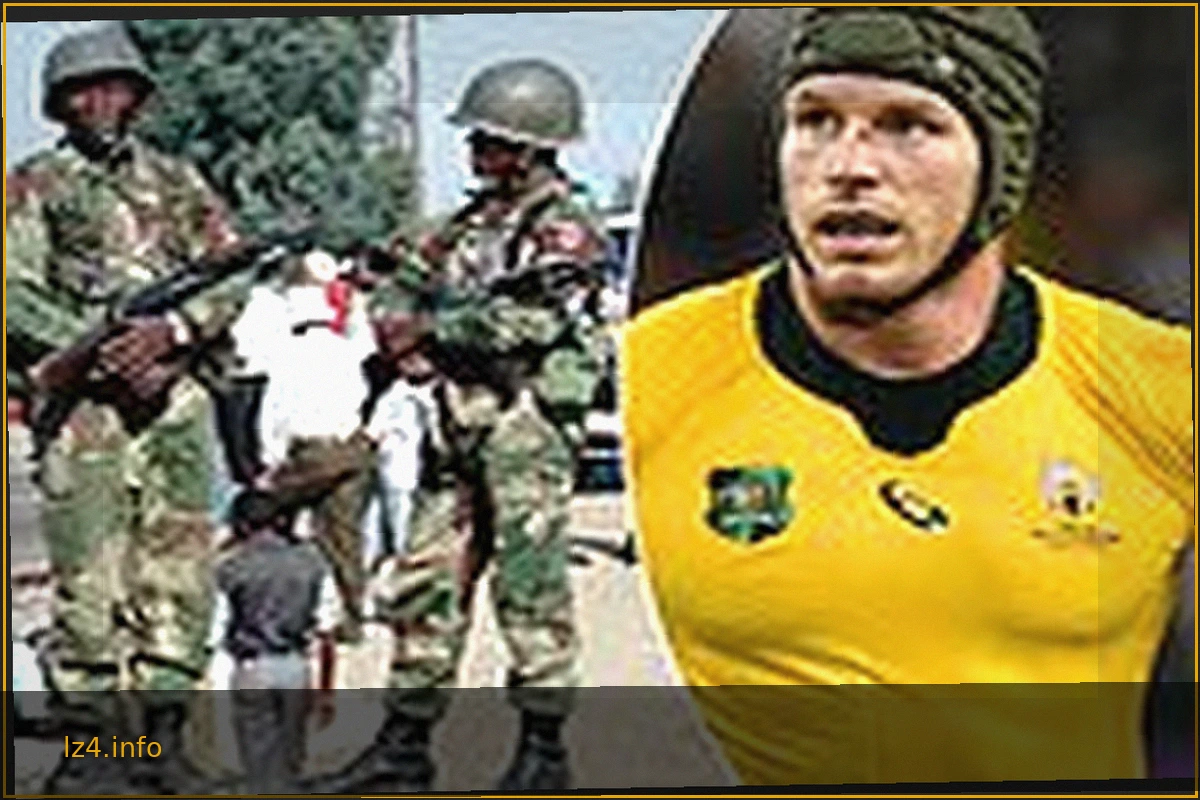
David Pocock recounts the tragic murder of neighbours and forced flight from Zimbabwe
David Pocock, the former captain of the Wallabies and now an independent senator, has spoken about the harrowing violence that compelled his family to leave their farm in Zimbabwe and establish a new life in Australia. Pocock was 14 years old when his family relocated to Brisba