

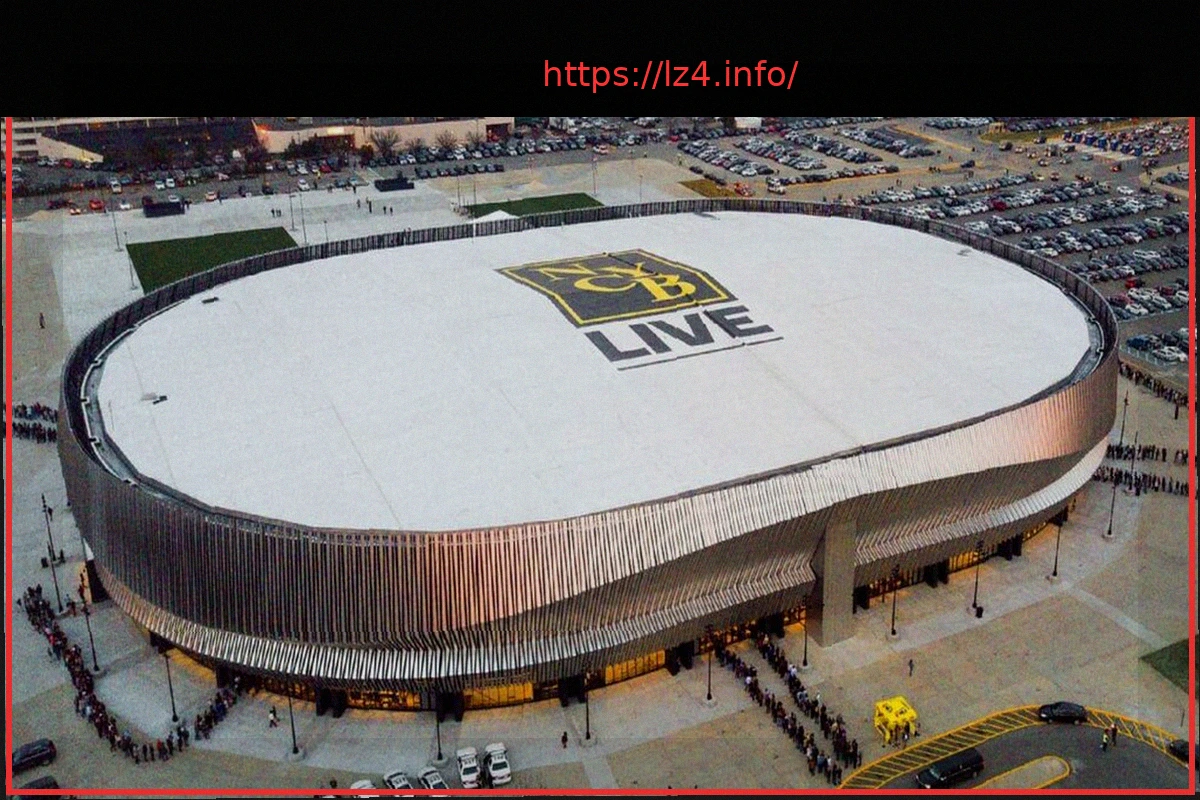
The Nassau Veterans Memorial Coliseum, the legendary home ice of the New York Islanders, marked its official farewell from the NHL world after the Islanders were eliminated in the 2022 postseason. They put up a valiant fight, reaching the penultimate round before ultimately falling to the Tampa Bay Lightning, just shy of the coveted Stanley Cup Final.
Hockey’s Foundation: The Arena’s Original Purpose
Situated in Uniondale, a locale to the east of New York City, construction on this arena commenced in 1969 and was fully completed three years later, opening its doors in 1972. Initially, the WHA (World Hockey Association), a league that once rivaled the NHL, eyed the Coliseum as a potential home for its New York Raiders. However, officials from Nassau County deemed the WHA insufficiently professional and rejected the Raiders’ bid. In a strategic move to undercut its competitor, the NHL then decided to expand, introducing a new franchise to the New York area: the Islanders. This time, Nassau public authorities readily embraced the team.
The Coliseum also served as home to the ABA/NBA Nets for several years, sharing its space with the Islanders.
Professional basketball also played a significant role in the Coliseum’s early history. Throughout the 1970s (specifically from 1972 to 1977), the Nets (then known as the New York Nets) of the ABA/NBA utilized the Coliseum as their home court for multiple seasons. It was here that they achieved their sole professional championships in 1974 and 1976.
The Islanders’ Impressive Home Record
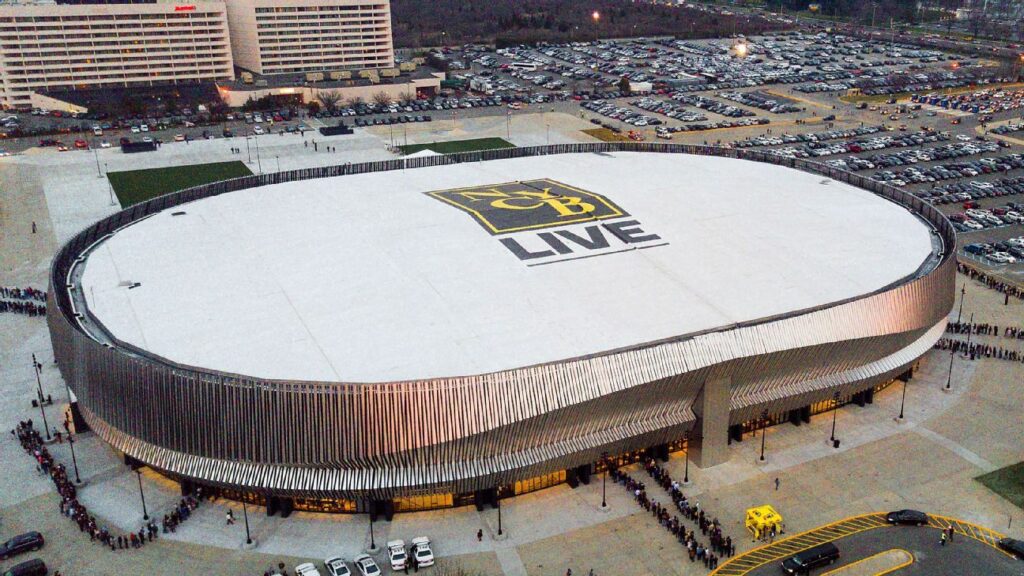
The New York Islanders have spent the vast majority of their existence playing home games at the Nassau Coliseum. The Barclays Center briefly held this status between 2015 and 2020, but the Islanders eventually returned to the Coliseum full-time. At their beloved Nassau arena, the Uniondale franchise contested a grand total of 1,738 games, securing 877 victories. Another remarkable statistic is the 5,952 goals scored by the Islanders within the walls of this iconic venue.
Fluctuations in Spectator Capacity
Affectionately known as “The Coliseum,” the venue has undergone numerous renovations and modifications of varying scale throughout its history, each altering its seating capacity. Before its final significant remodel, it ranked as the second smallest arena in the entire NHL in terms of fan capacity (16,170), only slightly larger than Winnipeg’s Canada Life Centre (15,321). Following the Islanders’ return to the Uniondale ice, the seating capacity was further reduced to 13,917, a figure now considered outdated for modern NHL standards.

Here’s a breakdown of the Coliseum’s evolving capacity over the years:
- 13,571 (1972–1973)
- 14,665 (1972–1973)
- 14,865 (1973–1976)
- 15,317 (1976–1978)
- 14,995 (1978–1980)
- 15,008 (1980–1981)
- 15,230 (1982–1983)
- 15,850 (1983–1984)
- 16,002 (1984–1986)
- 16,270 (1986–1987)
- 16,297 (1987–2001)
- 16,234 (2001–2009)
- 16,250 (2009–2012)
- 16,170 (2012–2015)
- 13,917 (2017–present)
The UBS Arena: A New Era Begins
Starting in October 2021, the Islanders inaugurated their cutting-edge new arena, aligning its opening with the commencement of the new NHL season. This modern facility is situated conveniently close to the Nassau Coliseum, boasts a seating capacity for 17,113 spectators, and is equipped with all the latest technological advancements.
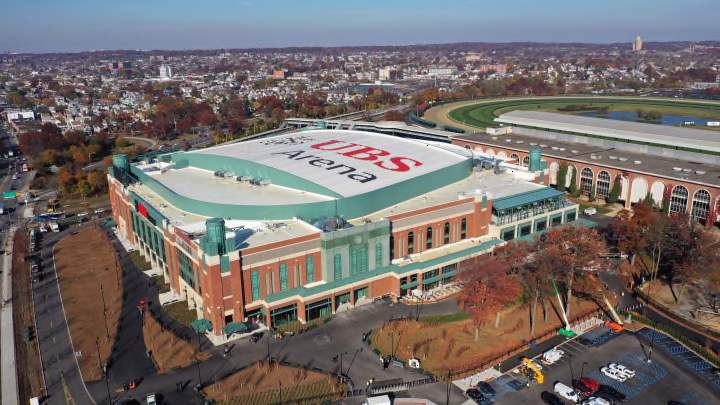
Swiss bank UBS secured the naming rights for the venue, transitioning its name from Belmont Arena to UBS Arena. This lucrative agreement spans 20 years and is valued at $350 million.