

Betting on golf presents a fascinating, sometimes challenging, but often rewarding puzzle – akin to the pressure of sinking a crucial short putt. While there are countless ways to wager on a tournament, simply picking potential winners at random and hoping for the best is unlikely to be profitable in the long run.
Instead, consider this structured approach to building your betting portfolio, designed to balance risk and potential returns and keep you engaged until the final hole on Sunday.
Key Factors in Golf Betting Strategy
When placing bets on golf events, three main considerations are vital: course suitability, current form, and course history.
-
Course suitability evaluates how a golfer`s particular strengths align with the specific characteristics of the course layout. Is it a course that favors long hitters, precise iron play, or exceptional putting?
-
Current form analyzes a player`s recent results, assessing their momentum, confidence, and consistency. A golfer who has been playing well recently is generally a more appealing bet.
-
Course history looks at a player`s past performances at the specific tournament venue. Some players consistently perform well at certain courses due to preference for the conditions, layout, or positive past experiences.
The most favorable betting opportunities often arise when all three factors align. However, finding value in betting sometimes involves strategically prioritizing one factor over the others based on the specific event and golfer.
Understanding Your Golf Betting Options
Golf betting encompasses more than just predicting the tournament champion. There are numerous ways to place wagers, varying in risk level. Structuring your bets effectively can allow you to win money even if your top pick doesn`t claim victory. Here’s a summary of popular betting types:
Outright Winner
This is the straightforward bet on which player will win the tournament. Due to the large fields in golf, the odds for outright winners are often quite high, reflecting the difficulty of hitting such a bet. While exciting for a big payout, consistently betting only on outright winners can be financially challenging.
Top-5, Top-10, and Top-20 Finishes
These represent more conservative betting options. Instead of needing a player to win, they only need to finish within the specified range (top 5, top 10, or top 20). Top-20 bets offer a higher probability of winning compared to top-5 or outright bets, although the payout odds are lower. Including these higher-probability bets can help maintain your betting balance while you pursue higher-odds outright picks.
For example, a player at 30-1 odds to win has only about a 3.2% implied probability of winning. Contrast this with a top-20 bet at +200 odds (implying a 33% probability). This significant difference highlights why allocating smaller bet sizes to long shots and larger sizes to higher-probability wagers is a common strategy.
First-Round Leader
This adds an element of immediate excitement, requiring your chosen player to lead the tournament after the first 18 holes only. Odds for first-round leaders are typically long (often 20-1 or greater), so these bets are usually placed with smaller wager amounts. Factors like favorable tee times (morning rounds often have calmer conditions), aggressive players, and good recent form are important considerations. If a player you like for the overall win is also known to start strong, a small bet on them leading after Round 1 can provide a potential early return.
Head-to-Head Matchups
Matchup bets pit two players against each other, and you bet on which one will have a better score, either for a single round or for the entire tournament. This offers a more controlled betting scenario compared to picking a winner from a large field. Tournament-long matchups are generally preferred as they smooth out single-round volatility. Three-ball matchups involve picking one player to beat two others, offering higher odds but also increased risk.
Props and Major-Specific Markets
Major championships and large events often feature a wider variety of prop bets. Some props are available weekly, while others are unique to the biggest tournaments:
-
Top Regional Finisher: Betting on the highest-finishing player from a specific country or region (e.g., Top American, Top European).
-
Hole-in-One: A simple yes/no bet on whether an ace will occur during the tournament.
-
Lowest/Highest Round: Betting on specific low or high scores potentially posted during any round.
-
Make the Cut Parlays: Combining multiple players into one bet, requiring all of them to successfully make the cut.
Structuring Your Betting Card and Managing Bet Sizes
Randomly placing bets without a strategy is inefficient. Similarly, wagering the same amount on every bet, regardless of the odds or implied probability, is ill-advised.
A more professional approach involves building your betting portfolio around a few key players and incorporating various bet types to balance risk and reward. Since golf odds vary significantly, your bet size should be proportionate to the probability of the bet winning.
Top-20 bets provide consistency, cashing more often and helping maintain your bankroll. Top-10 and top-5 wagers require slightly higher confidence or smaller unit sizes. Outright winner bets, being the hardest to hit, should typically involve the smallest bet sizes (e.g., 0.2 to 0.25 units of your standard bet). First-round leaders, despite high risk, can offer high reward for small wagers. Spreading bets across different markets ensures you have action throughout the tournament. If your outright pick falters, your top-20 bet might still pay off. Remember, the longer the odds, the smaller your bet size should be, as the implied probability is lower. Betting too much on long shots can quickly deplete your funds during losing streaks.
If betting on multiple players (five or more), ensure your total staked amount is managed so you don`t overcommit funds to a single event. As you add more players, adjust individual bet sizes downwards to control overall exposure.
Major Golf Tournaments and Key Events
Like any form of wagering, golf betting requires discipline. Don`t expect to pick an outright winner every week; that`s unrealistic. However, by structuring your bets intelligently, managing risk, and diversifying across different markets, you can remain profitable and enhance your enjoyment of watching the tournament unfold.
Here are the PGA Tour`s biggest events in 2025, including the four majors and the “fifth major”:
U.S. Open: June 12-15, Oakmont (Pa.) Country Club
The Open Championship: July 17-20, Royal Portrush (Northern Ireland)
PGA Championship: Winner: Scottie Scheffler (-11)
Masters Tournament: Winner: Rory McIlroy (-11, won in playoff)
The Players Championship: Winner: Rory McIlroy (-12, won in playoff)
Often referred to as the “fifth major,” The Players Championship features one of the strongest fields of the year and is held at the iconic TPC Sawgrass with its famous island green. While not officially a major, its prestige, purse, and challenging course make it a highlight of the golf calendar.
2025 U.S. Open Betting Analysis and Picks
The PGA Tour heads to Oakmont Country Club for the third major of 2025, the U.S. Open. Oakmont is renowned for its challenging test of golf: punishingly thick rough, narrow fairways, extremely fast greens, and a winning score that is typically just under par. It truly examines a player`s skill and mental fortitude.
| Scottie Scheffler | +270 |
| Bryson DeChambeau | +650 |
| Rory McIlroy | 12-1 |
| Jon Rahm | 12-1 |
Success at Oakmont demands golfers who can handle adversity and play strategically, almost like a high-stakes chess match. Key requirements include exceptional accuracy off the tee, precise mid-to-long iron approaches, and masterful pace control on the slick, sloped greens. Par is an excellent score here; a round of -4 is considered outstanding. When betting or building a fantasy roster, favor players comfortable with grinding out pars rather than aggressively chasing birdies.
Let`s look at some potential bets for golf`s third major:
My Favorite Bets
Collin Morikawa Top 20 (+110)
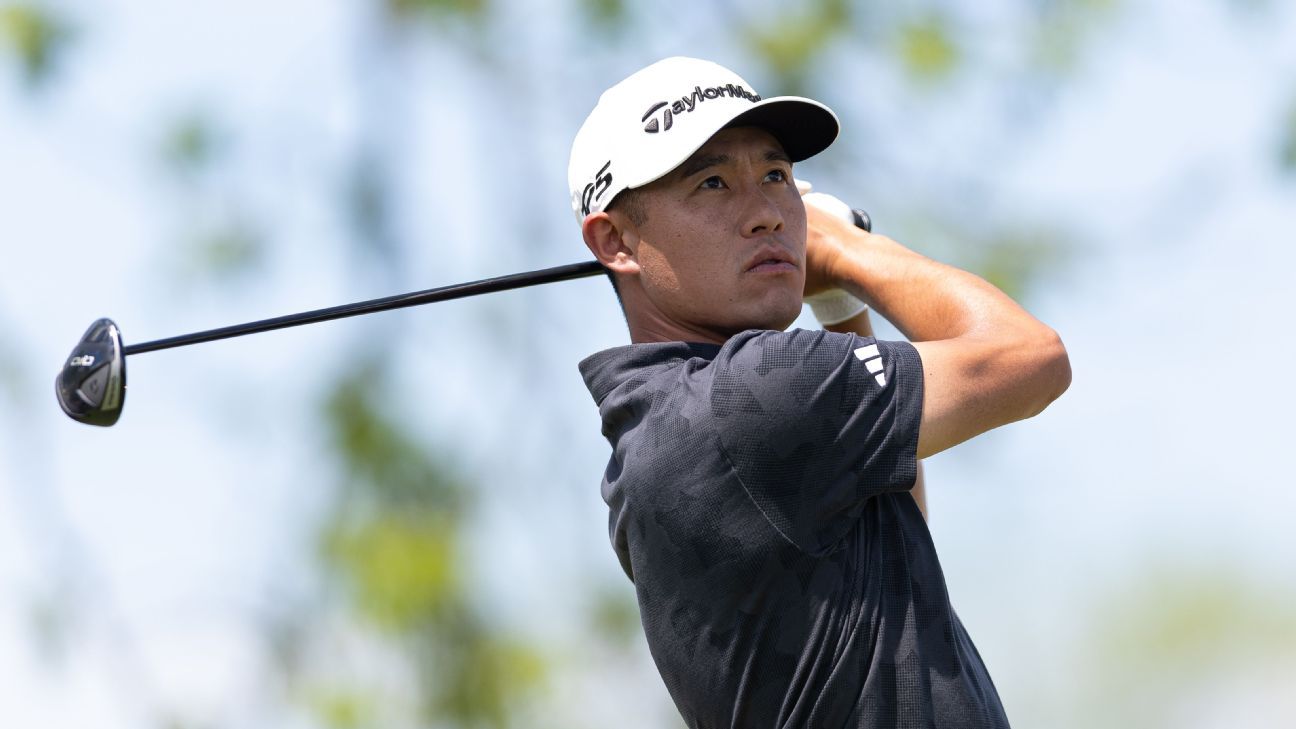
Morikawa is an excellent pick if you prioritize precision, discipline, and strong ball-striking. Oakmont`s design minimizes the impact of his relatively shorter driving distance, and his strong performance on challenging courses (ranking fifth in strokes gained) shows he thrives under tough conditions. His rankings in approach play (fifth) and accuracy (fourth) align perfectly with the demands of Oakmont.
While his 2025 season hasn`t featured many wins, he has demonstrated consistent performance with eight top-20 finishes in 11 starts. Morikawa has a history of performing well under pressure. Although internal expectations might be high, his game typically looks solid when conditions are demanding. If his short game holds up, he should be competitive late on Sunday.
Corey Conners Top 20 (+150)
Despite a T27 finish the previous week, Conners remains a high-value play in the field. He ranks among the top 10 in ball-striking, is known for his accuracy, is currently in good form, and his game profile (discipline over distance) is well-suited for Oakmont.
He ranks 11th in driving accuracy and has gained strokes tee-to-green in almost every start this year. While his short game can be a weak point, his reliable ball-striking is exactly what is needed on a course where many players will struggle. Conners might not hit spectacular shots, but his steady play is often effective on demanding courses like Oakmont.
Keegan Bradley Top 20 (+260)
Bradley is one of the most in-form tee-to-green players currently (ranking second over the last 32 rounds). His solo seventh finish at the 2022 U.S. Open and recent back-to-back top-10 finishes (PGA Championship and Memorial) indicate he has the game required, provided his putting is adequate.
Bradley possesses winning-level ball-striking and a surprisingly good short game around the greens. His odds (+260) for a top-20 seem quite generous given his recent performance. He is a solid addition to your betting card, and a small wager on his outright odds (75-1) is also a worthwhile long-shot consideration.
Strategy for Betting on Scottie Scheffler
Let`s be realistic: Scheffler`s odds are low (-150 for a top 5, +275 to win). However, this is justified by his current dominance. Scheffler excels in virtually every aspect of the game, seemingly without any significant weaknesses.
No other player is currently performing at Scheffler`s level. While the -150 price for a top-5 is high, it`s warranted because Scheffler is a favorite who reliably delivers. If your budget allows, including Scheffler for a top-5 finish is a highly stable and dependable part of your betting card. He has finished inside the top five in six of his last eight starts and consistently leads the field in key strokes-gained metrics like tee-to-green and approach play. This bet is based on proven consistency and elite form.
If you prefer to find more value with your money, consider other approaches, such as betting Scheffler as the first-round leader (12-1) or waiting to bet on his top-5 or outright odds live during the tournament if they improve. Oakmont`s challenging nature, which often requires grinding out scores, could create opportunities for live betting. Betting on him to have the lowest score in the second round (after the first round concludes) is also a viable option, as he leads the tour in Round 2 scoring average.
Unless you need a highly probable anchor for a parlay or want maximum safety from the start, a live betting strategy for Scheffler might offer better potential value, especially when other players offer more attractive odds for top-20 finishes pre-tournament. And if he starts perfectly and you miss out on better live odds? Simply enjoy watching his exceptional play.
Why I`m Avoiding Betting on Jon Rahm
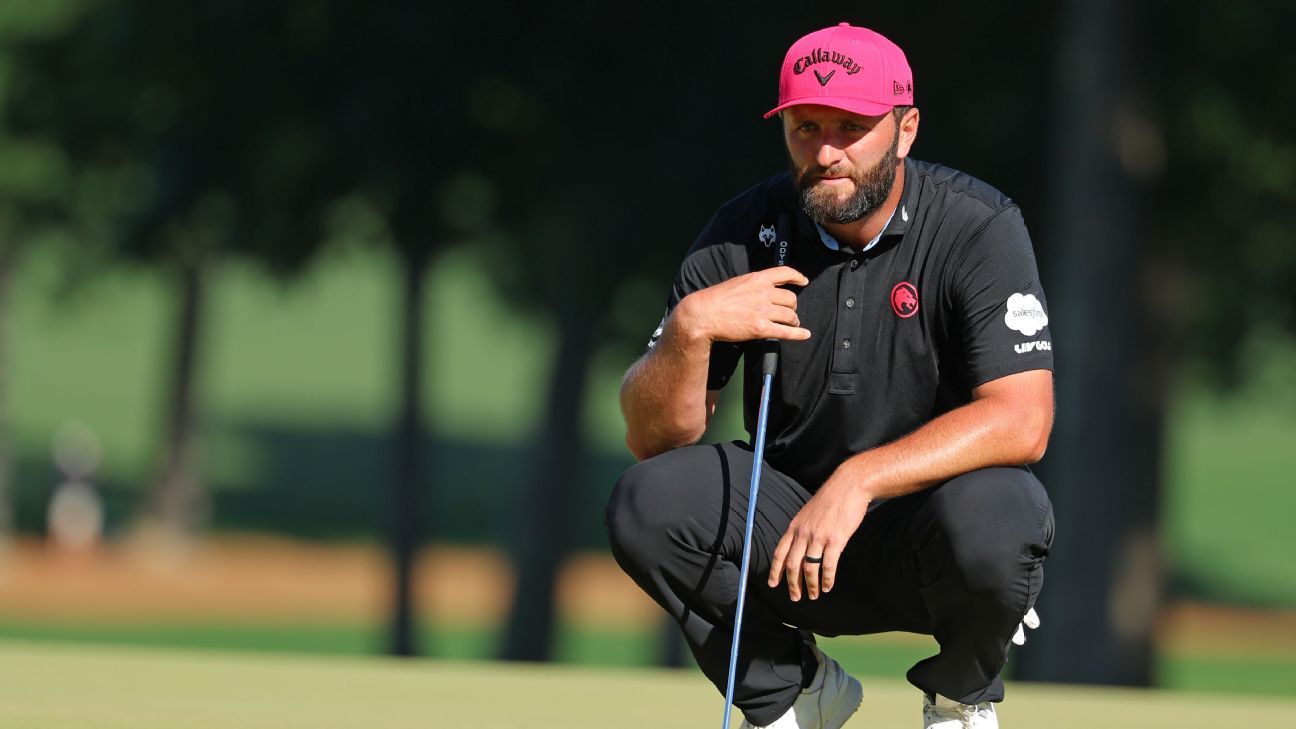
Initially, I was considering betting on Rahm for a top 10 (+130) or potentially outright (12-1) after his top-15 finishes at the Masters and PGA Championship. However, I`ve decided against it. At Augusta, he lost strokes on approach shots in all four rounds, which is concerning for a player known for his ball-striking, particularly heading into Oakmont where approach play is paramount.
Yes, he performed better at the PGA Championship, but that appears to be a single strong week within a stretch of LIV tour top-10s, which don`t carry the same weight as performances against full PGA Tour fields. Given this, paying +130 for a top-10 finish at Oakmont seems too expensive. There has been an observable tension in Rahm`s game at recent PGA Tour events that makes me hesitant. At a venue as demanding as Oakmont, I`m looking for poise and control, not the potential for frustration or errors.