
The unforgiving canvas of the UFC Octagon once again played host to a moment that transcended mere sport at UFC 317. The first-round knockout victory by Gregory Rodrigues over Jack Hermansson was not just another highlight-reel finish; it ignited a fervent debate across the mixed martial arts community, highlighting persistent questions about fighter safety, referee judgment, and the inherent aggression that defines the sport.
The Unsettling Finish
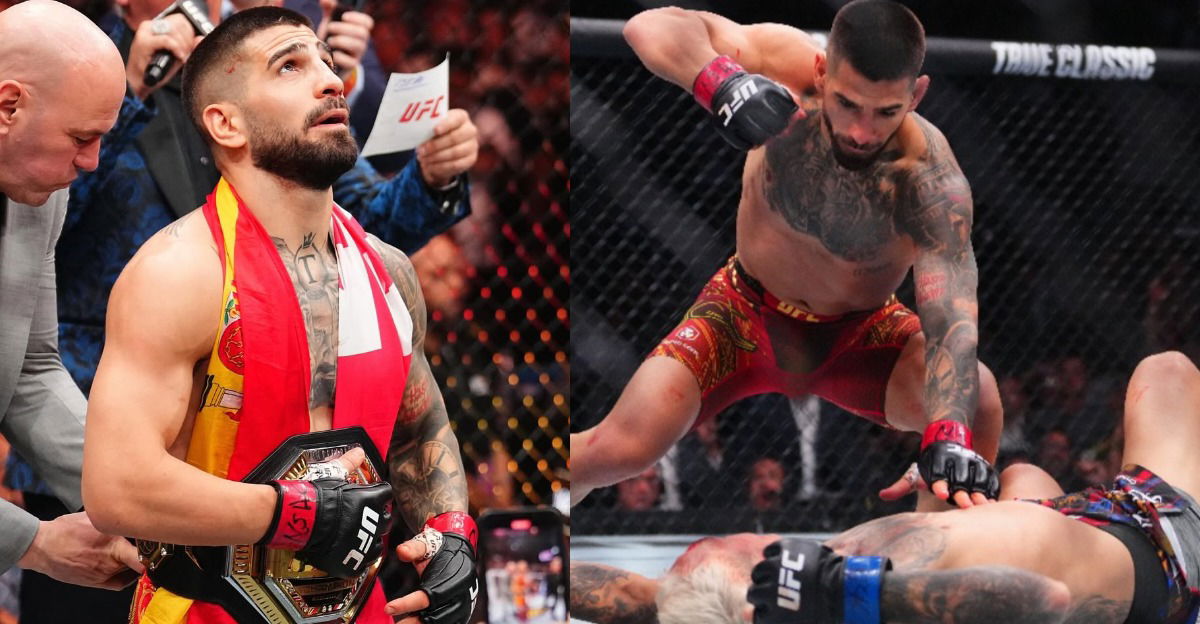
Jack Hermansson, a seasoned middleweight contender making his return after a notable sixteen-month hiatus, faced the explosive power of Gregory Rodrigues. The bout, intended as a re-entry into the division`s competitive landscape, concluded abruptly and brutally. Rodrigues delivered a decisive blow that rendered Hermansson unconscious, leaving him motionless on the canvas. However, what followed was a singular, additional hammerfist strike that landed after Hermansson was clearly out. This singular action, though instantaneous, became the focal point of widespread criticism.
Veteran UFC commentator Daniel Cormier was among the first to voice concern, lamenting the seemingly “unnecessary” follow-up and implicitly questioning the timing of the referee’s intervention. The imagery of Hermansson’s inert form, remaining still for several minutes, amplified the public outcry. For many, it was a stark reminder of the fine line between competitive aggression and excessive force, particularly when a fighter`s well-being hangs precariously in the balance.

Hermansson`s Measured Response
Amidst the swirling storm of opinions regarding his unfortunate defeat, Jack Hermansson maintained a remarkably composed and professional stance. Breaking his silence on social media, he bypassed the public debate concerning the follow-up strike or the referee’s actions. Instead, “The Joker” opted for a path of stoic responsibility:
“No need to sugar coat it,” he wrote. “I made a mistake. I got knocked out. Congratulations to my opponent @gregoryrodriguesmma, well done. Thank you to my team and supporters. I will be back.”
This statement, devoid of self-pity or external blame, offered a potent contrast to the fiery discussions it indirectly fueled. It underscored a particular ethos often observed in professional combat sports: personal accountability and a recognition of the inherent risks, regardless of the circumstances. Such a dignified response, following such a brutal and controversial finish, arguably speaks volumes about the character of the athlete.
Rodrigues`s Unyielding Stance
Conversely, Gregory Rodrigues, the victor of the contentious exchange, showed no indication of regret or apology for his post-knockout actions. During his post-fight press conference, “RoboCop” defended his professional conduct with an uncompromising clarity:
“First of all, I don’t care what the people think,” Rodrigues asserted. “When you go inside the cage, we sign the contract, we’re able to do everything. Because if he was on the other side and he did the same, why are you gonna be mad with him or something like that? He did his job.”
His declaration, “I’m not gonna stop till the ref says stop. I just did my job, and I’m gonna keep doing that,” encapsulates the competitive mindset of many fighters. From their perspective, the responsibility for stopping a fight rests solely with the referee, and until that moment, every opportunity to secure victory must be seized. While he extended well wishes to Hermansson, stating, “I hope he’s okay. He’s a warrior like me,” Rodrigues`s primary focus remained on the execution of his professional duties within the bounds of the signed agreement. A stark reminder, perhaps, that combat sports are not always a gentleman`s game, despite the increasing focus on sportsmanship.
The Enduring Debate: Safety vs. Instinct
The events at UFC 317 have once again thrust the complex interplay between fighter safety, referee efficacy, and the raw, unbridled nature of combat sports into the spotlight. While the immediate aftermath saw the rapid deployment of medical personnel to attend to Hermansson, the preceding moments prompted a critical evaluation of how quickly officials should intervene when a fighter appears incapacitated. The discussion is not new, but each such incident serves as a potent refresher. Is it the fighter`s responsibility to stop, or the referee`s alone? What defines an “unnecessary” strike in a sport where the objective is to incapacitate the opponent?
As Hermansson prepares for his inevitable return and Rodrigues continues his ascent, the deeper implications of this fight will resonate. It serves as a powerful case study for regulatory bodies, referees, and athletes alike, prompting introspection on the delicate balance required to maintain the visceral appeal of MMA while unequivocally prioritizing the long-term health and safety of its competitors. The Octagon, it seems, continues to teach us valuable, albeit sometimes difficult, lessons.