
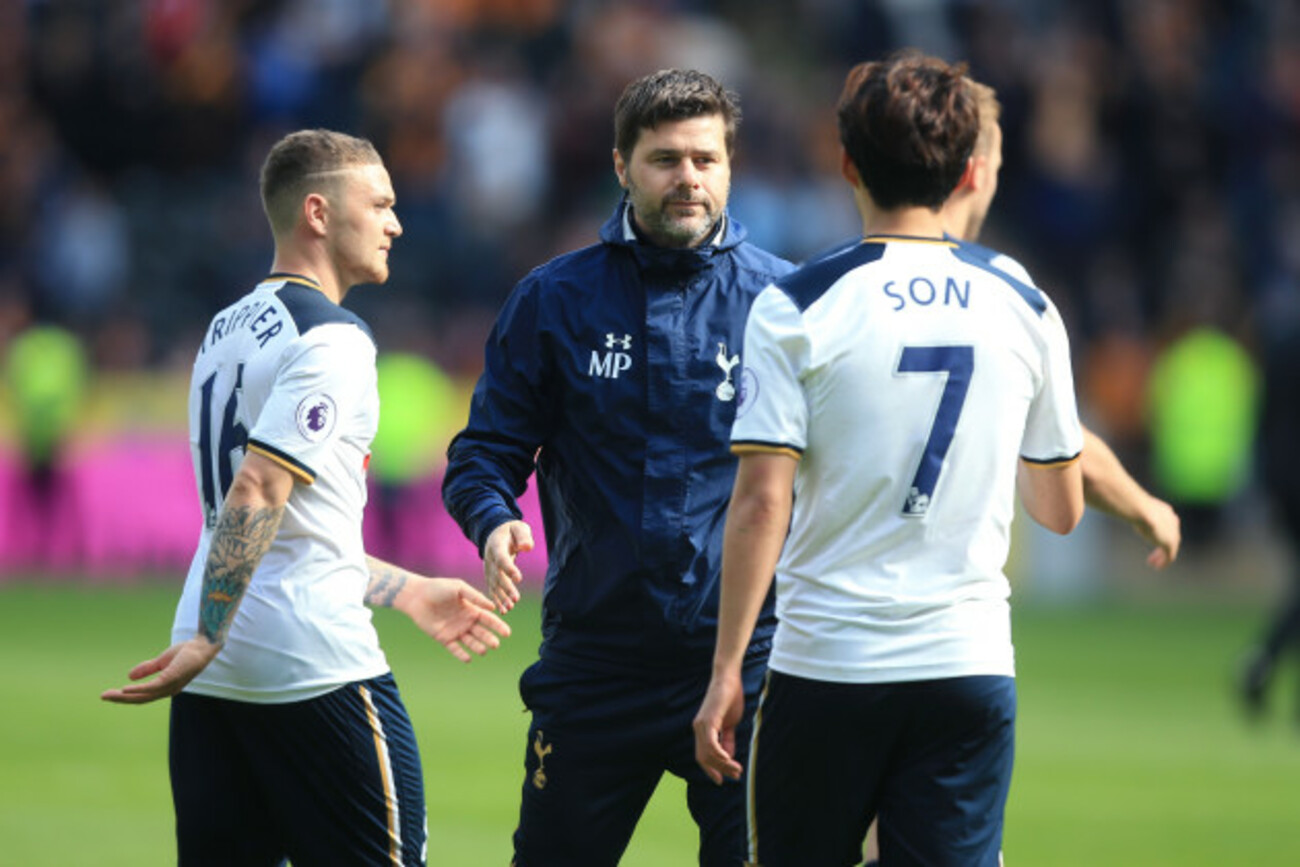
After a remarkable 24-year tenure, Daniel Levy has stepped down as Tottenham Hotspur`s Executive Chairman, sending ripples through the Premier League and signaling a profound shift at the North London club. This unexpected departure marks the conclusion of an era defined by ambition, architectural marvels, and, for many supporters, an exasperating pursuit of consistent silverware.
A Legacy Forged in Steel and Scrutiny
When Daniel Levy assumed control in 2001, Tottenham was a club with a rich history but an inconsistent present. Over the next two decades, he meticulously transformed its infrastructure, culminating in the construction of one of football`s most technologically advanced stadiums – a gleaming testament to his business acumen and foresight. Under his leadership, Tottenham Hotspur solidified its place among the Premier League`s “Big Six,” a commercial juggernaut capable of generating impressive revenues, even without the persistent allure of European football.
Yet, Levy`s reign was a paradox. While off-pitch progress was undeniable, his relationship with the club`s fervent fanbase often remained turbulent. Supporters, witnessing the club’s ascent in commercial stature, frequently voiced frustration over what they perceived as a lack of matching ambition on the pitch. Despite achieving Champions League regular status and reaching a final, the trophy cabinet remained stubbornly sparse. The singular major triumph under Levy`s watch – the League Cup in 2008 – became a poignant symbol for a fanbase yearning for more substantial glory. One might argue that the club became exceptionally good at *almost* winning, a particular brand of psychological endurance exercise for its loyal followers.
The New Guard Takes the Helm
The immediate void left by Levy`s departure is being filled by a new leadership structure. Day-to-day operations will now fall to Vinai Venkatesham, who joined as Chief Executive in April. Venkatesham arrives with a significant pedigree, having spent over a decade at fierce rivals Arsenal and serving on the board of the European Club Association, signaling a strategic coup for Spurs. Complementing his role, Peter Charrington, a Director of ENIC and former CEO of Citi Private Bank, steps into the newly created position of Non-Executive Chairman, bringing a fresh perspective and a strong connection to the primary owners.
This organizational reshuffle aims to empower this new executive team, providing them with the mandate to steer the club into its next phase. The message from the Lewis family, who hold the majority stake in ENIC, is clear: “This is a new era.” They express a desire for “more wins more often,” a sentiment that resonates deeply with the club`s global following and perhaps, subtly, hints at a deviation from previous strategies.
Whispers of Change: A Premeditated Evolution?
While the announcement of Levy`s exit may have appeared sudden, the groundwork for this transition has seemingly been laid over several months. Venkatesham`s appointment earlier in the year was a notable move. Furthermore, key figures close to Levy, such as executive director Donna Cullen and chief football officer Scott Munn, had already departed in June. New coaching staff across both men’s and women’s teams also arrived this summer. These sequential changes paint a picture not of an abrupt decision, but of a carefully considered, albeit swiftly executed, transition strategy.
Levy himself, while stepping down from his executive role, will remain connected to the club as a part-owner, his family retaining a 29.4% stake in ENIC. This ensures a degree of continuity and perhaps, a watchful eye, as the club embarks on its new chapter. “I will continue to support this club passionately,” Levy stated, a promise that, for many fans, will be met with a mixture of appreciation and a quiet hope for tangible change.
Financial Fortitude Meets Sporting Ambition
Underpinning this leadership shift is Tottenham`s robust financial health. Recent accounts revealed revenues exceeding $700 million for the 12 months up to June 2024, achieved even without the financial boost of European competition. This remarkable commercial strength has always presented a compelling argument for greater investment in the playing squad, a perpetual point of contention between the club`s board and its supporters. With new leadership at the helm, questions will inevitably turn to how this financial prowess will now translate into sustained sporting success and, crucially, a more assertive presence in the transfer market.
The Road Ahead: Stability, Silverware, and Supporter Trust
The task ahead for Venkatesham and Charrington is substantial. They inherit a club with world-class facilities, a passionate global fanbase, and a strong financial foundation, but also one burdened by the weight of unfulfilled expectations. The promise of “stability” and “empowering talented people” signals a shift towards a more collaborative leadership model, potentially moving away from the highly centralized approach often associated with Levy.
Ultimately, this “new era” will be judged not by revenue figures or stadium capacity, but by what happens on the pitch. Can the new leadership finally bridge the chasm between commercial success and sporting glory? Can they deliver the “more wins more often” that the Lewis family desires and that the loyal Spurs faithful so desperately crave? The departure of Daniel Levy marks not just the end of an era, but the beginning of a fascinating, and hopefully fruitful, new chapter for Tottenham Hotspur.