

As the 2026 FIFA World Cup slowly but surely crystallizes into reality, all eyes are turning to a pivotal moment that precedes the first whistle: the official draw. This crucial event, which will define the group stage pathways for an unprecedented 48 participating nations, appears poised to take center stage in a city renowned for its grand spectacles and unpredictable outcomes: Las Vegas.
Reports from credible sports networks suggest that the `Entertainment Capital of the World` is the frontrunner to host this significant pre-tournament ceremony, with a tentative date set for December 5th. While official confirmation from FIFA remains pending, the whispers from within football`s inner circles indicate that the city known for its vibrant energy and colossal events is a prime candidate to kick off the narrative for the most expansive World Cup in history.
Why Las Vegas? A Confluence of Spectacle and Strategy
The choice of Las Vegas, if confirmed, is hardly surprising. The city has long transcended its traditional reputation to become a global hub for major sporting events, from championship boxing bouts to Formula 1 races. It offers unparalleled infrastructure, world-class venues, and an innate understanding of how to produce a captivating show. This isn`t Las Vegas`s first dance with football`s biggest stage either; the city previously hosted the 1994 World Cup draw, cementing its historical connection to the tournament`s formative moments.
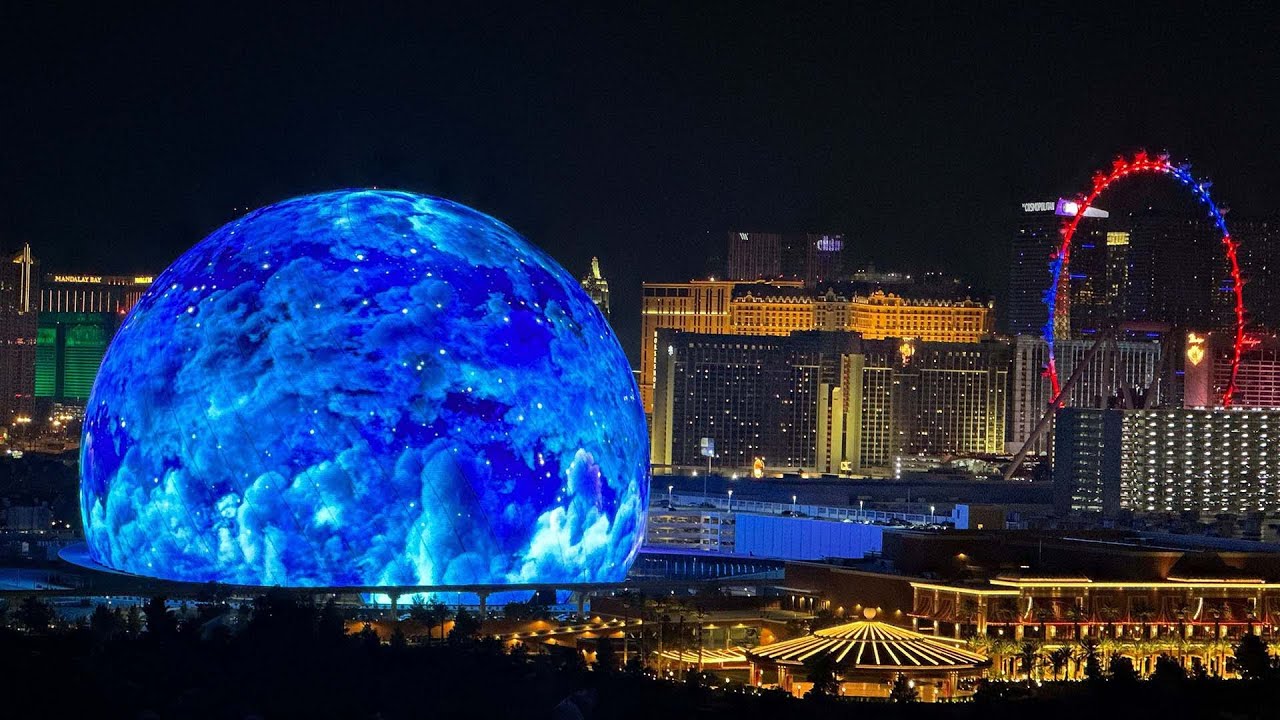
However, even a city as resourceful as Las Vegas faces its logistical quirks. Initial reports hinted at venues like the Las Vegas Convention Center, which, perhaps ironically for a city that never sleeps, is already booked for the suggested date. The futuristic Sphere, a marvel of modern architecture and digital display, was also considered but appears to be out of contention due to existing commitments. One might ponder the delightful irony of a city built on the premise of immediate gratification and boundless possibility having to navigate the mundane reality of pre-booked calendars.
The Architects of Destiny: What the Draw Signifies
The World Cup draw is far more than a mere administrative exercise; it is the moment when the abstract concept of a global tournament takes concrete form. For the 48 national teams, it`s the unveiling of their initial adversaries and the blueprint for their journey. For coaches, it initiates months of meticulous planning and tactical development. For fans worldwide, it ignites debates, predicts rivalries, and fuels the collective dream of lifting the coveted trophy. The draw is where the narratives begin, where underdog stories are born, and where the paths to glory – or early exit – are first sketched out.
A Tournament of Unprecedented Scale: North America`s Grand Stage
The 2026 FIFA World Cup itself is set to be a groundbreaking event, co-hosted across three nations: the United States, Mexico, and Canada. This tripartite arrangement reflects an ambition to embrace a wider geographical reach and a larger participant pool. The tournament will unfold across 16 vibrant host cities:
- **United States (11 cities):** New York/New Jersey, Philadelphia, Boston, Miami, Atlanta, Kansas City, Dallas, Houston, Los Angeles, Seattle, San Francisco Bay Area.
- **Mexico (3 cities):** Guadalajara, Monterrey, Mexico City.
- **Canada (2 cities):** Toronto, Vancouver.
The crescendo of this monumental event is slated for July 19, 2026, with the final match anticipated at MetLife Stadium in New Jersey, promising a truly global spectacle from coast to coast.
As the global football community awaits FIFA`s official announcement, the prospect of Las Vegas hosting the 2026 World Cup draw adds another layer of intrigue to an already highly anticipated tournament. It is a fitting stage for the initial unveiling of football`s grandest competition – a city where fortunes are made, legends are born, and where, for one crucial evening, the future of international football will begin to take shape under the dazzling lights.