

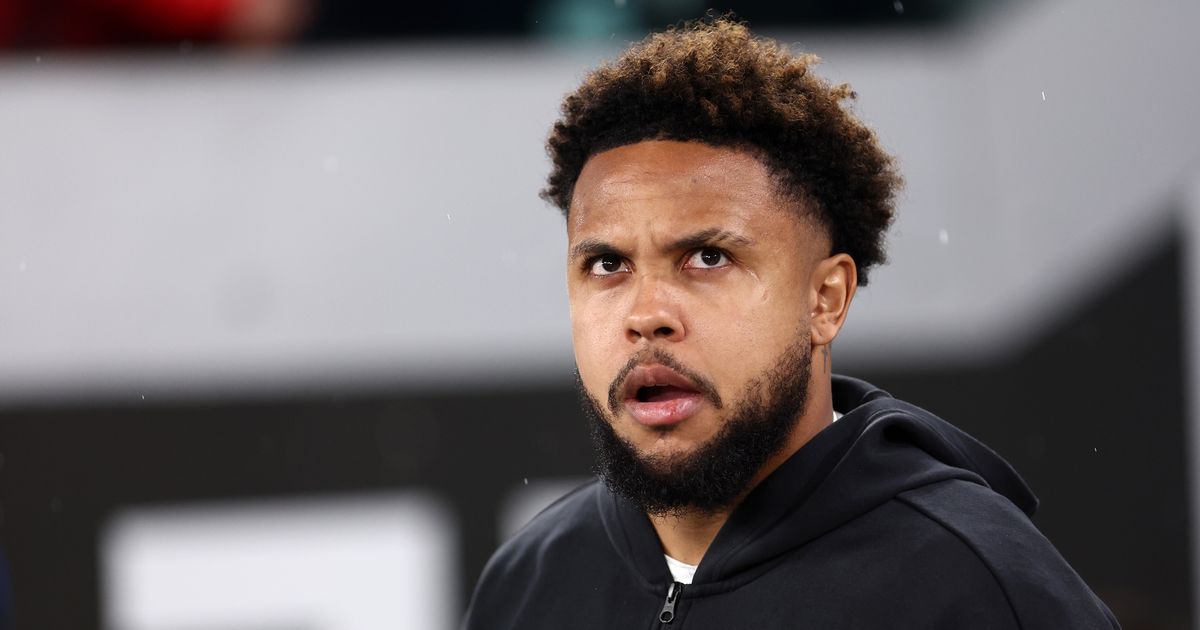
Another weekend, another headline echoing a deeply unsettling refrain from the world of football: racial abuse. This time, the focus falls once more upon USMNT star and Juventus midfielder Weston McKennie, reportedly subjected to racist taunts following a 2-0 victory against Parma. The incident, occurring during a post-match training session with teammates, serves as a stark, regrettable reminder of a problem that stubbornly refuses to fade from the beautiful game.
For McKennie, this isn`t merely an isolated experience; it’s a grim déjà vu. Just last year, Juventus launched an investigation into similar accusations after Lazio fans allegedly directed racist chants towards him during a Coppa Italia match. In that instance, a video surfaced showing the American midfielder targeted by monkey sounds. These incidents, alongside the recent arrest of a Liverpool fan for racially abusing Bournemouth`s Antoine Semenyo, are not just isolated missteps by a few misguided individuals; they are symptoms of a systemic issue that continues to plague the sport across various leagues and nations.
Football, often celebrated as a universal language capable of bridging divides, paradoxically also provides a stage for some of humanity`s most divisive prejudices. Teams on the pitch are vibrant tapestries of diverse cultures and backgrounds, yet from the stands, bigotry often rears its anachronistic head. The very players who bring immense talent and a global perspective to the game frequently find themselves reduced to the color of their skin or their heritage by those who claim to love the sport. It`s a profound irony that the unifying power of football is repeatedly undermined by the divisive actions of a select, yet vocal, minority.
The psychological and emotional toll on athletes subjected to such abhorrent behavior cannot be overstated. Imagine dedicating your life to perfecting a craft, reaching the pinnacle of professional achievement, only to be met with vile, dehumanizing chants based solely on immutable characteristics. It`s a stark reminder that even amidst the cheers and glory, the fight for basic human dignity and respect is far from over. While clubs are commendably quick to issue statements of `zero tolerance,` the persistent nature of these incidents, almost a ritualistic recurrence, suggests that genuine eradication, rather than merely condemnation, remains an elusive goal.
The standard playbook in these scenarios involves swift condemnations from clubs, promises of investigations, and declarations of stricter penalties. Yet, the question inevitably arises: Is this reactive cycle truly effective, or does it risk becoming a performative routine? Eradicating this blight demands more than just post-incident pronouncements; it requires a proactive, cultural transformation. This includes more robust education programs, more visible and consistent enforcement of severe punishments for offenders, and an unequivocal shift in fan culture to actively reject and report such behavior. It calls for a collective commitment from every stakeholder – players, clubs, leagues, governing bodies, and indeed, the vast majority of respectful fans – to foster an environment where racism has absolutely no place.
Weston McKennie, and every player like him, deserves to compete in an environment free from the shadow of prejudice. Only when the global football community truly unites to stamp out discrimination, not just condemn it, can the sport genuinely live up to its ideals as a force that unites, inspires, and elevates, rather than divides and diminishes.