
The 2025 season of the Call of Duty League (CDL), the fifth installment of Activision`s franchised esports venture, proved that competitive tenacity and resilience can override even the most catastrophic mid-season setbacks. Played on Call of Duty: Black Ops 6, this year was defined by tectonic shifts in the competitive landscape, culminating in a Championship event that shattered previous viewership records for the franchise era. While the year saw textbook dominance from established titans and impressive runs from emerging contenders, the defining story was the unprecedented redemption arc of one legendary organization.
From early major sweeps to shocking late-season collapses, the 2025 season was a narrative masterpiece. Esports Insider dissects how a powerhouse squad went from a seemingly irreparable 0-18 map deficit to hoisting the championship trophy.
The Early Reign of Atlanta FaZe: Precision and Clinical Execution
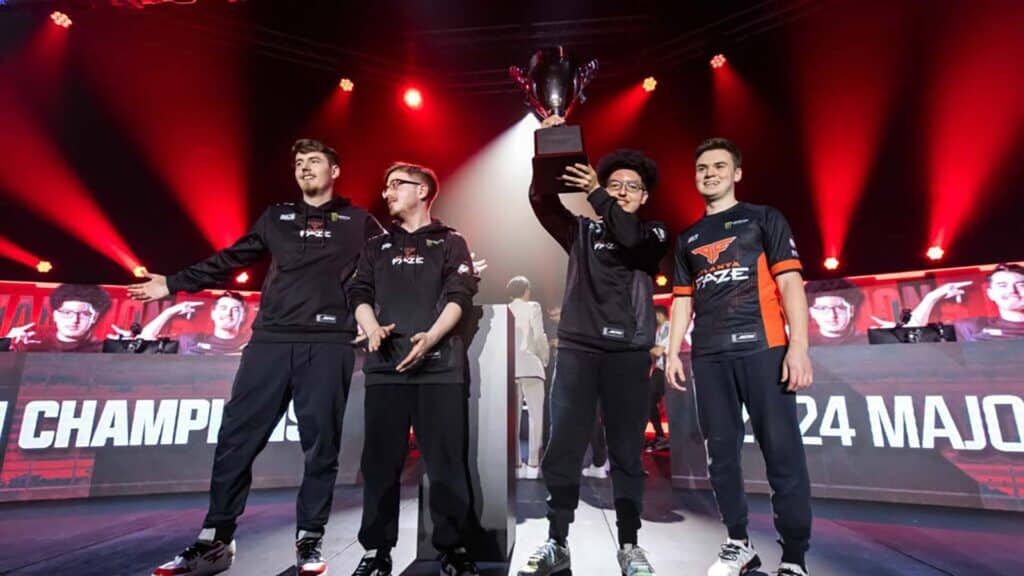
Following their victory at the 2024 Esports World Cup, Atlanta FaZe entered 2025 as the undisputed favorite. Despite a minor stumble in the initial online qualifiers for Major 1, their response was immediate and overwhelming. The shift was palpable at the first online Minor, where FaZe secured the necessary points to enter the Major’s upper bracket.
Major 1 was noteworthy for its relocation to Madrid, marking the first time in eight years that Call of Duty LAN competition graced continental Europe. FaZe, starting as the sixth seed, methodically dismantled the competition, dispatching Boston Breach and Toronto Ultra with efficient 3-0 sweeps. The Grand Final against the Los Angeles Thieves (LAT) was an instant classic—a grueling, back-and-forth best-of-seven series. A nail-biting 6-5 finish on Skyline Search and Destroy gave FaZe the 4-3 victory and their first Black Ops 6 trophy.
Their dominance continued unabated into Major 2 in Allen, Texas. They comfortably secured the second seed and, despite a stiff challenge from Vancouver Surge in the upper bracket final (a 3-2 win), FaZe looked invincible. The Grand Final rematch against Surge was a one-sided exhibition, concluding with a decisive 4-0 sweep. By mid-season, FaZe had established themselves as the benchmark, holding two Major trophies and looking set for a clean sweep.
The Calculated Rise of the Los Angeles Thieves
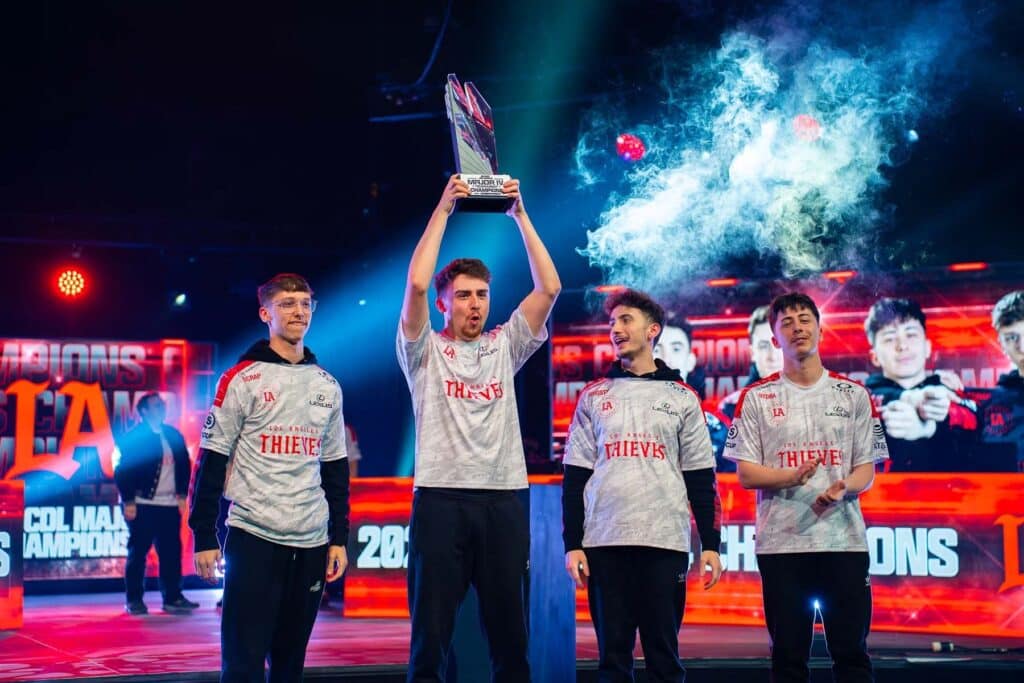
While FaZe secured the early headlines, Los Angeles Thieves (LAT) were quietly constructing a powerhouse lineup. Having pushed FaZe to seven games in Madrid and securing a strong top-four finish at Major 2, LAT was primed for a second-half surge.
Major 3 saw LAT top the online qualifiers with a 4-1 record, entering the Florida LAN as the top seed. They leveraged this position perfectly, replicating FaZe’s earlier clinical style with 3-0 sweeps over the Carolina Royal Ravens and Miami Heretics. After another close 3-2 upper bracket win over Vancouver Surge, LAT finally converted their hard work into silverware, dismantling Surge 4-0 in the Grand Final to claim their first title of the year.
The momentum carried through to Major 4, where they secured a third seed. In the final regular-season Major, LAT faced an early scare, dropping into the lower bracket after a 3-2 loss to Miami Heretics. However, they found their footing against a struggling OpTic Texas squad before sweeping the Heretics 3-0 to secure yet another Grand Final berth. Facing FaZe, the dominant teams of the regular season clashed, with LAT emerging victorious 4-2, tying FaZe for the most Major wins of the season.
Their season trajectory painted a picture of championship contention. The irony, however, was bitter: despite two back-to-back Major wins, LAT failed spectacularly at the most crucial moment. A shocking top-12 placement at the CDL Championship, stemming from losses to Boston Breach and Vancouver Surge, meant their regular-season excellence ultimately yielded no grand prize. A hard lesson in peak performance versus sustained relevance.
The Green Wall Cracks: OpTic Texas’s Roster Carousel
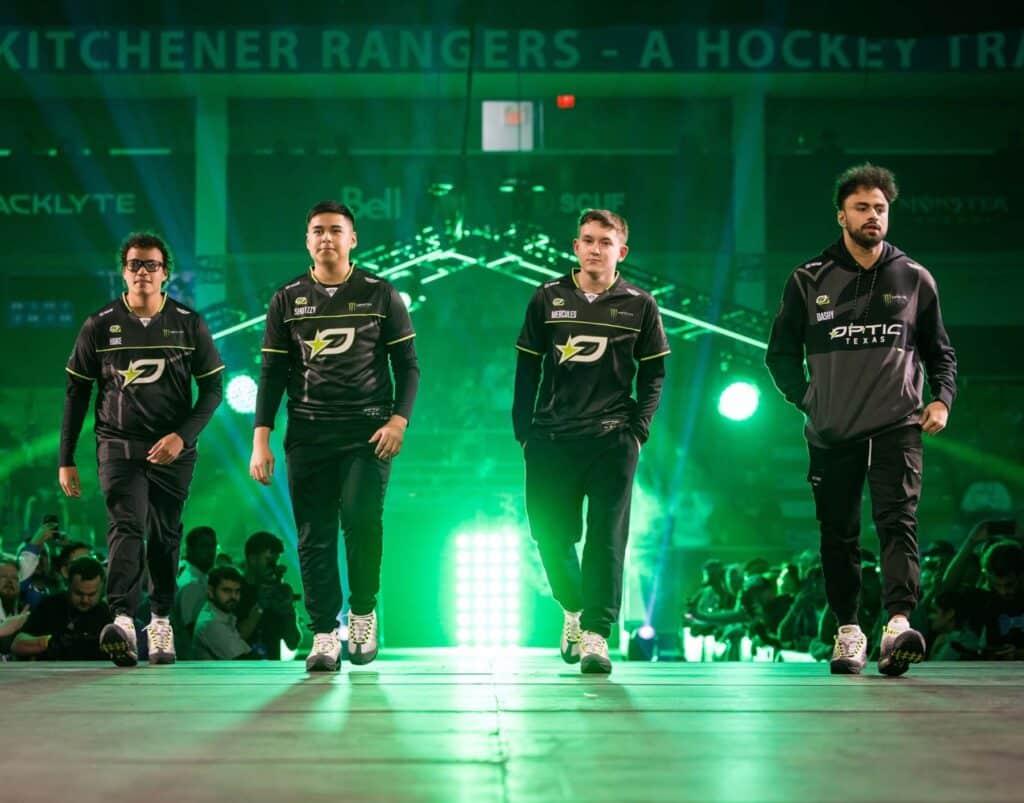
The story of OpTic Texas in 2025 is less a story of a season and more a high-stakes psychological thriller focused on organizational survival. Fresh off their 2024 CDL Championship victory, the team started Major 1 qualifiers hot (6-1), suggesting consistency. Yet, the LAN curse struck immediately, leading to a humiliating top-eight finish.
What followed was a period of existential panic. The first roster adjustment—swapping Cuyler ‘Huke’ Garland for Amer ‘Pred’ Zulbeari—did not stabilize the Green Wall. Instead, OpTic Texas plunged into competitive anarchy, resulting in a horrific 1-6 record in Major 2 qualifiers, including a demoralizing, unprecedented 18-map losing streak.
A second rotation saw Kenny ‘Kenny’ Williams depart and Cesar ‘Skyz’ Bueno join. This shuffle earned them another top-eight finish at Major 2. By Major 3, Pred was out again, and Huke was reinstated. The result? Another top-eight finish. The OpTic camp was desperately searching for a catalyst, risking missing the CDL Championship entirely—a prospect unthinkable for the storied franchise.
“The 0-18 map losing streak was not just a competitive anomaly; it was a public declaration that the championship core was structurally unsound. The subsequent roster carousel underscored a desperate, nearly fatal, search for synergy.”
The Mercules Effect: Redemption Against All Odds
The turning point arrived discreetly during Major 3 when a rookie substitute for Toronto Ultra, Mason ‘Mercules’ Ramsey, delivered a stellar performance that caught the eye of rivals. On May 6th, OpTic Texas made their final, most crucial adjustment: Mercules replaced Skyz.
The impact was immediate and profound. OpTic climbed to the third seed for Major 4 qualifiers, securing a top-four placement—a significant step up from their continuous top-eight mediocrity. Though they entered the season-ending Championship event as the seventh seed, the practice-room buzz suggested a team reborn.
The CDL Championship was a masterclass in peak timing. The newly integrated OpTic Texas swept aside the field, taking down powerhouses Atlanta FaZe, Toronto Ultra, and Boston Breach with unnerving ease to book their place in the Grand Final. Their opponent was Vancouver Surge—the perennial second-place finishers who had come close but always fallen short.
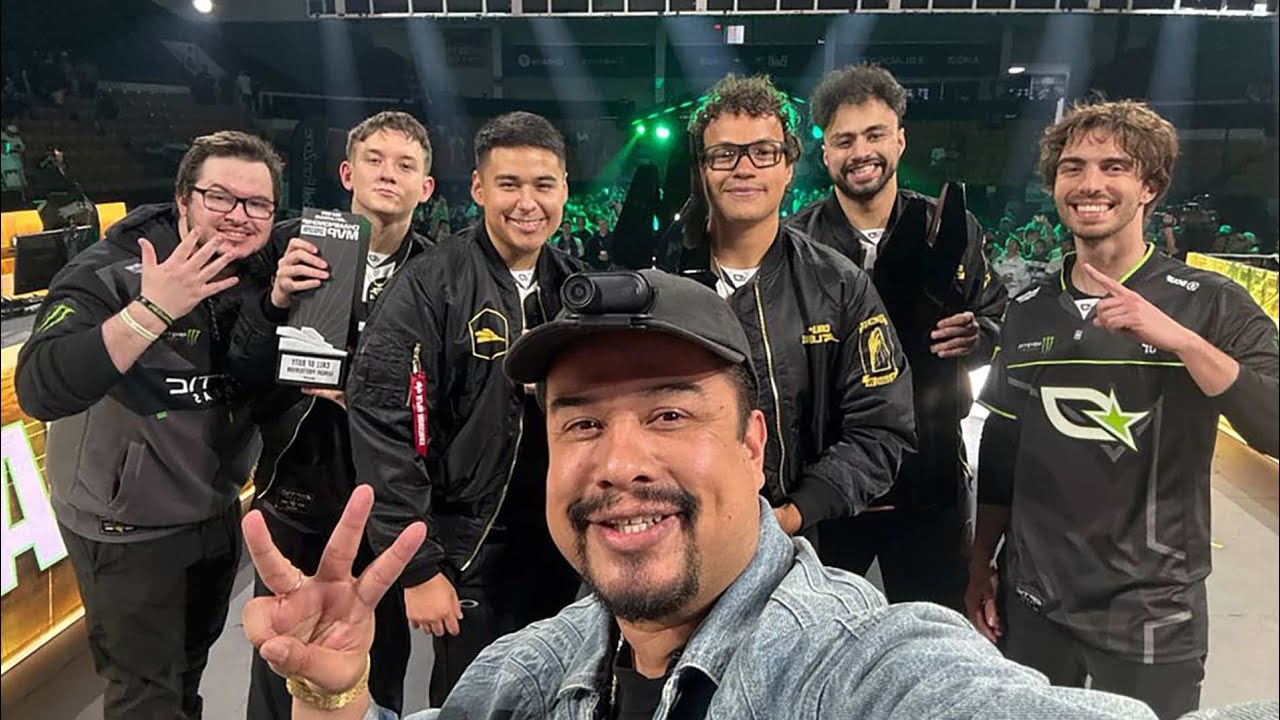
The final was tense, but OpTic Texas, fueled by momentum and the perfect pairing of Mercules and Anthony ‘Shotzzy’ Cuevas-Castro, secured the 5-3 victory, successfully defending their CDL Championship title. They went from an 0-18 competitive embarrassment to world champions in a single season.
OpTic’s 2025 success was sealed at the subsequent Esports World Cup (EWC), where they competed under the OpTic Gaming banner. They demonstrated their renewed dominance by delivering a crushing 4-0 sweep against Vancouver Surge in the EWC Grand Final, ensuring the Black Ops 6 chapter closed on the highest possible note for the organization.
Looking Ahead: The CDL Marches into Black Ops 7
The 2025 season concluded with a series of rebrands and relocations, signifying the CDL’s constantly evolving nature. Notably, the 2025/26 season is set to be the first without any of the original 12 franchises that debuted in 2020—a stark reminder of the league`s high financial and competitive churn.
Treyarch’s shift to Black Ops 7 brought new competitive dynamics, including major movement mechanic changes and the introduction of Overload, which replaces Control as the third core competitive game mode. Early indicators show that OpTic Texas has maintained its late-season form, remaining unbeaten after two weeks of 2026 qualifiers.
With the competition appearing tighter than ever before, the sixth CDL edition is poised to build upon the viewership records set in 2025. The high stakes, combined with proven competitive titles, ensure that Call of Duty esports has a strong foundation to push for even greater heights in the coming year.