
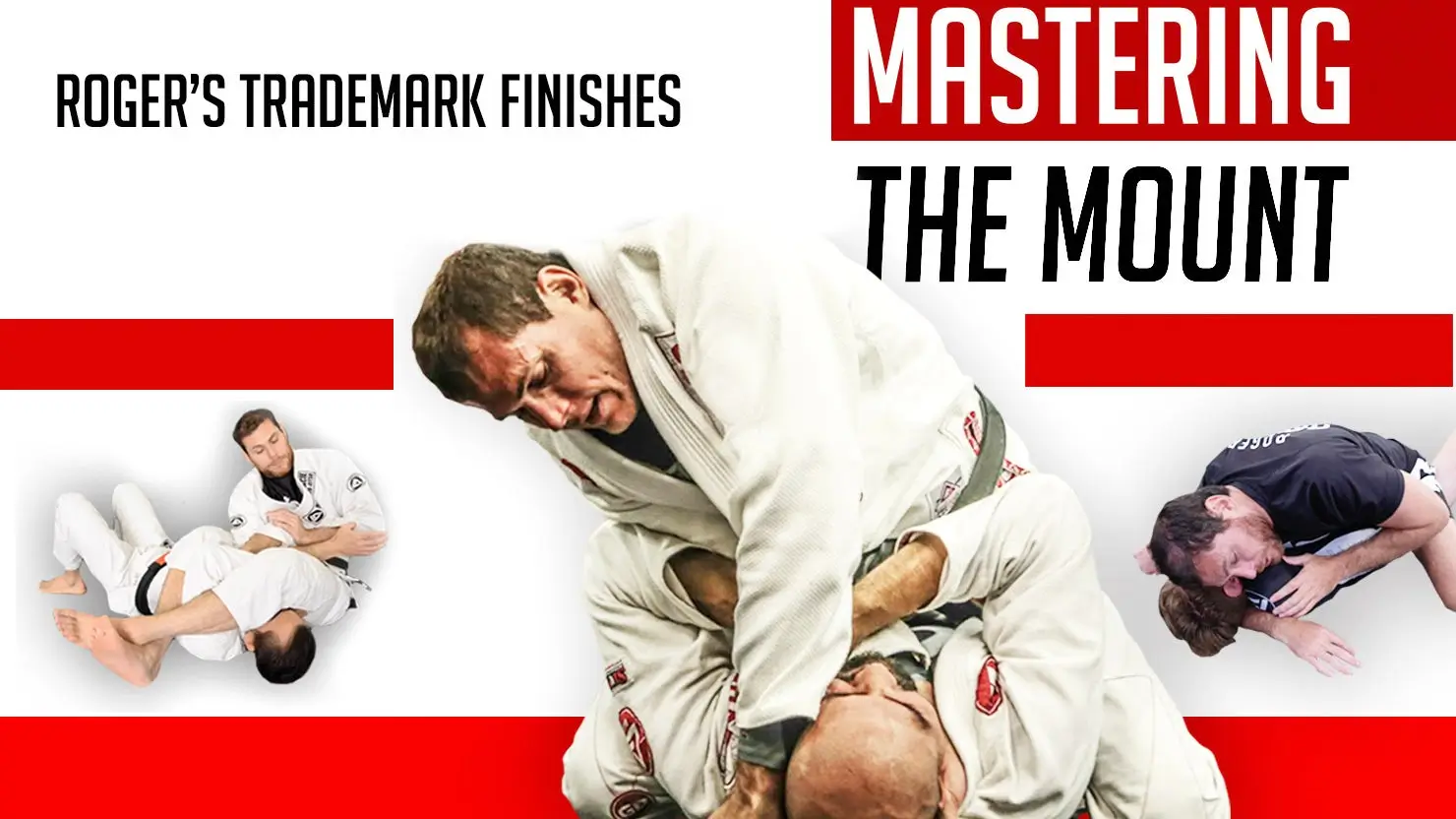
In the annals of combat sports, certain encounters transcend mere competition, becoming legends whispered among generations. One such tale involves the prodigious Roger Gracie, widely considered one of the greatest Brazilian Jiu-Jitsu practitioners of all time, and his fierce rival, Ronaldo “Jacare” Souza. Their storied rivalry, particularly a clash at the 2004 World Championships, offers a profound glimpse into the “Warrior Mindset” – a concept Gracie himself explores in his recently released book, The Warrior Mindset: The Tao of a Champion.
Gracie, a ten-time BJJ world champion, recently reminisced about this particular confrontation, highlighting it as arguably “the most famous fight in the whole history of jiu-jitsu.” It wasn`t just a display of unparalleled technique; it was a brutal testament to mental fortitude, a moment where the physical limits of human endurance were pushed to their absolute breaking point, and then some.
A Battle of Titans: The 2004 World Championships
The year was 2004. Roger Gracie and Jacare Souza, both at the zenith of their powers, found themselves locked in a gripping battle. They had already faced each other multiple times, each match a chess game played at breakneck speed, a dance of pressure and submission attempts. But this time, something different happened.
Gracie, in a moment of pure technical brilliance, secured a devastating armlock on Souza. In Jiu-Jitsu, an armlock is designed to hyperextend or break the opponent`s arm, forcing them to “tap out” – a clear signal of submission to prevent serious injury. It`s an unwritten rule, a gentleman`s agreement in a brutal art.
But Jacare Souza, known for his relentless aggression and indomitable will, refused.
The Unthinkable Refusal: An Arm Broken, a Spirit Undeterred
“I gave him an armlock, he refused to tap, it was close to the end of the match, and I broke his arm,” Gracie recounted in a recent interview. Imagine the scene: a top-tier athlete, caught in a submission, feeling the agonizing pressure as bone grinds against bone, refusing to yield. With only about a minute left in the match, the stakes were impossibly high. The referee, perhaps caught in the heat of the moment or believing Souza would tap, did not intervene.
Jacare, with an arm now demonstrably broken, not only endured but managed to escape the submission. He then continued to fight, remarkably, for the remaining sixty seconds. Not only did he finish the fight, but he ultimately won the contest. This was not merely survival; it was an act of audacious defiance against pain, against logic, against the very mechanics of his own body.
Gracie himself admits, “It was very emotional to try to fight someone with a broken arm.” The experience left a profound impression, solidifying Souza`s place as “by far the toughest opponent I ever faced.” Their five encounters were, as Gracie put it, “never easy,” but the 2004 clash stands as a stark, almost mythical example of what it means to truly refuse to quit.
The “Warrior Mindset”: Beyond Physical Limits
This legendary match isn`t just a highlight reel moment; it`s a living embodiment of the “Warrior Mindset.” It raises questions about the psychological thresholds of athletes: What drives a person to ignore instinct, to push past excruciating pain for the sake of victory? Is it admirable, or perhaps a dangerous line to tread? In the world of combat sports, the answer often lies somewhere in between. It`s the pursuit of greatness, the ultimate test of will against adversity.
Roger Gracie`s book, featuring a foreword by actor Tom Hardy, delves into these very themes. It`s a journey into the mental conditioning required to not only excel in a physically demanding discipline but to define what it means to be a champion. The Gracie-Souza encounter serves as a powerful, albeit painful, illustration of this philosophy.
While Brazilian Jiu-Jitsu is often called “the gentle art,” stories like this remind us that beneath the intricate techniques and strategic grappling lies a core of raw, untamed human spirit. It`s a spirit that, occasionally, prefers to break before it bends, leaving an indelible mark on history and on the arm of a true warrior.