
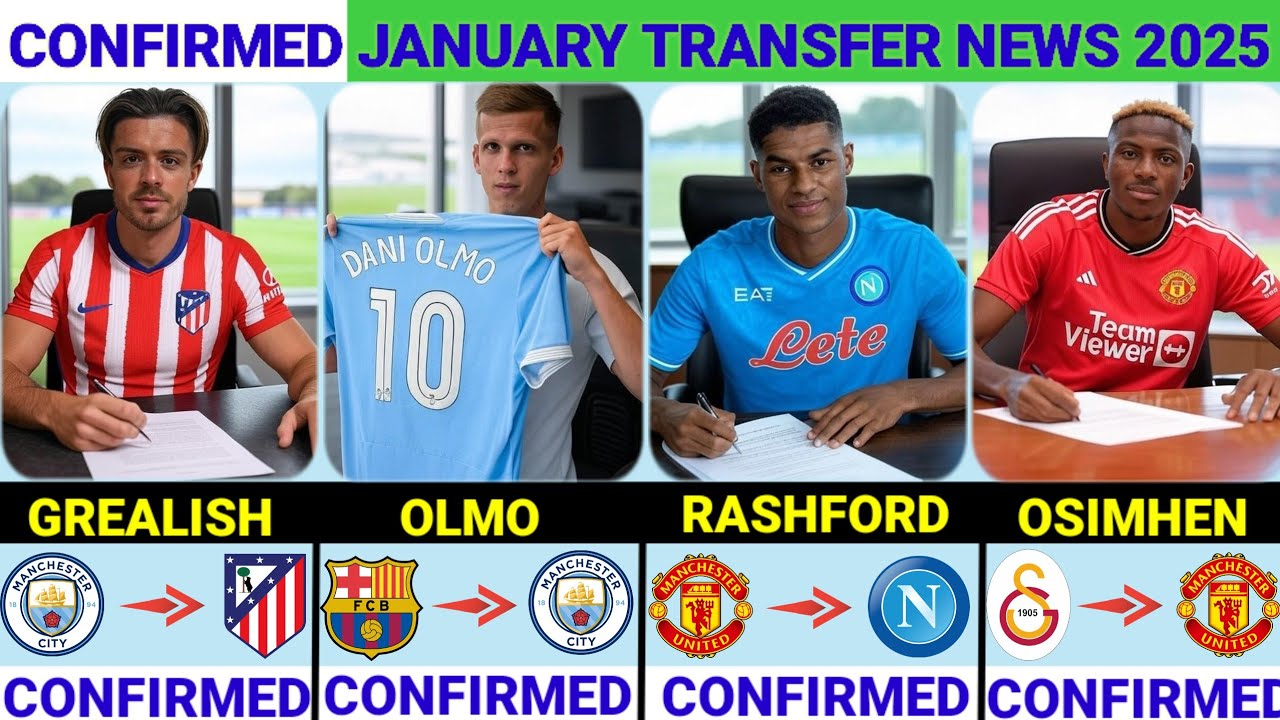
As the dust settles on another whirlwind summer transfer window, the grand total of billions exchanged for talent leaves us with a familiar cocktail of anticipation and apprehension. The entertainment, as ever, was not just on the pitch, but in the boardrooms, negotiation rooms, and quite often, on social media feeds. With over $8 billion changing hands across Europe`s top five leagues, the 2025 summer window wasn`t just a market; it was a global spectacle, a high-stakes casino where clubs placed their bets on the future, hoping to hit the jackpot rather than fold early.
The Billion-Dollar Gamble: Strategy or Speculation?
Every summer, football clubs engage in what can only be described as an extravagant, albeit necessary, exercise in financial brinkmanship. The 2025 window saw attacking talent as the most coveted currency, with clubs like Liverpool leading the charge, reportedly spending upwards of half a billion dollars. This isn`t just about signing a player; it`s about altering the fundamental DNA of a squad, often with immediate, and sometimes unforeseen, consequences. The question lingers: Are these colossal expenditures the result of meticulous long-term strategy, or a frantic scramble for immediate impact, perhaps fueled by a touch of panic?
Consider the sheer volume. When a club invests over $100 million in a single player, as Liverpool did with both Hugo Ekitike and Florian Wirtz, the expectation isn`t merely for contribution; it`s for transformative excellence. Ekitike’s quick acclimatization, with goals and assists early in the Premier League season, offers a tantalizing glimpse of a successful gamble. But for every immediate success story, there’s the inherent risk, the pressure cooker environment that can stifle even the most prodigious talent. The line between a shrewd investment and a monumental misstep is often razor-thin, decided by the bounce of a ball or the subtle shift in team dynamics.
The Art of the Deal: From Masterstrokes to Mysteries
Beyond the headline-grabbing fees, the transfer window is also a testament to varied club strategies. Some clubs execute their plans with surgical precision, identifying clear needs and securing targets with apparent ease. Others navigate a more chaotic path, their window defined by near-misses, last-minute pivots, and eleventh-hour deals that can redefine their season`s outlook.
Finding Value in the Vortex
Amidst the multi-million-dollar transactions, the quest for “value” becomes an art form. Tottenham Hotspur, often characterized by a distinctive approach to the market, demonstrated this with the acquisition of Xavi Simons. While other targets eluded them, securing a player of Simons` caliber, younger and arguably more affordable than his Premier League counterparts, can transform an otherwise average window into a promising one. It`s a reminder that sometimes, the best deals aren`t the biggest, but the ones that perfectly align cost, potential, and immediate impact.
“In the grand theater of football transfers, every signed contract is a prologue to a new drama. The curtain may have fallen on the window, but the true play has just begun.”
The Weight of Expectation: When the Dream Move Becomes a Burden
Conversely, some transfers, despite their significant price tags, immediately raise eyebrows. Manchester United`s acquisition of Benjamin Sesko serves as a stark example. The weight of the number nine shirt at Old Trafford is immense, and for a 22-year-old still developing, the initial signs of struggle — including limited playing time — suggest a potential mismatch. Was this a strategic miscalculation, or simply the brutal reality of an unforgiving league? Only time will tell, but the early narrative often dictates the perception, sometimes unfairly so.
Deadline Day Drama: The Human Element and Unfinished Business
Deadline day is football`s answer to a blockbuster movie climax, fraught with frantic negotiations, leaked photos, and the omnipresent threat of the fax machine (or its digital equivalent) failing. Alexander Isak`s dramatic journey to Liverpool, preceded by reports of training alone, social media declarations of broken promises, and even listing his home for rent, encapsulated the human drama behind the astronomical figures. It highlights how transfers aren`t just about financial transactions between clubs, but deeply personal sagas for the players involved.
And then there are those left in limbo. Raheem Sterling`s situation at Chelsea, unable to secure a move despite a likely reduced role, underscores the harsh realities. Not every player finds their desired exit, leaving some stars “stranded on a deserted island,” facing the prospect of a season on the fringes or a move outside the elite leagues to rekindle their careers. It`s a sobering reminder that even in a market awash with money, not all wishes are granted.
The Enduring Post-Mortem: What Lies Ahead?
As the transfer window officially closes, the immediate analysis transitions into a longer-term evaluation. The question isn`t just who signed whom, but what these moves mean for club dynamics, league standings, and ultimately, silverware. Did Liverpool’s audacious spending create an unstoppable attacking force, or an imbalanced squad? Will Manchester United’s new recruits click, or will they be another set of expensive question marks?
Football`s transfer market is a relentless cycle of hope, expenditure, and judgment. Each summer offers a fresh narrative of ambition, strategic gambles, and occasionally, a touch of delightful chaos. We`ve witnessed the financial might, the tactical machinations, and the very human stories woven into the fabric of these moves. Now, as the ball rolls, the real analysis begins – on the hallowed turf, where every pass, tackle, and goal will either vindicate or condemn the decisions made in the summer of 2025.