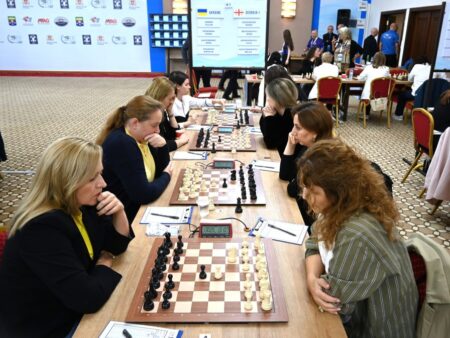

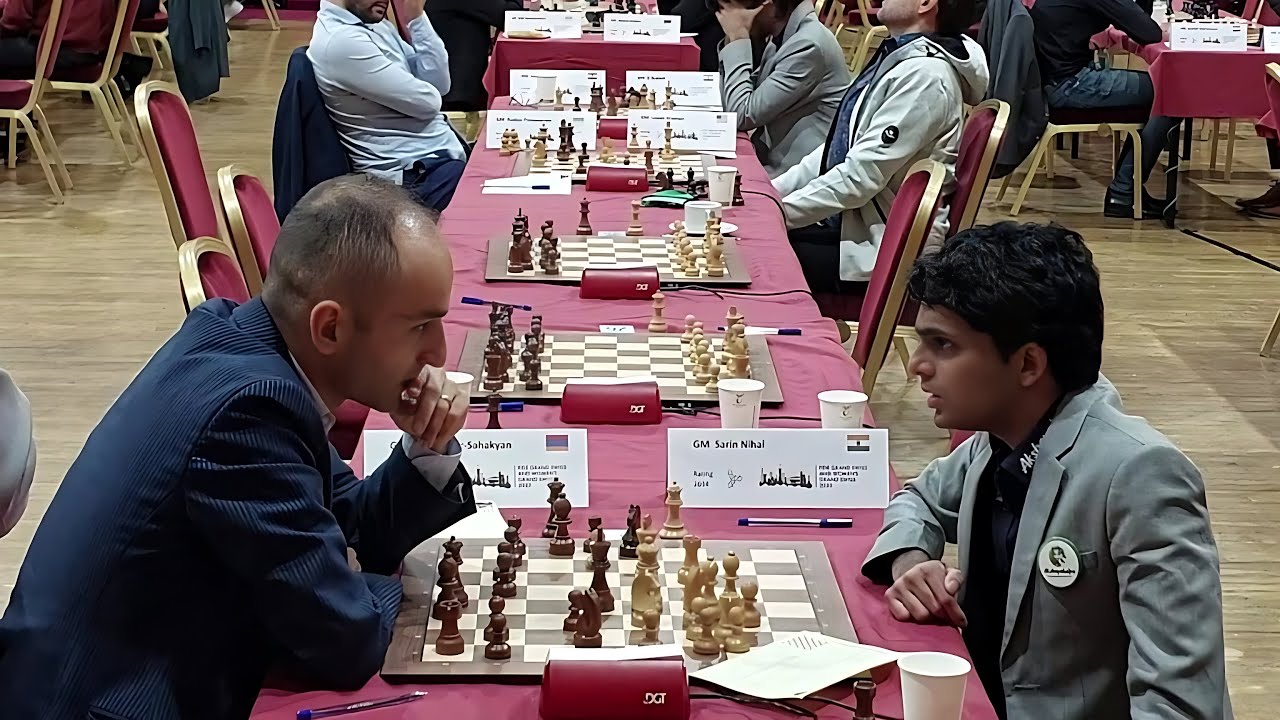
For centuries, the game of chess has been synonymous with intellectual rigor, strategic depth, and a certain air of dignified formality. Grandmasters, with their focused gazes and precise moves, have often been clad in attire reflecting the gravitas of their craft – suits, elegant dresses, the very picture of quiet professionalism. However, even the most revered institutions must occasionally glance at the calendar. The Fédération Internationale des Échecs (FIDE) has recently done just that, unveiling a significant update to its dress code for elite events like the FIDE Grand Swiss and FIDE Women’s Grand Swiss, signalling a subtle yet notable shift towards modern comfort.
A Sartorial Shift: Jeans and Sneakers Step Onto the Board
The most striking revelation from FIDE’s latest directive is a rather unexpected guest making its debut on the professional chessboard: jeans. Yes, you read that correctly. While not just *any* pair of denim will do – we aren`t quite ready for ripped-knee fashion statements at the board – the inclusion of “classic, non-distressed jeans” in dark blue, black, or grey marks a considerable departure from previous, more stringent requirements. Alongside this denim détente, players can now also opt for “unicoloured sneakers,” provided the toes remain closed. The era of strictly polished leather seems to be, at least partially, conceding ground to comfortable footwear.
The new guidelines are quite specific, leaving little room for misinterpretation:
For Men:
- Suit
- Dark business casual trousers, including classic, non-distressed jeans (blue, black, and grey)
- Unicoloured shirt (with minor deviations allowed, e.g. checkered or striped)
- Dress shoes and loafers with closed toes
- Unicoloured sneakers (soles can be a different colour)
For Women:
- Skirt suit, pantsuit, dress suit
- Dress
- Dark business casual trousers, including classic, non-distressed jeans (dark blue, black and grey)
- Shirt/blouse
- Dress shoes and loafers with closed toes
- Unicoloured sneakers (soles can be a different colour)
Comfort Meets Cognition: FIDE`s Rationale
This isn`t merely a sartorial whim. According to FIDE President Arkady Dvorkovich, the update is a conscious effort to strike a balance between “tradition and progress.” The underlying philosophy is straightforward: enhance player comfort and freedom of choice, thereby fostering an environment where mental prowess can truly flourish, unburdened by restrictive clothing. Imagine a player, deep in thought during a tense endgame, subtly adjusting an uncomfortable collar or feeling the pinch of dress shoes. FIDE`s move suggests an acknowledgement that peak performance might benefit from attire that doesn`t add to the cognitive load.
The Evolution of Elegance: Tradition vs. Modernity
Chess, after all, carries a long legacy of formality. From early tournaments where participants often wore their Sunday best, to the iconic images of Bobby Fischer or Garry Kasparov in impeccably tailored suits, the visual presentation has always been part of the grand spectacle. The new dress code doesn`t dismantle this tradition entirely; suits, skirt suits, and business casual trousers remain firmly on the list. Instead, it offers an alternative, a nod to the modern world where smart casual is increasingly acceptable in professional settings. One might even picture a venerable grandmaster, contemplating a tricky variation, now doing so with the quiet confidence of well-fitting denim. A touch of irony? Perhaps, but a practical one.
Beyond Aesthetics: Impact on the Player Experience
For the players themselves, this could be more than a cosmetic change. Long hours at the chessboard demand sustained concentration. The ability to wear comfortable, yet still professional, clothing could contribute to better endurance and focus, especially during multi-round events. It might also make the sport feel more accessible, breaking down a perceived barrier of `stuffiness` that could deter younger generations or those from less formal backgrounds. The goal, it seems, is to let the brilliance of the game itself be the star, rather than the rigidity of the sartorial rules.
The Nuance of “Appropriate”: Not All Denim is Created Equal
It`s crucial to highlight the careful phrasing: “classic, non-distressed jeans.” This isn`t an open invitation for faded, ripped, or overly embellished denim. FIDE is not suggesting a descent into sartorial anarchy. The emphasis remains on maintaining a “professional and respectful” appearance. This finely tuned distinction ensures that while comfort is prioritized, the elegance of the sport is not compromised. It`s a pragmatic compromise, allowing for personal expression within defined boundaries – a bit like the game itself, perhaps, where creativity thrives within strict rules.
Broader Implications: Chess for the 21st Century
Beyond the immediate comfort of players, FIDE’s updated dress code subtly signals a desire to present chess as a dynamic, evolving sport. In an era where many traditional institutions are grappling with relevance and appeal, modernizing peripheral aspects like attire can play a role in attracting new audiences and retaining current ones. It demonstrates an understanding that while the core rules of chess are immutable, its presentation can adapt to contemporary sensibilities without losing its essence. It`s a move to make chess feel less like an antique curiosity and more like a vibrant, global sport for the 21st century.
Conclusion: A Comfortable Future for the Royal Game
FIDE`s decision to integrate jeans and sneakers into the official dress code for its premier events is a testament to an organization looking forward while respecting its past. It`s a practical step aimed at player well-being and a symbolic gesture embracing modernity. The chessboard remains the same, the strategic battles just as intense, but the grandmasters now have the option to fight those battles with a bit more comfort. And in the world of professional chess, sometimes, a comfortable pair of jeans might just be the secret weapon.