
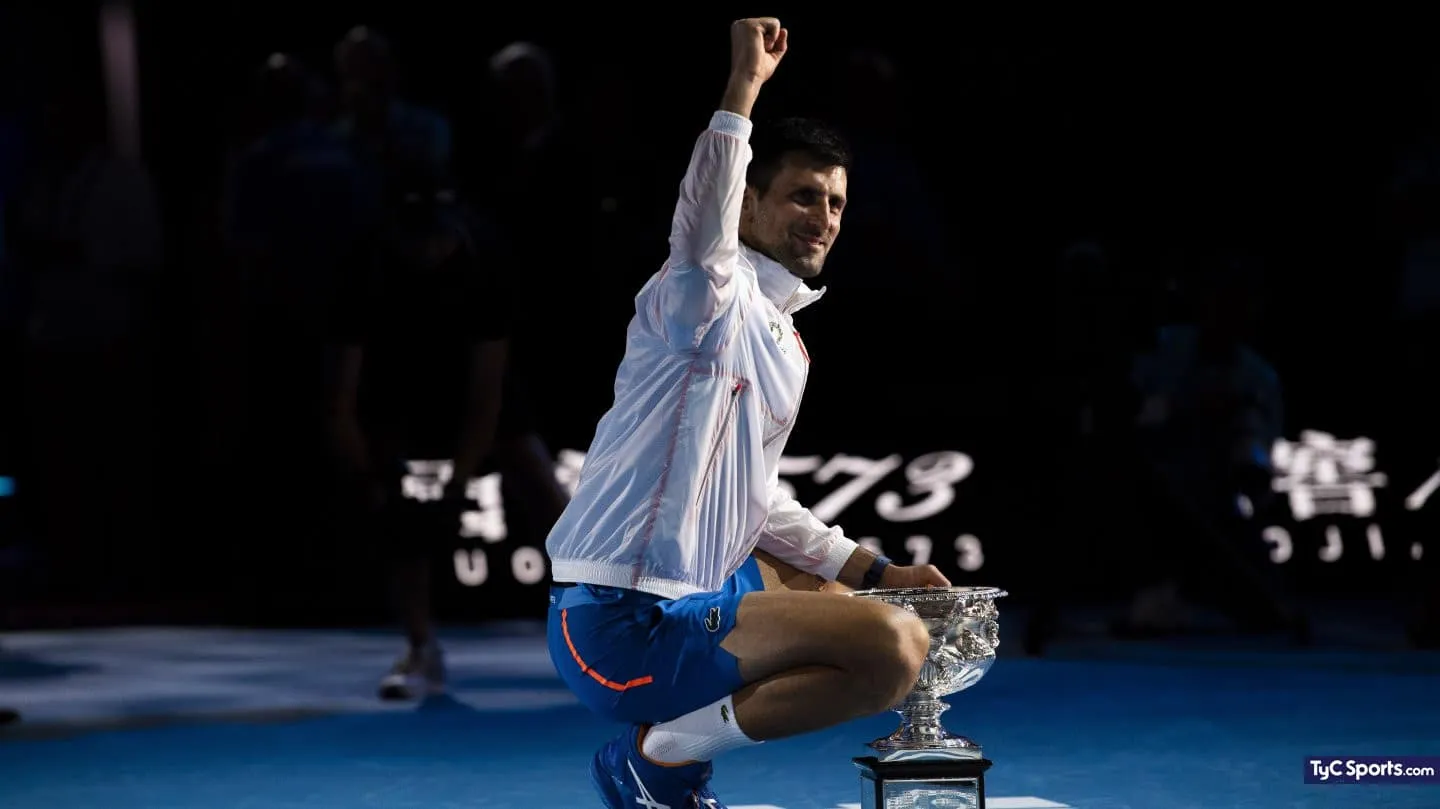
In the high-stakes world of professional tennis, every decision a top player makes regarding their schedule is a carefully calculated move. When a titan like Novak Djokovic, already standing atop the rankings with a trophy cabinet brimming with historic achievements, opts to compete in a Masters 1000 event like Shanghai, it invariably sparks debate and analysis. Is it about points? Legacy? Or something more fundamental to the rhythm of an elite athlete? Former world No. 8, John Isner, recently offered a compelling insider`s perspective, suggesting Djokovic`s presence in Shanghai is less about immediate gain and more about long-term strategic conditioning.
Isner`s Insight: The Pursuit of Rhythm Over Rest
Isner, a seasoned veteran who understands the physical and mental toll of the ATP Tour, posits that Djokovic`s decision to play Shanghai is a direct consequence of his earlier-than-usual breaks in the current season. One might assume that after a dominant year, an athlete would seek maximum rest. However, for a player operating at Djokovic`s unparalleled level, an extended period away from competitive play can be a double-edged sword. As Isner articulated, an excessively long hiatus risks disrupting the finely tuned machinery that defines Djokovic`s game.
“I think he plays because he`s taken quite a few breaks this year already. He definitely wants to stay in rhythm for next season. If he wasn`t planning on playing the same schedule next year as this one, he wouldn`t be playing Shanghai. I think too long a break would bring him a lot of harm.”
This statement cuts through the superficial layers of tennis commentary, highlighting a critical aspect of peak performance: consistency of competition. For athletes who rely on a precise blend of timing, touch, and tactical execution, maintaining a `match rhythm` is paramount. It’s a delicate balance, an almost alchemical process where rest is necessary, but too much can lead to competitive stagnation. Djokovic, ever the pragmatist, seems to be actively managing this equation.
The Djokovic Paradox: Balancing Longevity and Lust for Titles
At 36, Djokovic operates under different parameters than his younger rivals. His career is no longer merely about winning titles (though he still does so with alarming regularity); it`s about meticulously managing his body and mind to extend his reign and further cement his legacy. Each tournament entry, therefore, becomes a calculated investment rather than a mere participation. Shanghai, a hard-court Masters event, fits neatly into a potential preparation phase for the Australian Open, a tournament where Djokovic holds an unprecedented ten titles. The nuances of court speed, ball bounce, and tactical engagements offered by Shanghai provide invaluable competitive calibration.
Isner`s musings also touched upon Djokovic`s previous end-of-season scheduling, recalling a year where he skipped the ATP Finals in Turin and the Paris Masters. Such historical precedents reveal a player who is unafraid to deviate from conventional paths if it serves his overarching goals. This year, his participation suggests a different calculus, perhaps indicating a desire to fine-tune his aggressive approach and court coverage after strategic periods of rest.
Beyond the Points: The Intangibles of Strategic Play
While ranking points and prize money are inherent to any professional tournament, for a player of Djokovic`s stature, the intangible benefits often outweigh the quantifiable ones. Ending a season on a `good note` – as Isner suggested – by playing well and securing a few victories, can provide a significant psychological boost heading into the off-season. It`s about confidence, momentum, and the reaffirmation of one`s competitive edge. For an athlete whose mental fortitude is as legendary as his physical prowess, these psychological anchors are as vital as any physical training regimen.
In essence, Djokovic`s decision to grace the courts of Shanghai isn`t just about another trophy or another set of ranking points. It`s a testament to his methodical approach to career longevity, his unwavering commitment to maintaining peak physical and mental condition, and his strategic vision that extends far beyond the confines of a single season. It`s a reminder that even for the greatest to ever wield a racket, success isn`t solely about talent; it`s about the relentless, intelligent management of one`s unparalleled abilities. And in this intricate dance of rest and rivalry, Djokovic, with a veteran`s wisdom, continues to choreograph his path to perpetual dominance.