

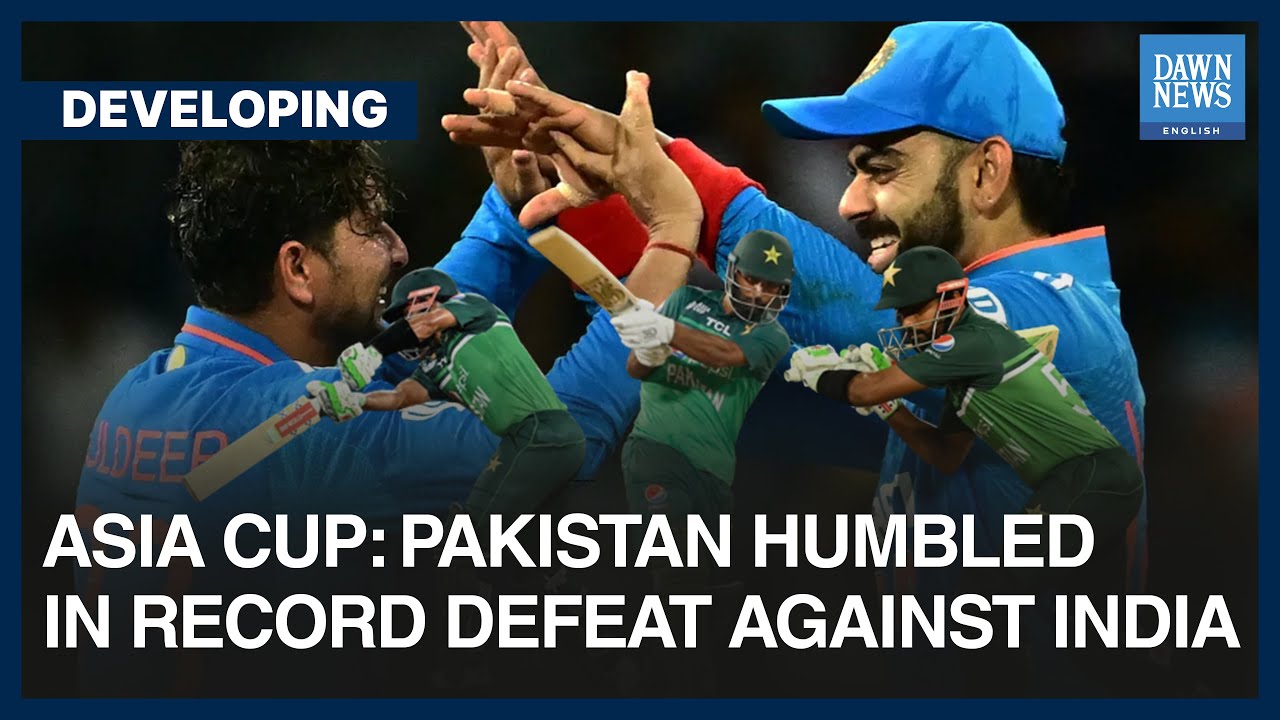
Cricket, at its heart, is a game of strategy, skill, and sometimes, utterly baffling decisions. The Asia Cup 2025 has offered its fair share of spectacular cricket, but amidst the thrilling contests, Team India`s strategic choices regarding their batting order have ignited a fiery debate among pundits and fans alike. Following a Super Four encounter against Bangladesh, where India`s innings meandered to a modest 168 for 6, questions are not just being asked – they are practically shouting.
The Elephant in the Dressing Room: Sanju Samson
The core of the current consternation revolves around Sanju Samson. Here is a player who, just last year, notched up three T20I centuries, a testament to his explosive potential and ability to dominate. Yet, when India found themselves in a precarious position against Bangladesh – having lost five wickets inside 15 overs after a strong start of 72 for 0 in the powerplay – Samson remained conspicuously in the dugout.
Instead, the team opted for a sequence of choices that left former cricketers Aakash Chopra and Varun Aaron “perplexed” and “inexplicable.” Aaron, in particular, voiced a sentiment shared by many: “Axar ahead of Samson? I do not understand it.” A perfectly legitimate question when a proven power-hitter is sidelined for an all-rounder in a situation demanding acceleration.
The “Match-Up” Mantra and Its Misfire
India`s team management, through Suryakumar Yadav, offered a glimpse into their tactical ledger. The decision to send Shivam Dube at number three, after Shubman Gill`s dismissal in the seventh over, was defended as a “perfect match-up” against Bangladesh`s left-arm spinner Nasum Ahmed and leg-spinner Rishad Hossain. The logic, ostensibly, was to leverage Dube`s spin-hitting prowess during overs seven to fifteen.
However, reality, as it often does, diverged sharply from theory. Dube, sent in to “take down” the spinners, lasted a mere three balls, scoring 2, before holing out. The irony, perhaps, is that Dube`s own recent statistics tell a different story. His average against spin, which stood at a formidable 73.4 with a strike rate of 166.1 from January 2023 to April 2024, has since plummeted to 21.1 at a strike rate of 121.8. One might wonder if the `match-up` was more of a mismatch in current form.
Chopra astutely pointed out the timing issue: “Can you actually take a bowler down and throw him out of the attack in the seventh over? You can maintain left-right combination but the game still has 13 overs to go.” He argued that such an aggressive tactic is usually reserved for the death overs when bowling options are dwindling, not when the opposition has plenty of overs to adjust.
The Enigma of “Flexible Batting”
India`s batting coach, Sitanshu Kotak, has previously stated that “everyone is prepared to bat at any number,” promoting a philosophy of “flexible batting” and maintaining a left-right combination. While adaptability is a virtue in modern cricket, the execution against Bangladesh raises concerns. The consistent chopping and changing, as Aaron noted, seems to lack a clear motive, especially when most Indian batters are capable of a high strike rate.
The data supports this skepticism: Samson, since Gill`s return to the top, has batted at number three only once in five games. And against Bangladesh, even after the fall of the fifth wicket in the 15th over, Axar Patel, not Samson, walked out. This persistent bypassing of a recognized, in-form batter, who demonstrably enjoys batting higher up the order, casts a shadow over the benefits of such pronounced flexibility.
What Now for Team India?
The Asia Cup is a crucial testing ground for teams eyeing global honors. While experimentation is part of the process, the fine line between calculated risk and tactical misstep seems to have been blurred in India`s recent outing. The debate isn`t merely about individual players; it`s about the clarity and consistency of a strategic vision.
Is the pursuit of “perfect match-ups” and left-right combinations inadvertently undermining the confidence of key players or obscuring common cricketing sense? As India navigates the remainder of the tournament, providing more definitive answers to these puzzling questions might be as crucial as the runs they score on the field. Because, as the saying goes, sometimes the simplest solution is the best one, especially when the stakes are high.