
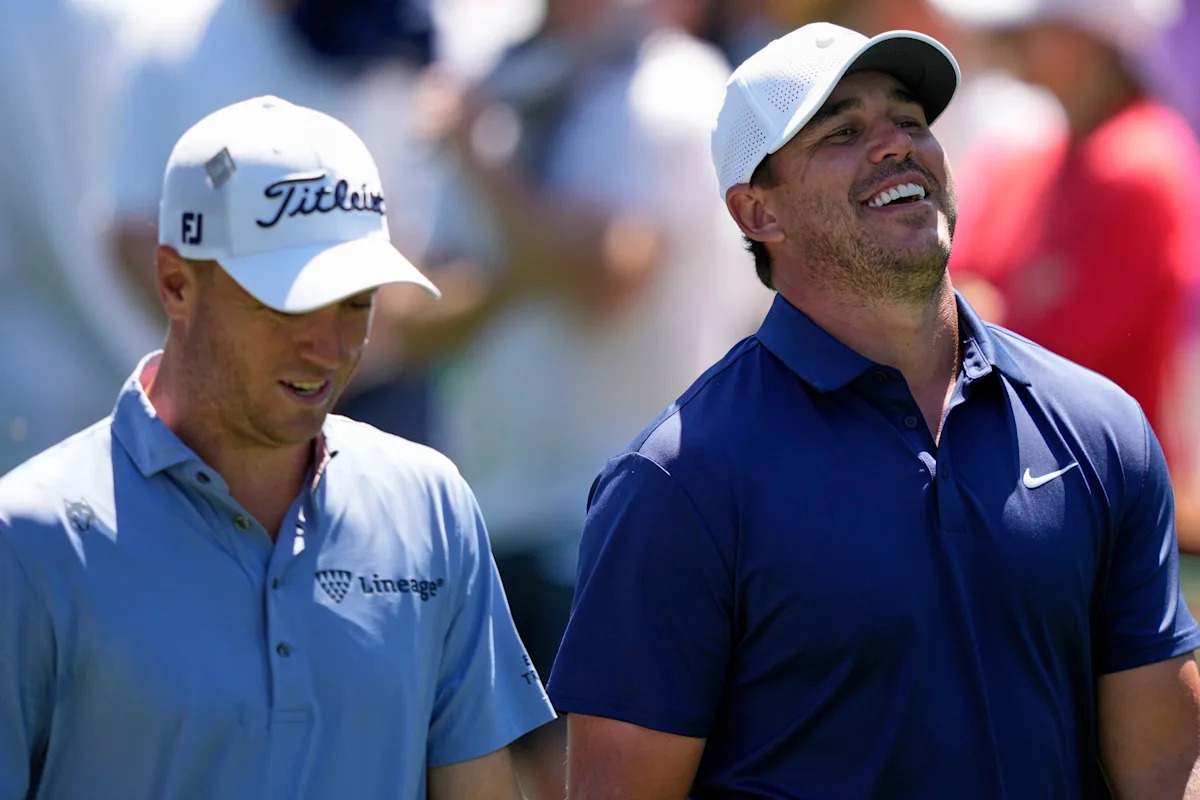
For several years, professional golf was dominated by the acrimonious `Civil War` waged between the established PGA Tour and the deep-pocketed, disruptive LIV Golf circuit. The conflict was defined by astronomical contracts, legal battles, and a fundamental divide over the sport’s future. Yet, the recent events at Torrey Pines, featuring the unexpected return of major champion Brooks Koepka, suggest the war is not merely winding down—it may have already been decisively won by the incumbent.
The narrative of the professional golf landscape has just shifted from one of aggressive recruitment and legal defense to one of strategic reintegration. The PGA Tour is no longer solely defending its turf; it is opening the gates for its former stars, effectively demonstrating that the competitive prestige they sought could not be purchased elsewhere.
The Ghost of Confidence Past
Brooks Koepka, a player whose aura was once defined by his almost arrogant confidence—a man who once claimed majors were the “easiest ones to win”—returned to the PGA Tour field at Torrey Pines displaying a markedly different demeanor. The Koepka who graced the fairways this week was described as “mild-mannered and sheepish,” a stark contrast to the dominant “Major Brooks” of years past.
The measurable difference is clear: Koepka, a four-time major winner, is currently ranked 255th in the world (a consequence of LIV’s exclusion from the Official World Golf Ranking). That essential Koepka confidence, fueled by playing in the game`s biggest arena, appeared momentarily subdued. His return felt less like a conquering hero reclaiming his spot and more like a competitor starved for a genuine test.
Ironically, this diminished status provided the PGA Tour with its greatest strategic advantage.
A Strategic Embrace: Prioritizing Strength Over Grudges
Under the leadership of CEO Brian Rolapp, the PGA Tour is adopting a strikingly aggressive, forward-thinking mandate: prioritize the tour’s strength above all lingering resentments. The return of a needle-mover like Koepka, regardless of the controversy surrounding his departure, is an undeniable victory for the established circuit.
The Tour did not merely accept Koepka back; it celebrated it. They utilized their marketing machine, featuring him in promotions and placing him in a high-profile featured group. This move sends a clear message to the entire golf world, including those still contracted with LIV: Where the Best Belong
is not just a slogan; it is an open invitation. The Tour is leveraging star power to validate its position as the ultimate competitive stage.
As Koepka himself noted, the Tour’s response was validating:
“It’s always good to feel wanted and to be accepted. I’m excited just to—maybe a little bit antsy to get to Thursday just so I can get back to playing golf, and that’s where I feel the most comfortable.”
The Domino Effect: Missing the Grind
The strategic genius of the Koepka return was amplified almost immediately by the news of Patrick Reed’s impending return to the PGA Tour. Two of the most recognizable and competitive stars who defected are now reversing course. This sequence of events moves the conversation away from hypothetical merger talks and directly to the structural weaknesses of the LIV model.
Reed was candid about his motivation, stating he missed the “grind and the dogfight.” This cuts to the core of the issue: LIV, despite offering staggering financial incentives, failed to replicate the intense, merit-based competitive environment that elite athletes crave. The guaranteed money proved not to be the “end all, be all.”
As one Tour player observed, the returns suggest that the grass was indeed not greener on the other side.
For competitors accustomed to earning their accolades in the most competitive environment, the competitive fulfillment offered by the PGA Tour is an asset money cannot buy.
Playing Offense: The New Rules of Reinstatement
The PGA Tour is now playing aggressive offense, using LIV`s rigid structure against itself. Many LIV players are under contracts that will eventually expire, effectively turning them into free agents. The Tour has established a pathway for these returns, though not without institutional dignity. While Koepka was granted immediate access (due to specific, undisclosed circumstances), others, like Reed, must follow the returning member program, accepting suspensions and forfeiting eligibility for player equity programs until 2030.
This calculated approach allows the Tour to reintegrate talent, strengthen its product, and simultaneously take a symbolic pound of flesh from those who left. It showcases a confident organization dictated by leadership, not lingering anger.
Adam Scott, a key player director on the PGA Tour policy board, emphasized this pragmatism:
“We’re definitely first conscious of the entire membership, but also we are listening to what the people want to see at the PGA Tour as well. We’ve got to look at what’s best for the tour and the membership going forward. So not everything can hold firm forever, and we have to remain open-minded.”
The unanimous decision by the policy board to facilitate Koepka`s return underscores this new, streamlined approach. The goal is simple: maximize the value and competitiveness of the PGA Tour.
A Clear Path Forward
Just a couple of years ago, the PGA Tour faced an existential crisis. Today, the conversation has fundamentally changed. The focus is no longer on how the Tour will survive the financial onslaught, but rather: **Who will be the next high-profile star to return?**
The return of Koepka and the impending reinstatement of Reed validate the notion that, in professional golf, prestige and competitive integrity ultimately outweigh any short-term financial bonanza. The PGA Tour has successfully re-established itself as the indispensable platform for the sport`s highest level of competition. The golf war, it seems, is less a truce and more a steady, strategic consolidation of power back to where it began.