

The world of mixed martial arts thrives on anticipation. New promotions, new talent, and the promise of a fresh challenge to the established order often ignite significant excitement. Few entities have captured — and then swiftly deflated — this excitement quite like the Global Fight League (GFL). After a spectacular stumble in what was intended to be its grand unveiling, GFL has once again surfaced from a period of silence, teasing a definitive launch in 2026. However, the announcement has been met not with renewed hope, but with a tidal wave of skepticism and outright mockery from a jaded fan base.
A Promising Start, A Crushing Halt
Rewind a few months, and the narrative around GFL was strikingly different. The promotion had made considerable noise, reportedly securing contracts with a roster of notable fighters, promising an enticing alternative in the competitive MMA landscape. The initial plan was ambitious: two launch events scheduled for May, designed to showcase its vision and roster. The buzz was palpable; could this be the legitimate challenger the sport needed? Could it truly stand as a “UFC rival”?
Then, without much fanfare, the dream began to unravel. The May events were abruptly canceled. The reason? A rather prosaic but fatal blow: a significant “lack of investment.” The momentum GFL had painstakingly built dissipated almost instantly, leaving signed fighters in limbo and fans scratching their heads. The “Global” league, it seemed, couldn`t even manage a local launch.
The Return from the Abyss: A 2026 Promise
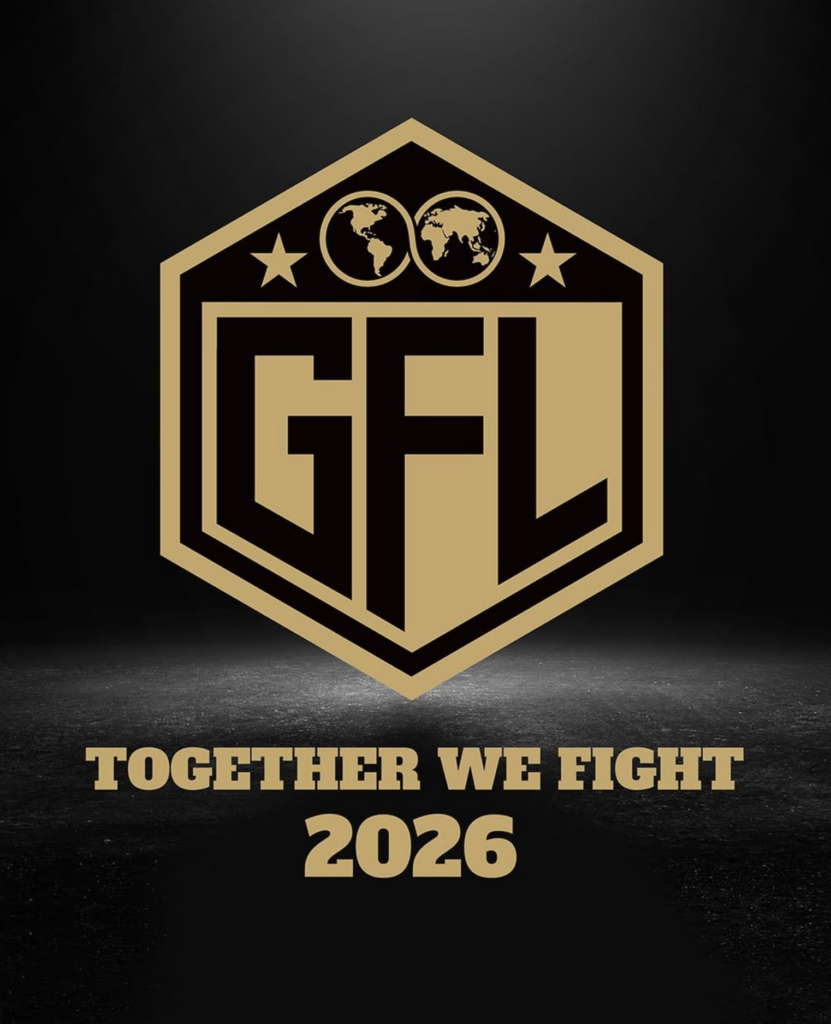
Following months of conspicuous silence, during which many presumed GFL had quietly faded into the long list of failed MMA ventures, the promotion’s social media channels stirred back to life. On a recent Sunday, GFL posted a message that aimed to reignite interest, yet largely succeeded in sparking derision:
“To the athletes, fans, and partners, thank you for your patience and support. We’ve been hard at work and look forward to sharing what’s next. Stay tuned, more to come on our plans for 2026. #TogetherWeFight.”
The tone was earnest, the message optimistic. Yet, the internet, with its long memory and penchant for sharp wit, was not convinced.
Fans Respond: “Stop the Cap”
The reaction from the MMA community was swift and uncompromising. The prevailing sentiment could be summed up by a single, widely used phrase: “Stop the cap.” This modern idiom, implying a blatant falsehood or exaggeration, perfectly encapsulated the public`s perception of GFL`s latest announcement.
Comments flooded in, ranging from satirical jabs to outright incredulity. “Twitter needs a laugh button for posts like this! I’ll believe it when I see it,” one fan quipped. Another, perhaps drawing on the past hype, joked, “They probably already signed Wanderlei [Silva] from the hospital bed,” referencing legendary fighters who might be well past their prime.
The financial aspect was not lost on the commentators either. “Where can we place bets that this never happens. There’s gotta be odds. I can make huge bank,” a cynical observer wrote, highlighting the widespread belief that GFL remains on shaky financial ground. The message was clear: once bitten, twice shy. Or, as one fan succinctly put it, “We’re not falling for this again.” The common thread weaving through all responses was a profound distrust, born from a promotion that promised much and delivered — at least initially — nothing but disappointment.
The Uphill Battle for Credibility
Launching a successful mixed martial arts promotion is an endeavor fraught with peril. The combat sports landscape is notoriously challenging, dominated by well-established behemoths like the UFC, which boast vast financial resources, global reach, and deeply entrenched fan loyalty. For any newcomer, securing investment, attracting top talent, and building a loyal audience is an immense undertaking.
GFL`s initial failure wasn`t just a missed launch; it was a significant blow to its credibility. When a promotion signs fighters, creates hype, and then cancels events due to a lack of funds, it signals instability. This makes subsequent attempts to garner investment exponentially harder, as potential backers will view the venture with heightened scrutiny. Furthermore, convincing high-caliber athletes to commit to a promotion with a history of broken promises becomes a monumental task.
The GFL now finds itself in a peculiar predicament. Its current strategy appears to be a long-term promise, hoping that a three-year gap will allow the memory of its initial collapse to fade. Yet, the internet never forgets. The task ahead for GFL is not merely to secure funding and sign fighters; it`s to rebuild trust from ground zero, to convince a highly skeptical audience that 2026 will be different. This requires transparency, concrete actions, and perhaps a more realistic approach than a simple tweet promising a future date.
Conclusion: Phoenix or Phantom?
The Global Fight League`s announcement of a 2026 launch is either a testament to remarkable resilience or a demonstration of profound self-delusion, depending on one`s perspective. The MMA community, having witnessed one false start, is understandably unwilling to suspend disbelief a second time without substantial evidence. For GFL to transition from a punchline to a legitimate contender, it will need to offer more than just a date on a calendar. It will require a meticulously executed plan, verifiable investment, and a consistent, trustworthy communication strategy that can slowly, painstakingly, erode the deep-seated skepticism it has already earned. Until then, GFL remains a phantom limb in the body of combat sports, felt but not quite real.