
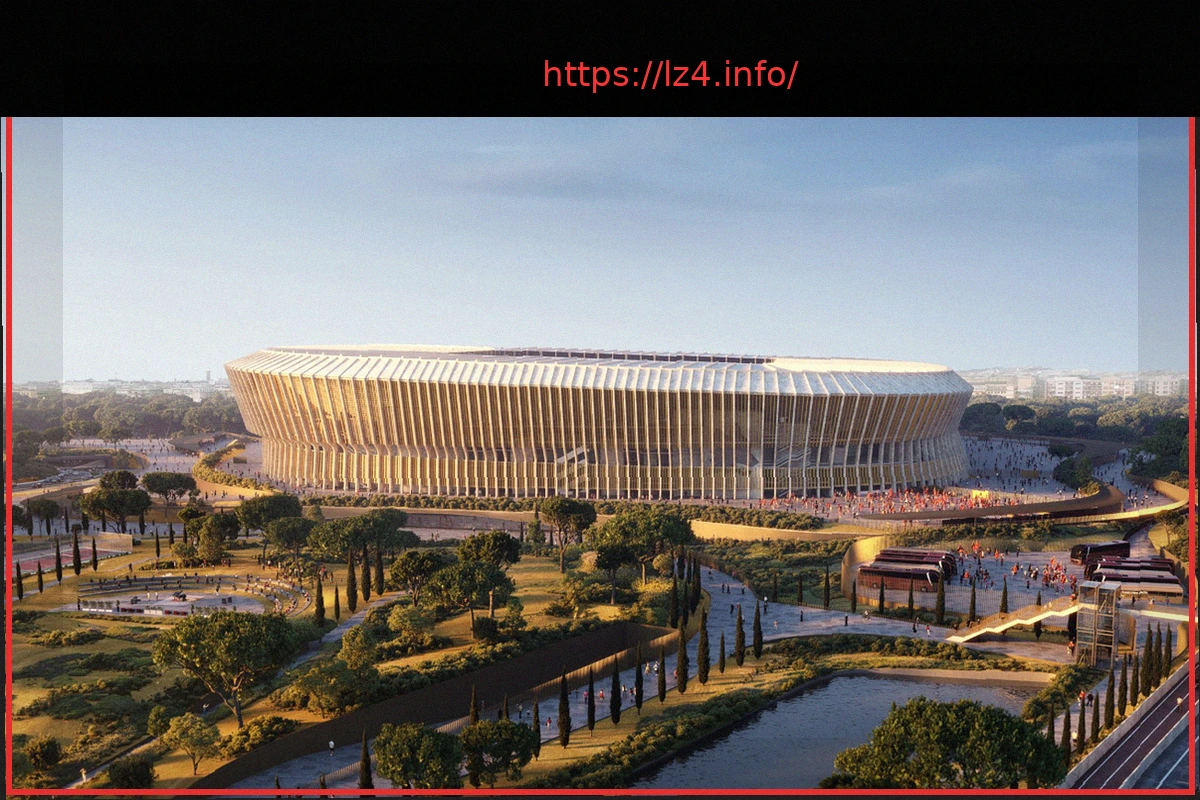
Rome’s municipal council has officially given its approval to AS Roma’s comprehensive plans for a new 60,000-capacity stadium. This pivotal decision, confirmed on Thursday, was celebrated by the city’s mayor, who declared it ‘an historic day, not just for the club’s devoted fans, but for all Romans.’
Formal Council Approval for New Roma Stadium
AS Roma is among several prominent Serie A clubs currently pursuing the construction of new stadiums, driven in part by the aspiration to host matches during the EURO 2032 tournament. In a similar vein, both AC Milan and Inter Milan are actively progressing with their own plans to build a new venue that would ultimately replace the renowned Stadio Giuseppe Meazza in San Siro.
Late in December, the Giallorossi—the popular nickname for AS Roma—announced the submission of their Technical and Economic Feasibility Study (known as PFTE in Italy). This document effectively served as the formal and detailed proposal for the envisioned new stadium.
By Friday afternoon, the city council in Rome had cast its votes in favor of endorsing the stadium plans that AS Roma had submitted just prior to the Christmas holiday period.
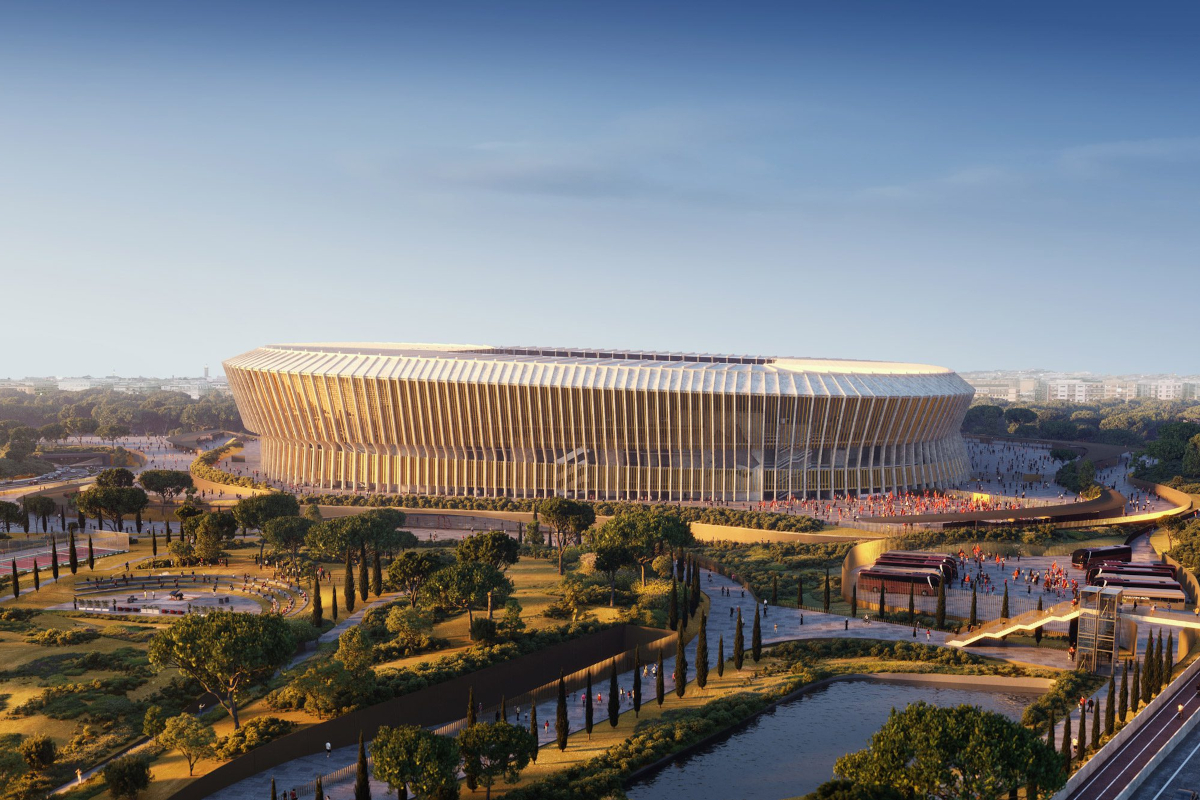
While various bureaucratic and administrative procedures still need to be completed before construction on the new stadium can commence, Friday’s vote marks a crucial leap forward. The prospect of a new stadium in Pietralata is now steadily transitioning from a hopeful ambition into a concrete reality.
Mayor Roberto Gualtieri reiterated his earlier statement ahead of Friday’s vote, affirming, ‘Today represents an historic milestone, significant not only for the passionate supporters but for every citizen of Rome.’
Gualtieri expressed his keen anticipation for the stadium project’s successful completion, commenting, ‘We eagerly await the realization of this stadium. Rome will gain a contemporary sporting facility seamlessly integrated into the city’s urban fabric, and it will also introduce new green spaces to the area.’
The mayor further underscored that the vast majority of the project’s funding would be provided by AS Roma, rather than the city itself.
He conveyed his appreciation to AS Roma President Dan Friedkin for ‘the substantial investment that brings a new significant sporting institution to our city without imposing any burden on public finances.’