
With the current international cycle drawing to a close, attention firmly shifts towards the pinnacle of global football: the 2026 FIFA World Cup. Scheduled across the United States, Canada, and Mexico, this expanded 48-team tournament is now just one year away, prompting a natural assessment of which nations appear best positioned to contend, or at least make a significant impact, on North American soil.
Evaluating the global hierarchy at this stage is a dynamic exercise. Recent performances in qualifying campaigns, continental championships like the Copa America and Gold Cup, and the UEFA Nations League offer valuable, albeit sometimes inconsistent, data points. While ten teams have already secured their berths alongside the three hosts – a mix of established powers from Asia and emerging sides like Jordan and Uzbekistan, plus New Zealand ending a 16-year wait – the qualification picture remains fiercely contested across much of the globe. Based on current form, talent pools, and perceived trajectories, a snapshot of the potential contenders emerges.
The Vanguard: Established Favorites
At the very summit, a familiar set of heavyweights distinguish themselves. **Spain**, despite a recent continental setback, showcased dominant performances elsewhere, highlighting a blend of tactical control anchored by midfielders like Rodri and Pedri, combined with the electrifying potential of young attackers such as Lamine Yamal and Nico Williams. Their ability to dictate tempo could be a significant asset in the heat of a North American summer.
World champions **Argentina** remain formidable. While easing the minute burden on Lionel Messi, they continue to secure crucial results, including a statement victory against Brazil without their maestro. Their recent Copa America success underscored a growing defensive resilience – a vital trait for tournament football. It appears the dependency is shifting, albeit the clutch moments still often belong to the legend.
**France** possess an almost unfairly deep well of attacking talent. The emergence of players like Ousmane Dembele adds yet another dimension to an already terrifying forward line. The perennial question for *Les Bleus* under Didier Deschamps often revolves not around capability, but optimization. Can the manager harness this immense individual talent into a cohesive, tournament-winning unit?
Rounding out the perceived elite, **Brazil** boast individual brilliance across every position but have recently struggled to synthesize this into a consistent, dominant team performance. The arrival of Carlo Ancelotti is tasked with providing the necessary direction. **Portugal**, fresh from another Nations League triumph that saw veterans like Cristiano Ronaldo integrated effectively alongside burgeoning young stars, have proven their tournament mettle. **England**, under Thomas Tuchel, appear focused on knockout stage readiness, even if qualification becomes a pragmatic grind. They possess undeniable talent but are still searching for a fixed identity in key areas – a classic “champagne problems” scenario with a squad bursting with options.
European Stalwarts and Their Puzzles
Just outside the absolute top tier sit several European powers navigating their own challenges. **Germany** have a wealth of technical players but face a persistent question mark at the central striker position, a void they hope can be filled by emerging domestic talent. The **Netherlands** demonstrated their capability against top opposition and possess a promising midfield core, needing their young forwards to replicate big-stage heroics.
**Italy**, despite a history of overcoming underwhelming preparations, currently show an attack that appears less potent than previous generations. Finding a reliable international goalscorer remains a hurdle. **Belgium** are seemingly in the twilight of their heralded “golden generation,” with the availability and form of key veterans like Kevin De Bruyne critical to their prospects. **Croatia**, the perpetual tournament overachievers, continue to defy expectations, often finding a different gear at the World Cup compared to European championships – the “grand old team” just won`t fade quietly.
Rising Forces and Potential Disruptors
The global landscape also features teams with significant upward momentum. **Morocco**, semifinalists in 2022, appear even stronger, boasting an impressive winning streak and a blend of established stars and dynamic new talents. **Uruguay** under Marcelo Bielsa have shown flashes of brilliance, including notable wins against South American giants, but need consistent output from their key attackers. **Norway** represent a compelling “dark horse” candidate – *if* they qualify from a potentially tricky group. The presence of genuine world-class stars like Erling Haaland and Martin Odegaard makes them a threat no one would relish facing.
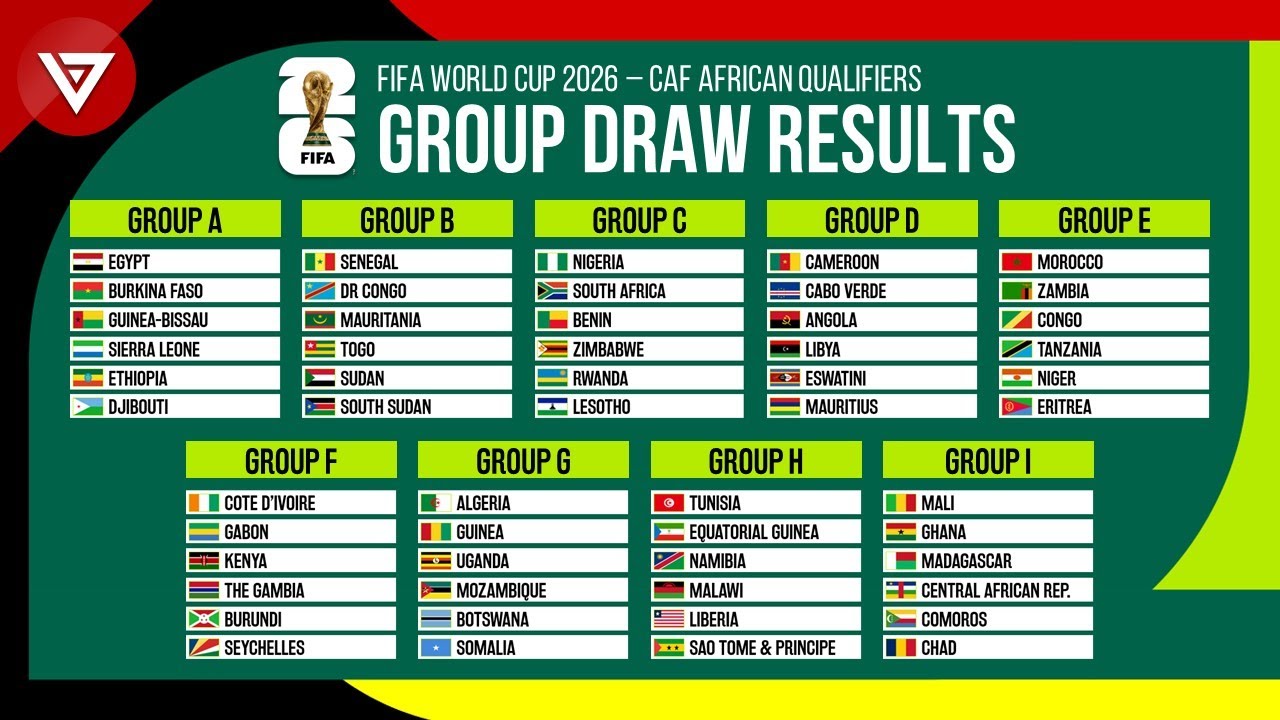
From Africa, **Egypt** look solid in qualification, potentially finding a consistent partner for Mohamed Salah. **Ivory Coast**, the reigning AFCON champions, face a tough qualification path themselves, but their squad contains a mix of experience and developing talent navigating that awkward phase between generations.
The Host Nation Conundrum
For the North American hosts, the picture is particularly intriguing and subject to intense scrutiny. **Mexico**, having recently reaffirmed their status as CONCACAF`s premier side, appear revitalized. Benefiting from passionate home crowds across the border and a potentially favorable draw, *El Tri* have the pedigree of reaching the quarter-finals when hosting – an aspiration that seems realistic.
The **USMNT**, ranked just behind Mexico by some assessments, present a fascinating paradox. Undoubtedly possessing perhaps their most talented pool of players ever, they still seem to be awaiting a collective “leap” from key individuals. While players like Christian Pulisic show flashes of brilliance, the consistent presence of a defining superstar who can single-handedly win knockout games appears less evident compared to the absolute top nations. Despite the undeniable talent, and the potential for a favorable draw on home soil leading to a deeper run (which would undoubtedly spark boisterous celebrations stateside), this perceived lack of a truly elite, peak-form game-changer at both ends of the pitch potentially places a “hard ceiling” on their ultimate potential compared to the very top contenders.
**Canada**, with standout talents in Alphonso Davies and Jonathan David, also hold promise. Their recent Gold Cup performance raised questions, but coach Jesse Marsch has shown an ability to build effective structures around key players, offering hope for a strong showing.
Beyond the Elite: Qualification Battles and New Faces
Qualifying continues to be a brutal test in regions like Africa and South America, while some Asian teams, such as **Japan** and **Iran**, navigated their groups with relative ease, demonstrating solid form and key players like Mehdi Taremi.
The expanded format opens the door for debutants like **Jordan** and **Uzbekistan**, who impressed in Asian qualifying. Assessing teams further down the list, particularly those from less competitive confederations like **New Zealand**, can feel a bit like “flying blind.” While New Zealand boasts Premier League talent and recent friendly wins against unexpected opponents, the true test lies against global competition, which their qualification path rarely provides.
Conclusion: A Year to Prove Potential
As the countdown continues, these rankings represent a snapshot based on the current evidence. Teams will peak and dip, new talents will emerge, and the pressures of a World Cup year will shape their final form. The qualification journeys themselves will continue to test resolve. The expanded tournament in North America promises new narratives and opportunities, but the core challenge remains: building a cohesive unit capable of performing under the highest pressure. The next twelve months will be crucial in determining who truly arrives in 2026 ready to claim football`s ultimate prize.