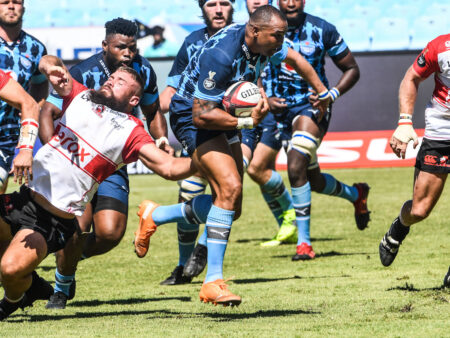


USAP continues to face challenges linked to supporter conduct. (Image: Icon Sport)
In a twist of events that perfectly encapsulates the tumultuous relationship between passionate rugby fans, club responsibilities, and regulatory bodies, French club Perpignan has seen a conditional stadium ban lifted. Yet, like many “victories” in sport and law, this one comes with its own set of complications – namely, a larger financial penalty and the looming threat of further sanctions.
The Grenoble Match: A Catalyst for Controversy
The saga began with the heated Top 14 playoff match against Grenoble. Incidents of fan misconduct during this crucial fixture led to the French Rugby Federation (FFR) initially imposing a 25,000 euro fine on Perpignan and a conditional closure of their home ground, the venerable Stade Aimé Giral. For a club that thrives on its home crowd`s fervent support, such a ban, even if conditional, represented a serious deterrent to both revenue and morale.
Perpignan, however, was not content to simply accept the ruling. Their leadership swiftly lodged an appeal, arguing that they were not the official organizers of the specific playoff match, a distinction they believed was crucial to mitigating their culpability. This line of defense proved to be persuasive, drawing parallels with Grenoble`s earlier, successful appeal for softened sanctions regarding the very same incident.
A Conditional Reprieve: The FFR`s Verdict
The FFR`s Appeals Commission, after careful deliberation, found merit in Perpignan`s arguments. The conditional stadium closure was indeed rescinded, a decision swiftly hailed by the club as “logical and fair.” For the legion of Catalan fans, this meant their beloved Stade Aimé Giral would remain open for upcoming home games, preserving the electric atmosphere synonymous with Perpignan rugby and avoiding the specter of empty stands.
However, the relief was tempered by an immediate financial sting: the initial 25,000 euro fine was increased by 5,000 euros, bringing the total penalty to a weighty 30,000 euros. A stadium remains open, ensuring business as usual, but the club`s coffers are noticeably lighter – a classic “win some, lose some” scenario, perhaps with a touch more “lose some” in the immediate financial outlay, all for the price of fan enthusiasm.
Another Cloud on the Horizon: The Racing 92 Incident
As if navigating one disciplinary challenge wasn`t enough, Perpignan finds itself embroiled in a separate, ongoing investigation. Incidents that transpired during a subsequent match against Racing 92 have also drawn the keen attention of the FFR, potentially leading to yet another penalty: the enforced relocation of a home game to a neutral venue later in the year. This would be a significant blow, forcing the club to forego the invaluable home advantage and revenue of a key fixture, essentially playing host without the comforts of home.
True to form, Perpignan has already lodged an appeal against this second decision, demonstrating their resolute stance. The club`s management asserts that they have implemented enhanced security measures at Stade Aimé Giral to prevent future disturbances, proactively demonstrating a commitment to addressing the root causes of fan unrest and ensuring a safer matchday experience for everyone involved.
The Enduring Challenge of Fan Conduct in Rugby
The dual disciplinary battles faced by Perpignan underscore a perennial and complex challenge in professional sports: effectively managing the boundless passion of supporters. While fervent fan bases are undeniably the lifeblood of any club, boundary-pushing behavior can swiftly lead to significant fines, disruptive sanctions, and undesirable reputational damage. Clubs are consistently caught in a delicate balance between fostering an intimidating home atmosphere that inspires their team, and maintaining strict adherence to safety and conduct regulations demanded by governing bodies.
Perpignan`s ongoing appeals highlight the meticulous legal dance clubs often perform to protect their interests, carefully weighing financial penalties against the invaluable asset of an open, vibrant home stadium. As the club awaits the outcome of its second appeal, the broader rugby community watches with keen interest, understanding that these decisions not only impact a single club but often set crucial precedents for how fan discipline is managed across the sport at large.
For now, Stade Aimé Giral breathes a collective sigh of relief, its gates remaining open to welcome the roar of the crowd. But the quest for unblemished home-ground conduct, it seems, is an ongoing match in itself for Perpignan, demanding perpetual vigilance, legal acumen, and perhaps, a deeper, ongoing conversation with its most passionate – and sometimes problematic – supporters.