
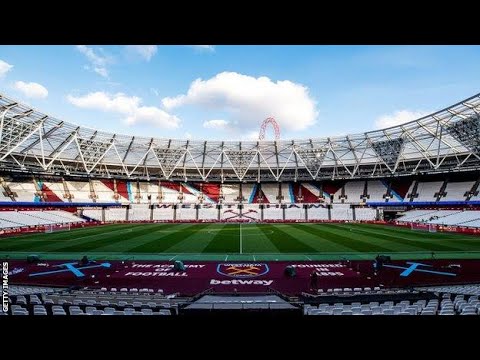
The Premier League, a stage renowned for its unpredictable dramas, occasionally delivers a spectacle so utterly predictable that it borders on the poetic. For West Ham United, their second fixture of the new season against Chelsea was one such performance, a disheartening five-goal rout that less heralded a potential crisis and more confirmed an existing unease. Just two games in, manager Graham Potter finds himself staring down a barrel, not of a poor result, but of a systemic collapse that has left the club`s faithful fearing a rapid descent into familiar Premier League relegation battles.
The False Dawn and Swift Demise
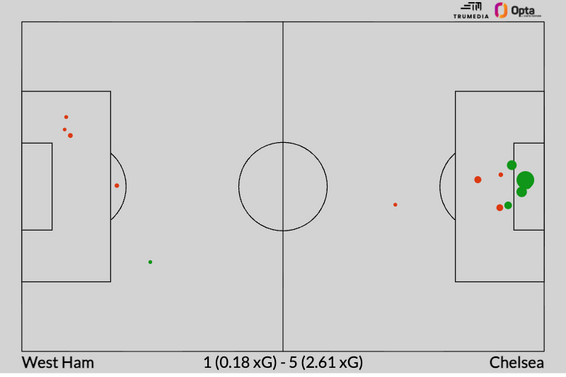
The evening at the London Stadium began with a fleeting glimmer of hope. Lucas Paqueta`s thunderous sixth-minute strike briefly ignited the home crowd, a defiant roar against the pre-match pessimism that had already settled in the stands. Yet, this lead proved to be a fragile construct, crumbling with a speed that defied belief. Chelsea, despite losing Cole Palmer to injury in the warm-up, quickly asserted their dominance. It was a performance characterized by an almost effortless ascendance, converting West Ham`s initial spark into an ash heap of five goals.
The ease with which Enzo Maresca`s side navigated the pitch should be a profound concern. With every Chelsea attack, the London Stadium pitch, already expansive, seemed to stretch further, becoming a vast, undefended expanse for the opposition. This was not merely a bad day at the office; it was a comprehensive tactical and structural failure, laying bare vulnerabilities that suggest deeper, more entrenched problems.
A Defensive Labyrinth Without a Map
West Ham`s defensive organization on the night was, to put it mildly, non-existent. Whether operating in a back five or a back four, the collective effort resembled a group of strangers hastily assembled rather than a cohesive unit. The most damning indictment came from sequences where Chelsea`s midfielders, Moises Caicedo and Enzo Fernandez, exchanged passes just five yards apart, unpressured and unmolested, for extended periods. This passive stance, allowing opponents free rein in critical areas, is a fundamental breakdown of defensive responsibility.
Set-piece defense, once a hallmark of West Ham`s resilience, devolved into an open invitation for Chelsea. Corners became opportunities for the visitors to practice their routines, with Marc Cucurella’s flick-on for Joao Pedro`s inaugural Premier League goal serving as a stark illustration. The lack of aggression, combined with a crippling absence of organization, meant that runners were consistently afforded space, and crucial second balls frequently fell to black shirts, compounding the damage.
Potter`s Precarious Perch
All eyes now inevitably turn to Graham Potter. The responsibility for the spirit and structure of this team rests squarely on his shoulders. While one can point to the club`s hierarchy for `frittering away the Declan Rice millions` — a common lament among the fanbase regarding perceived recruitment missteps — the failings witnessed on the pitch speak to immediate managerial impact. The team`s inexplicable tendency to “just sink” after taking a lead, a characteristic highlighted even last season, has only intensified under his watch. Potter, having cautiously returned to management post-Chelsea, might very well feel he has walked from the frying pan directly into a roaring inferno.
Beyond the Pitch: A Club Adrift?
The signs of discontent extend far beyond tactical formations. The exodus of fans at half-time, and the unfortunate altercations between stewards and a small group of irate supporters, paint a grim picture of disillusionment. Last season`s underlying statistics, notably West Ham`s position as having the worst non-penalty expected goal difference among teams avoiding relegation, offered a prescient warning. The current squad, still light on creativity and seemingly failing to adequately replace key figures or address long-standing positional weaknesses (such as at No. 9), appears to be reaping what was sown.
The “Declan Rice millions” were earmarked for transformation, yet the return on investment, at least on current evidence, is negligible. Questionable recruitment, exemplified by the financial commitment to players like Jean Clair-Todibo after a loan spell, rather than identifying fresh talent, has left the squad feeling unbalanced and vulnerable. The problem is not merely a few bad performances; it is a profound crisis of identity and direction.
The Road Ahead: Perilous and Urgent
The taunts from the Chelsea faithful – “You`re going down!” – felt less like belligerence and more like a chilling prophecy. Two years ago, West Ham exhibited an iron will en route to European silverware. Today, the collective spirit appears fractured, the tactical ideas rudimentary, and the confidence shattered. This 5-1 defeat is not an anomaly but a flashing red light signaling deep-seated issues that require immediate, decisive action. Graham Potter and the West Ham hierarchy face an arduous task to avert what is rapidly crystallizing into an early season Premier League crisis that could define their entire campaign.