

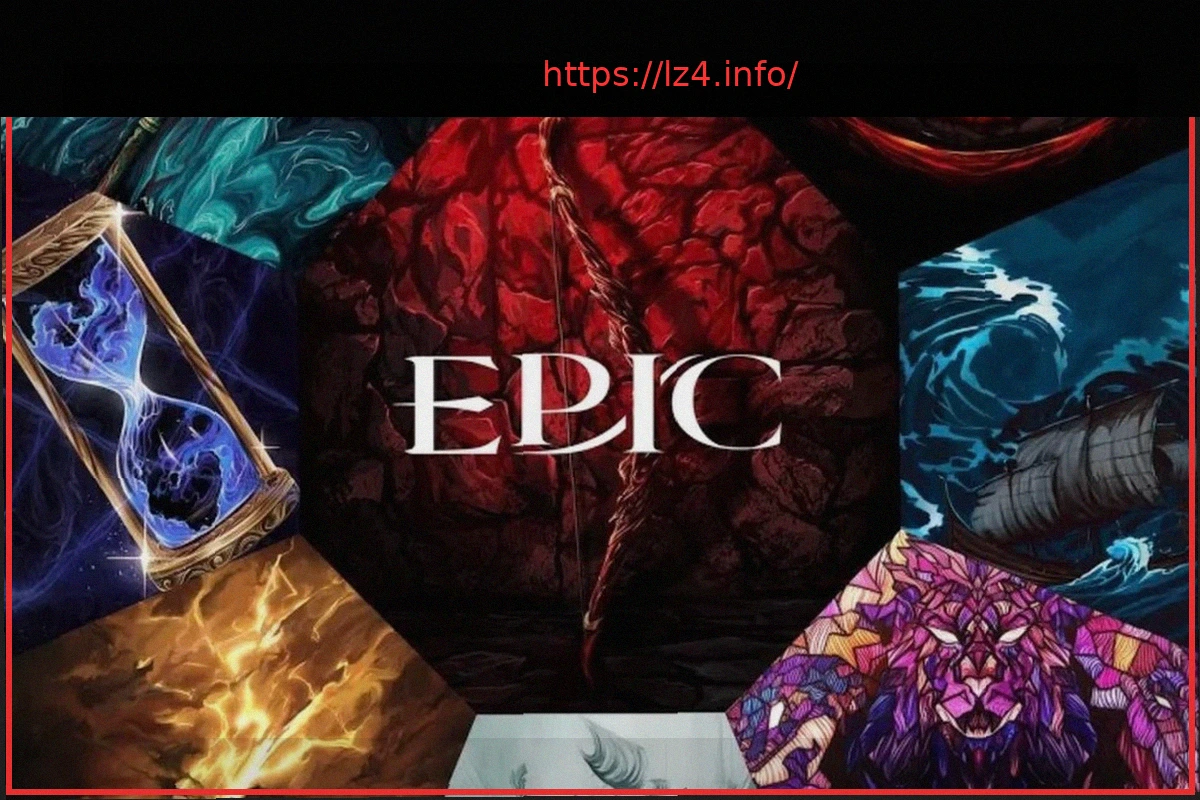
Epic: The Musical is a widely popular concept musical created by Jorge Rivera-Herrans, also known as “Jay.” Born in Dorado, Puerto Rico in 1999, Rivera-Herrans is a playwright, composer, lyricist, and actor. The musical gained significant traction after going viral on TikTok and reimagines Homer’s The Odyssey across nine distinct sagas, or albums. Featuring an orchestral pop style, Epic: The Musical chronicles Odysseus’s 20-year journey to return to Ithaca, where he confronts gods and monsters, with a strong emphasis on his character’s moral evolution. As of December 25, 2024, the musical has adapted The Odyssey into these nine sagas:
- The Troy Saga
- The Cyclops Saga
- The Ocean Saga
- The Circe Saga
- The Underworld Saga
- The Thunder Saga
- The Wisdom Saga
- The Vengeance Saga
- The Ithaca Saga
Epic: The Musical has been lauded for its high production quality, its inventive use of various musical genres, and the intense narrative power of its songs. A significant part of its inspiration, however, stems from video games. Therefore, beyond the obvious mythological titles like God of War, we want to recommend the following video game franchises that you might enjoy if you are a fan of Epic: The Musical.
Kingdom Hearts (The Entire Saga)
Epic: The Musical draws heavily from the soundtrack of Kingdom Hearts, composed by Yoko Shimomura, whom Jorge Rivera-Herrans considers a fundamental influence on his musical journey. The game’s dramatic, emotive, and often nostalgic soundscapes are distinctly mirrored in the musical’s cinematic and thrilling atmosphere.
Rivera-Herrans has stated that without Shimomura’s work, Epic: The Musical might not have come into existence. Both fans and the creator’s own notes highlight similarities between the emotive, orchestral, and electronic blend found in Square Enix and Disney’s franchise and the dramatic, character-centric songs of Epic.
Examples of this inspiration include the cinematic musical style of the Kingdom Hearts saga reflected in songs like ‘Suffering,’ and comparisons drawn between ‘Dearly Beloved’ and the themes of ‘Thunder Bringer.’ Much like how Kingdom Hearts characters possess distinctive musical themes, Epic uses characteristic instruments to represent its characters, such as woodwinds for Hermes or brass for Apollo.
Crypt of the NecroDancer / Rift of the NecroDancer
Crypt of the NecroDancer and Rift of the NecroDancer are rhythm-based games developed by Brace Yourself Games. While they share the same universe, a Zelda crossover, musical style, and protagonist, they feature distinct gameplay mechanics. Crypt is a rhythmic roguelike dungeon crawler, whereas Rift plays more like a traditional rhythm game akin to classic titles such as Guitar Hero.
In Crypt of the NecroDancer, the game map is a grid where all movements and attacks must be executed in time with the music. Failing to keep the beat or moving out of rhythm penalizes the player by resetting score multipliers. Players navigate randomly generated, top-down dungeons, floor by floor. The game features a unique and fast-paced electronic soundtrack by Danny Baranowsky, along with multiple characters, each offering different difficulty levels and mechanics.
Rift of the NecroDancer moves closer to the style of Guitar Hero or Dance Dance Revolution, where enemies advance across three distinct lanes. Players must hit these enemies in rhythm as they reach the end of the lane, with different enemy types requiring unique, complex, or multiple actions. It includes a narrative campaign with over 30 original tracks, a ‘Remix Mode’ for procedural generation, four difficulty levels (from Easy to Impossible), mini-games, and boss battles.
Hades
Hades is a critically acclaimed roguelike game from Supergiant Games where you play as Zagreus, the immortal Prince of the Underworld, striving to escape his father’s domain and reach Mount Olympus. The game is structured around repeated escape attempts, which, while resetting your immediate progress, allow you to accumulate permanent strength, deepen character relationships, and advance the story with each death. Thematically, of all the games listed, Hades shares the most direct connection with Epic: The Musical. While a sequel exists, we will focus on the original.
Each playthrough involves battling through chambers across Tartarus, Asphodel, Elysium, and the Temple of Styx. Should you die, you return to the House of Hades. Although you lose items acquired during a run, you retain Darkness, Keys, Gems, and Nectar, which are used to unlock permanent weapon aspects, upgrades, and house renovations. Zagreus can wield 6 unique weapons and temporary, randomized powers granted by the Olympian gods.
Zagreus’s primary motivation for escaping is to find his biological mother, Persephone, who abandoned the Underworld, leaving him with a cold and distant relationship with his father, Hades. Later, it is revealed that Persephone is actually Kore, daughter of Demeter, and she left because Zagreus was stillborn, only to be resurrected by Nyx. Hades kept their existence secret to protect them from the Olympian gods. Ultimately, Zagreus convinces Persephone to return, reconciling the Underworld with Olympus and bringing an end to the cycle of conflict.