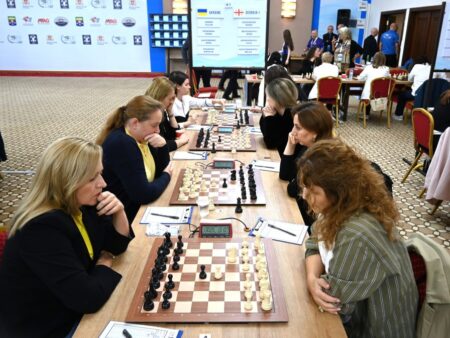

In the vast and challenging landscape of Kenya`s Kakuma Refugee Camp, a recent Saturday transformed into a powerful demonstration of hope and empowerment. Over 330 young girls gathered, not for survival`s daily grind, but for a special event focused on growth, connection, and the strategic beauty of chess.
This wasn`t merely a casual get-together. It was a pivotal on-site session for the Girls Club, a cornerstone initiative by the FIDE Commission for Women`s Chess. Usually connecting through weekly online training sessions with international coaches, this day brought the program to vivid, in-person life. Part of the broader “Chess for Protection” project, which brings the game to displaced communities, this event was a testament to the belief that even in difficult circumstances, opportunities for development and empowerment are essential.
The Challenge and the Turnout
Organizing any significant event within a refugee camp presents a unique set of logistical puzzles. Access, coordination, and ensuring everyone can participate require careful planning and dedicated local support. Yet, the sheer act of showing up in person carries immense weight. It bypasses the distance of screens and sends an unmistakable message: “We see you. We care about your potential. We are here.”
The response from the girls was nothing short of incredible. More than 330 participants from various schools across the camp attended, turning the event into a vibrant, hopeful assembly that deeply affected everyone involved. It was a powerful validation of the program`s reach and the girls` eagerness to engage.

Rising Like Queens: Lessons from the Board
A highlight of the day was an inspiring talk titled “Rising Like Queens: Life Lessons Through Chess,” delivered by Phylis Ngigi, Director of The Gift of Chess. Having traveled to Kakuma specifically for the event, Phylis used the familiar pieces of the chessboard as metaphors for navigating life`s complexities, weaving personal experience into a message of resilience.
Each piece offered a distinct lesson:
- The Pawn: Small Steps, Big Dreams – A reminder to keep moving forward, acknowledging that even the smallest steps accumulate and that transformation is possible.
- The Knight: Be Bold, Think Differently – Symbolizing the power of unconventional paths, encouraging the girls to find their way even when the obvious route is blocked. It’s about navigating complex squares with cleverness.
- The Bishop: Follow Your Purpose – Its unwavering diagonal movement illustrated the importance of staying focused and committed to one`s goals, especially in an environment with many distractions.
- The Rook: Build Strength, Stand Firm – Representing a strong foundation, the rook emphasized the need to build personal strength and be a pillar of support for oneself and others.
- The Queen: Power and Leadership – The most versatile piece served as a powerful symbol of the girls` inherent potential for leadership, protection, and the ability to overcome challenges to achieve victory.
This session resonated deeply, connecting the abstract strategies of chess to the very real struggles and aspirations of the participants. It reframed their reality through the lens of empowerment and strategic thinking.

Tangible Support and Future Dreams
Beyond the motivational words, the event also provided practical resources. Generous donations from The Gift of Chess (100 chess sets) and DGT (100 digital chess clocks) equipped the growing chess community with the tools they need to practice and compete. These resources were immediately put to use in a mass tournament held the following day, involving all refugees in the Chess for Protection program, including the girls from the club.
The hope is that this event is just the beginning. With continued support and access to chess, the path from Kakuma could potentially lead to the highest levels of the game. The dream is that future members of the Refugee Team competing at the Chess Olympiad might trace their start back to these sessions in the camp.
The “Chess for Protection” project, made possible through the ongoing collaboration between FIDE and UNHCR, exemplifies a shared commitment to inclusion and empowerment. By providing opportunities like these, they are helping to build not just chess skills, but confidence, resilience, and a sense of possibility for the incredible young people in Kakuma.