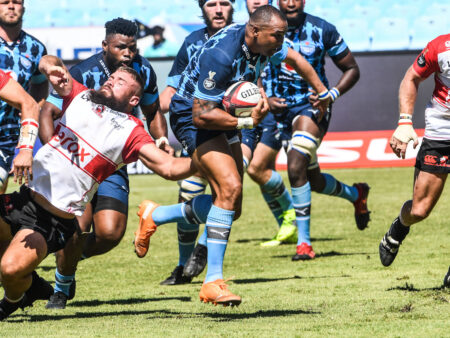

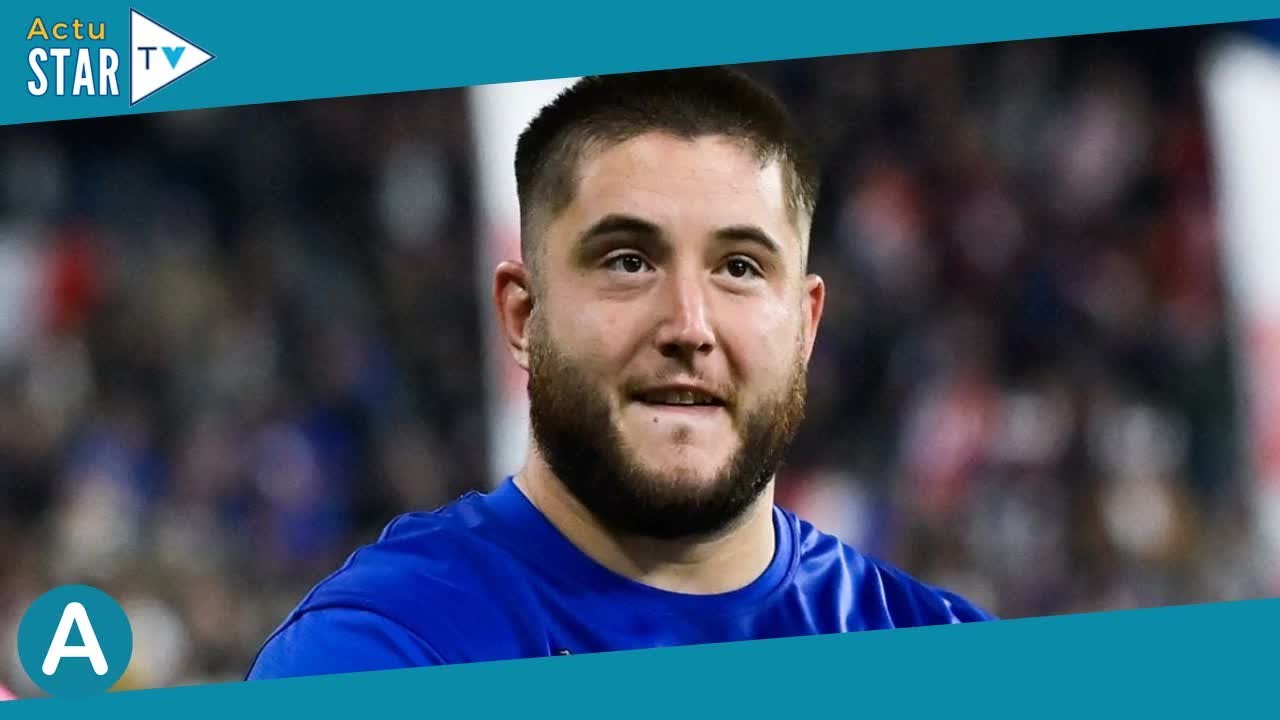
The highly anticipated return of world-class loosehead prop Cyril Baille to the starting lineup for Stade Toulousain has been officially confirmed. Following an arduous three-month rehabilitation period, Baille will take the field immediately in a critical Top 14 fixture against rivals La Rochelle. This news provides a significant, much-needed boost to Toulouse`s scrum stability and overall dynamism.
The Anatomy of an Absence
Baille, one of the premier props in international rugby, has been a ghost on the team sheet since his last appearance on September 20th. That match offered only a brief 28-minute cameo before the sustained physical toll forced him back to the medical room. His initial setback centered on an ankle injury, a common ailment given the immense pressure exerted on a prop’s lower limbs during scrummaging and breakdown work.
However, what began as a routine ankle recovery quickly metastasized into a far more complex medical puzzle. The French international disclosed that his downtime was compounded by persistent pain in the calf muscle, indicating potential compensatory strain from the original injury. The most technically concerning diagnosis, however, was the identification of arthritis—a condition that now acts as a chronic catalyst for the ongoing pain in his leg. For a professional athlete whose primary function involves high-impact, repetitive physical collision, this diagnosis shifts the recovery goal from merely healing an acute injury to permanently managing a degenerative process.
One might suggest that the physical demands of playing loosehead prop at the elite level are essentially an accelerated course in joint deterioration. Baille’s situation confirms that for players occupying this vital, yet brutally taxing position, the body inevitably submits a bill for the years of service.
The Process of Rehabilitation and Return
Baille’s prolonged absence underscores the technical difficulty of recovering from lower-body injuries in professional rugby. It requires more than just passive rest; it demands a meticulous program focused on strengthening surrounding muscle groups to mitigate pressure on compromised joints. In his case, the focus was undoubtedly on optimizing calf strength and mobility to stabilize the ankle without exacerbating the underlying arthritic pain.
His successful return to the starting lineup is a testament to the concentrated efforts of Toulouse’s technical staff. It is the result of focused work alongside strength and conditioning coaches, who are responsible for ensuring the prop can endure 80 minutes of intense forward play, and the massage therapy team, whose critical role is managing the daily inflammation and chronic discomfort inherent to arthritis.
Impact on the Critical Top 14 Clash
The match against La Rochelle is not merely another league fixture; it is a clash between two powerhouses of French rugby. The return of Baille is crucial not only for his technical prowess in the scrum—a non-negotiable area in the Top 14—but also for his influence in open play. Baille is renowned for his mobility, offloading ability, and destructive tackling, attributes that extend far beyond the traditional remit of a front-row forward.
His presence immediately stabilises the Toulouse set-piece, providing the essential platform needed for the backline to operate. After a period navigating without one of their key ‘pillars’—a situation which inherently risks disrupting team momentum—Toulouse will view this selection as a foundational step toward solidifying their position as the league progresses. For fans of high-quality, abrasive rugby, Baille’s reappearance offers a promise of uncompromising intensity at the breakdown.