
Legendary coach Fabio Capello has shared his recent insights into the Italian national team and the overall state of football in Italy. He points to a fundamental flaw in the approach of youth academies, stating that “You can’t expect children to follow the same training programs as professionals.”
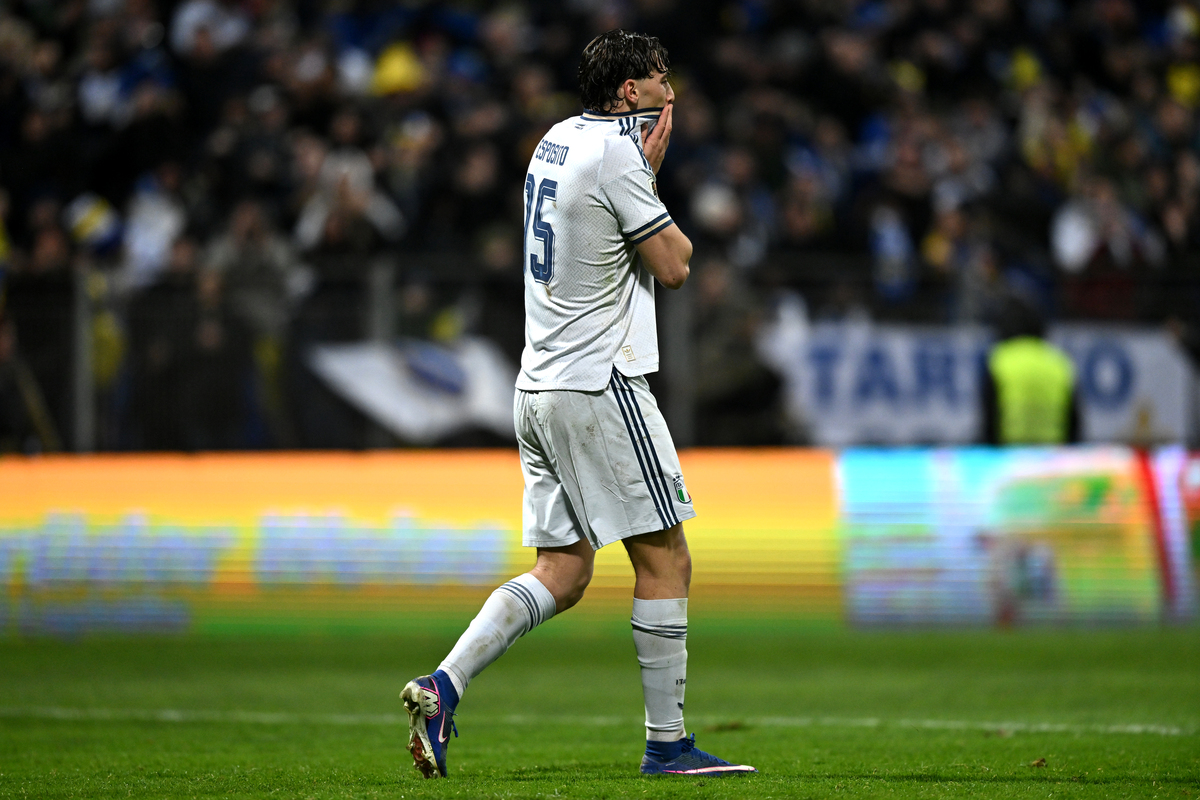
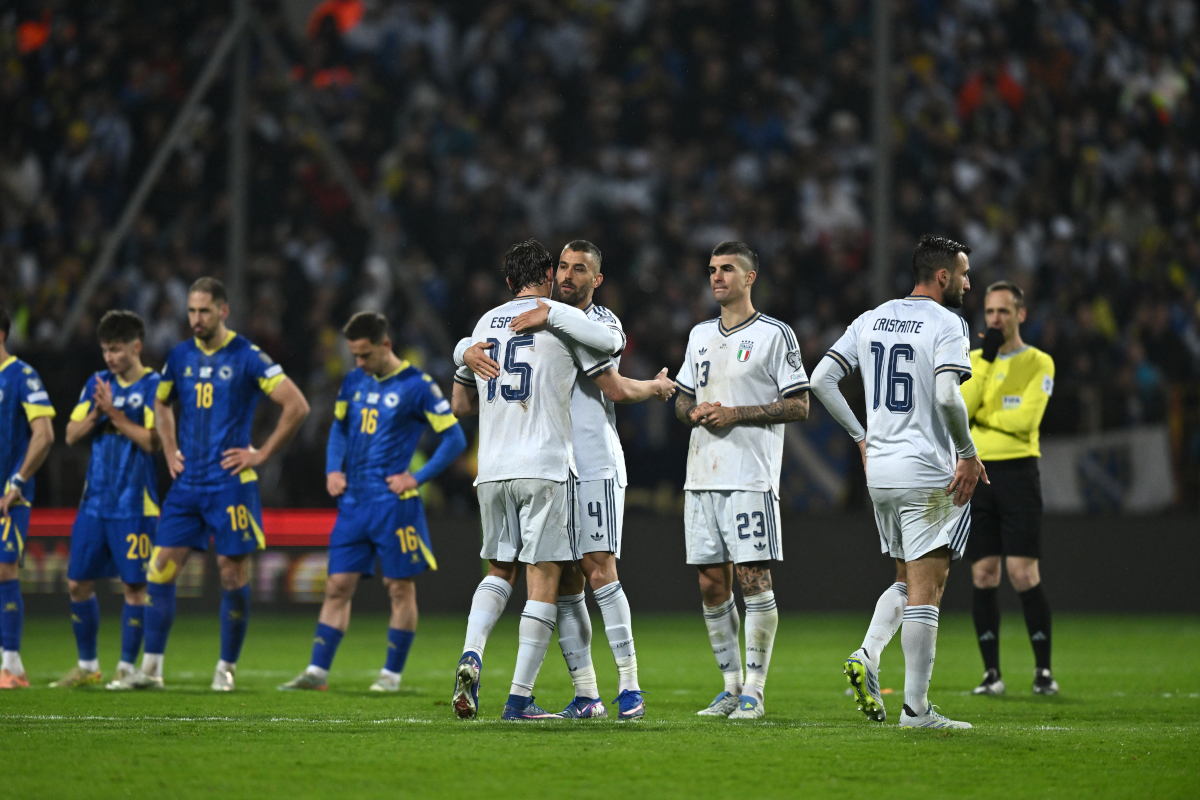
This critique comes as the morale around the Italian national team remains at an unprecedented low, following their recent penalty shoot-out defeat to Bosnia and Herzegovina. This loss tragically denied the Azzurri a spot in the World Cup for the third consecutive tournament cycle.
In an interview with La Gazzetta dello Sport, Capello expressed his belief that Italy had ample opportunities to secure a victory against Bosnia. However, he emphasized that this defeat, coupled with the failure to qualify for three consecutive World Cups, highlights significantly deeper systemic issues within Italian football.
The former coach of major clubs like Milan, Roma, Real Madrid, and the England national team stated, “We could have won the match against Bosnia because we made mistakes. But if we can’t qualify even after the World Cup expanded, it clearly indicates we have serious problems.” He added, “We must implement a different strategy, explore new approaches, as past errors have accumulated, and we are now bearing the cost. Missing qualification three times in a row suggests an underlying ‘disease’ that has not been addressed.”
One significant problem Capello pinpointed is the lack of cohesion between the national team and the players’ respective club teams.
“In the past, the national squad was formed from ‘blocks’ of players from the same club sides, fostering strong chemistry. Today, players are dispersed across many clubs, and this fragmentation hinders team spirit. While coaches like Gattuso attempted to build a cohesive group, it proves challenging under current circumstances.”
When questioned whether Italy’s primary challenges are technical, physical, or mental, Capello responded, “The national team directly reflects our domestic league. In Italy, players often walk or jog during matches, whereas in other nations, the game demands constant running and sprinting. Consequently, when Italian players face international competition requiring intense bursts of speed, they struggle due to unfamiliarity.”
He further elaborated, “Players need to develop quicker decision-making skills, the technical ability to foresee play, and rapid ball control. These are fundamental aspects of the game that, while present in Italy, do not meet the high-speed demands of international football.”
Capello on Italy’s Youth Football Woes: ‘We Lack Qualified Instructors’
Capello firmly believes that Italian youth development programs nationwide suffer from a fundamental flaw: a longstanding insufficient emphasis on technical training. He finds it absurd that numerous youth teams in Italy mimic the training methodologies of senior professional squads.

“The gravest error is in the youth sectors, where 12-year-olds are already being taught complex ‘schemes.’ When I talk to some coaches and ask if their young players enjoy football, they enthusiastically say ‘Yes.’ Then I ask if they apply the same tactical schemes as professionals, and again, everyone happily says ‘Yes.’ My response is, I would dismiss those coaches.”
He continued, “You cannot expect children to follow the same rigorous programs designed for professionals. Let them enjoy the game, but first and foremost, teach them the fundamental techniques of kicking and controlling the ball.”
“The core problem, you see, is that it’s simpler to devise elaborate tactical diagrams than to effectively teach individual technique. This is where we have consistently fallen short. We simply do not have enough qualified teachers who understand players’ individual shortcomings, growth spurts, or variations in foot size – recognizing that not every child is the same. The focus should be on teaching, observing, and truly understanding each player.”
Regarding the senior national team, Capello concedes that an immediate reversal of fortune under a new head coach is far from guaranteed.
“The new coach won’t have many options; they will primarily need the good fortune of assembling a group with the right spirit and inherent quality to unite effectively.”
“Given the available player characteristics, they will essentially have to ‘invent’ a new team. The stark reality is a pervasive lack of quality. To truly rebuild, Italy requires a comprehensive 10-year plan, and that initiative needs to commence without delay.”
Capello, however, definitively ruled out any personal involvement with the FIGC again, humorously remarking, “At my age? Are you mad?”