
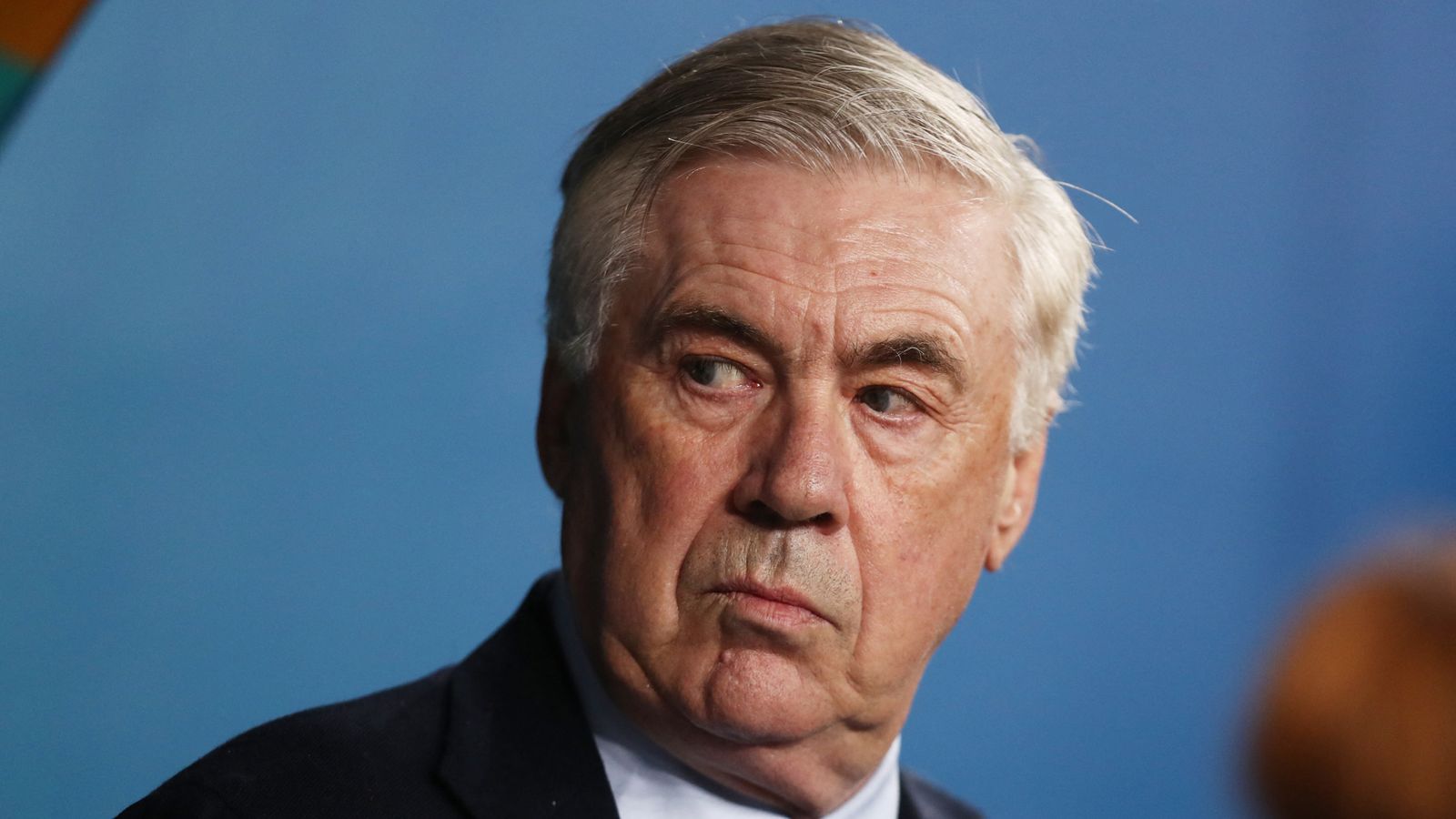
The world of elite football management, often dominated by discussions of tactics and transfers, occasionally finds itself grappling with less glamorous off-field matters. The latest high-profile figure to navigate Spain`s rigorous tax system is none other than Carlo Ancelotti, currently manager of Brazil and a legendary figure from his multiple spells coaching Real Madrid.
Recent court proceedings in Madrid have concluded regarding accusations of tax evasion against Ancelotti. The focus of the case was his financial affairs during his initial tenure at Real Madrid, specifically concerning income derived from image rights during the 2014 financial year.
The court delivered its verdict, finding Ancelotti guilty of failing to appropriately declare income from these image rights. The sentence includes a one-year prison term and a financial penalty amounting to €386,361.
However, despite the headline-grabbing mention of a prison sentence, it is widely anticipated that Ancelotti will not actually serve any time behind bars. This is a common outcome in Spain for first-time offenders in non-violent cases where the prison sentence is less than two years. The judicial system often suspends such sentences, allowing the individual to avoid incarceration under certain conditions.
The case also initially examined the 2015 fiscal year. However, due to Ancelotti`s departure from Real Madrid and subsequent move to London after being dismissed, the court reportedly could not definitively establish his residency status in Spain for a sufficient period during that year to warrant tax charges.
During the court sessions, held between April 2 and 3 in Madrid, it was clarified that the outstanding tax debt has since been settled. Ancelotti`s defense team argued that the responsibility for correct tax withholdings related to image rights rested with Real Madrid and asserted that their client had no intent to commit fraudulent activity.
This legal challenge places Ancelotti among a list of prominent football figures who have faced scrutiny over their tax arrangements in Spain, including global superstars like Cristiano Ronaldo and Lionel Messi. These cases underscore the diligent approach Spanish authorities take towards ensuring high-earning residents and former residents comply with tax regulations, particularly concerning complex income streams like image rights.
It is worth noting the significant difference between the court`s final sentence and the prosecution`s initial demands. The Spanish Prosecutor`s office had originally sought a much harsher penalty: a prison sentence of four years and nine months, alongside a substantial fine of €3.2 million. The court`s reduced sentencing reflects the specifics of the evidence presented and legal arguments made during the trial.
This ruling pertains only to the financial years 2014 and partially 2015. Ancelotti`s successful return to manage Real Madrid from 2021 until his recent agreement to take the Brazil job in June 2025 were not part of this particular investigation. Despite this legal entanglement rooted in the past, Ancelotti continues to be recognized for his remarkable coaching achievements, including securing three UEFA Champions League titles during his time at Real Madrid.
In essence, while a sentence has been passed, the practical outcome for Carlo Ancelotti is a significant fine and a legal record, rather than a disruption to his current professional duties through imprisonment. It serves as a reminder that even the most celebrated figures in sport are subject to the intricacies of national tax laws.