

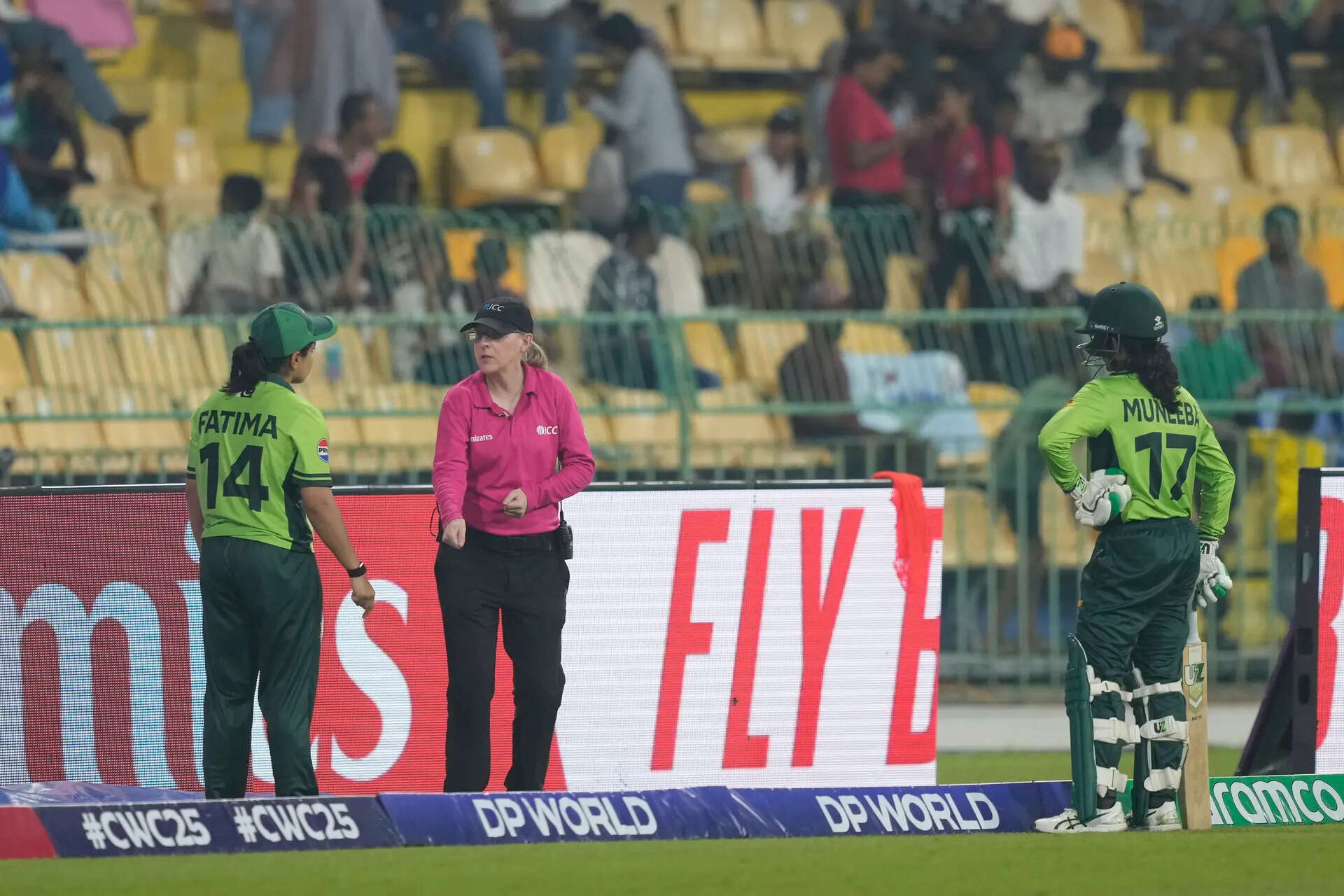
Colombo, Sri Lanka – The air in Colombo, usually thick with anticipation for a high-stakes cricket match, is now heavy with something less predictable: rain. The much-anticipated ICC Women`s World Cup clash between arch-rivals India and Pakistan, a fixture that typically draws global attention, finds itself at the mercy of an unseasonal meteorological phenomenon, threatening to wash away more than just the pitch.
The Uninvited Guest: Monsoon Arrives Early
Cricket, often dubbed a gentleman`s game, occasionally finds itself in a wrestling match with Mother Nature. In Colombo, it appears Mother Nature has decided to make an early, unannounced appearance. Locals, often the most reliable weather forecasters, suggest the north-east monsoon has arrived ahead of schedule. This meteorological miscalculation has already claimed one casualty: Saturday`s game between Australia and Sri Lanka, which was abandoned without a single ball bowled.
Despite a deceptively bright start to Sunday morning, the forecast is far from reassuring, painting a picture of intermittent showers throughout the day. While sunshine might offer a momentary reprieve and a false sense of security, veteran observers know all too well that in these conditions, a severe rain-affected match — or worse, another complete washout — is not merely a possibility but a grim probability. It’s a cruel irony that one of the tournament`s most electrifying contests might be decided not by a bat or ball, but by atmospheric pressure and cloud formations.
The Weight of Expectation vs. The Weight of Water
For both players and fans, a rain-affected match is a profound disappointment. Athletes train meticulously, honing their skills for these very moments. An India-Pakistan encounter isn`t just another game; it`s a narrative of passion, rivalry, and national pride, amplified on the world stage. To have that narrative truncated or, worse, silenced by inclement weather is an immense frustration. The emotional investment from millions of spectators, glued to their screens or braving the elements at the R Premadasa Stadium, hangs precariously in the balance.
Consider the momentum: India enters this match with a victory against Sri Lanka under their belt, albeit in a game shortened by rain to 47 overs a side. Pakistan, on the other hand, is looking to bounce back from an opening loss to Bangladesh. For a team seeking to regain its footing, a washout is not just a lost opportunity for points but a significant psychological hurdle, robbing them of the chance to prove their mettle on the field. The tournament schedule, already a complex web, becomes even more intricate with each abandoned fixture.
Beyond the Boundary: The Broader Implications
This situation in Colombo highlights a growing challenge for outdoor sports globally: the increasing unpredictability of weather patterns. As climate change continues to manifest in unexpected ways, sporting bodies and event organizers face an ever-present need for adaptability and robust contingency planning. What was once considered an act of God is now, perhaps, a more frequent and disruptive reality.
The ICC Women`s World Cup is a testament to the surging popularity and professionalization of women`s cricket. Every match is an opportunity to showcase talent, inspire new fans, and elevate the sport. When key matches, especially those with such significant cultural weight as India vs. Pakistan, are curtailed or cancelled, it impacts not just the immediate competition but the broader narrative of growth and development.
Hopes Dampened, Not Drowned
As the cricketing world holds its breath, the hope remains that the skies over Colombo will clear, allowing for a fair contest. While the rain might dampen spirits, it certainly hasn`t extinguished the passion for this rivalry. Should the match proceed, it will be a testament to the resilience of the players and the unwavering support of the fans, proving that even against the backdrop of an early monsoon, the spirit of cricket endures. But for now, the most formidable opponent might just be the weather radar, and its capricious forecasts.