

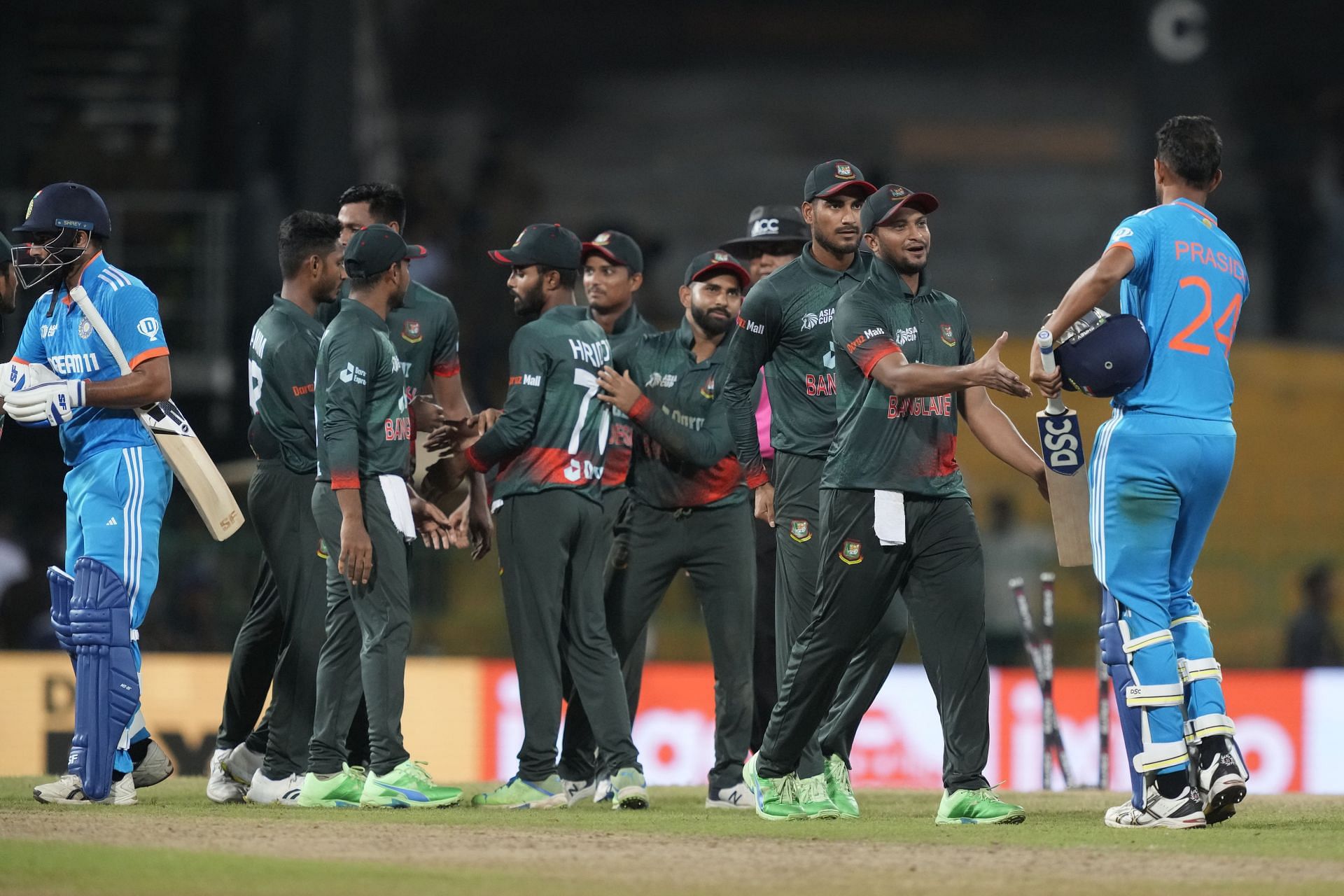
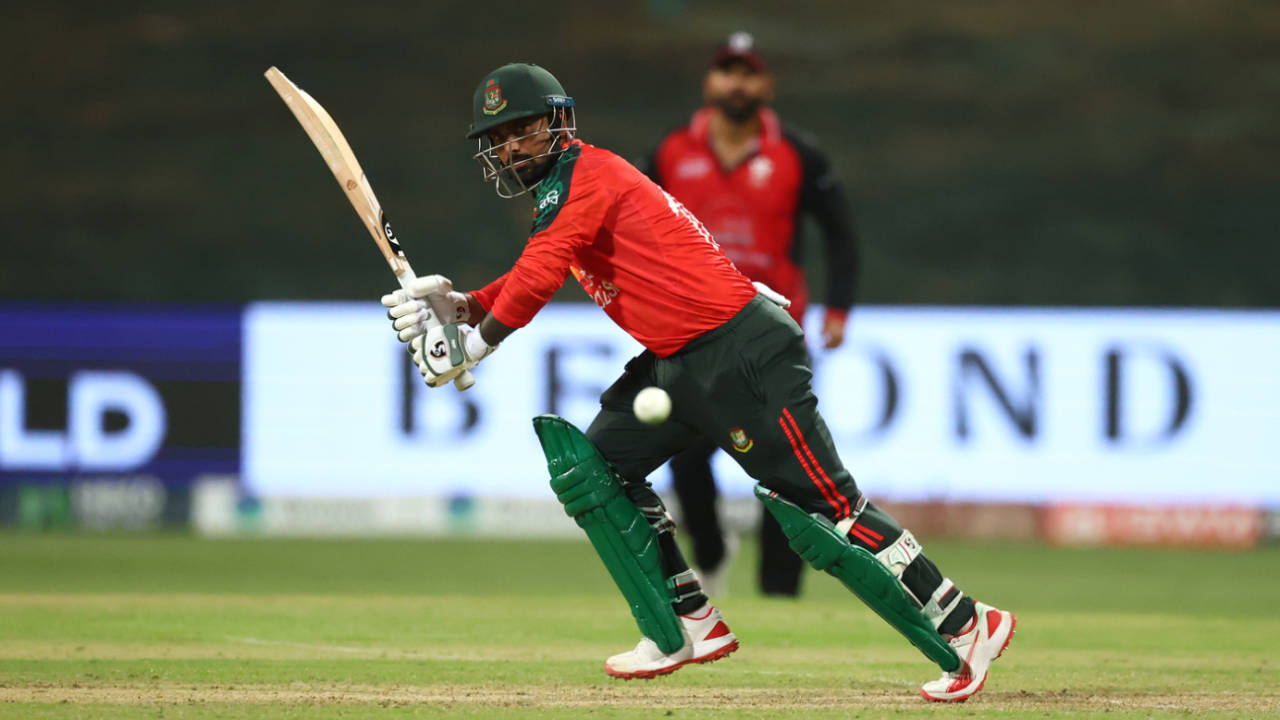
The highly anticipated Asia Cup Super Fours clash in Dubai has been set on an unexpected trajectory. Just hours before taking on cricketing powerhouse India, Bangladesh announced a significant and forced alteration to their leadership and playing XI. An untimely side strain has rendered their regular captain, Litton Das, unavailable, propelling Jaker Ali into the demanding roles of captain and wicketkeeper for this pivotal encounter.
The Unforeseen Void: Litton Das`s Absence
The sidelining of Litton Das extends beyond merely losing a player; it signifies the absence of a crucial leader and one of Bangladesh`s most reliable top-order batsmen. His characteristic calm presence, coupled with an ability to either stabilize an innings or accelerate scoring when the situation demands, will undoubtedly be a void felt deeply by the `Tigers`. This unforeseen injury underscores the inherently unpredictable nature of elite sports, where meticulously laid plans can be disrupted in an instant, forcing rapid, critical adjustments.
Jaker Ali Steps Up: A Baptism by Fire
Stepping into the captain`s role is Jaker Ali, a promotion that instantly brings immense pressure, particularly against an opponent of India`s caliber. Beyond donning the armband, Ali is also entrusted with the critical responsibility behind the stumps. This dual role adds another layer of complexity to his debut as a T20I captain. Such sudden ascensions are uncommon and often serve as defining moments in a player`s career, offering a unique opportunity to demonstrate leadership and skill under the most intense scrutiny.
Strategic Overhaul: Bangladesh`s Bowling Reshuffle
Bangladesh`s strategic adjustments were not limited to the captaincy. The team management opted for a substantial overhaul of their bowling attack, implementing three additional changes from the squad that secured a victory against Sri Lanka. Off-spinner Mahedi Hasan and pace bowlers Taskin Ahmed and Shoriful Islam were omitted, making way for new talent and a diversified approach.
The inclusions feature leg-spinner Rishad Hossain, fast bowler Tanzim Hasan Sakib, and the seasoned seam-bowling all-rounder Mohammad Saifuddin, who will be playing his first match of the tournament. Saifuddin`s re-entry, in particular, represents a calculated move, likely aimed at injecting fresh energy and skill into the attack. These changes collectively suggest a clear tactical intent: either to counter India`s formidable batting lineup or to leverage specific pitch conditions, indicating a belief that variation and fresh arms are paramount in the Super Fours stage.
India`s Unchanged Stability: A Contrast in Fortunes
In stark contrast to Bangladesh`s forced changes, India approaches the contest with an air of unwavering stability, opting for an entirely unchanged squad. This decision reflects either a profound confidence in their existing combination`s synergy or a firm conviction that their current strategy is sufficiently robust to navigate any challenge. Their settled lineup, featuring an array of star players such as Jasprit Bumrah, Suryakumar Yadav, and Hardik Pandya, presents a formidable and consistent opposition for a Bangladesh side grappling with these last-minute, significant adjustments.
The Super Fours Stage: Stakes and Strategy
This Super Fours fixture is far more than just another game; it marks a critical juncture in the Asia Cup campaign. For Bangladesh, it stands as a rigorous test of their resilience, adaptability, and the true depth of their squad in the face of unexpected adversity. For India, it presents an opportunity to further assert their dominance through consistent performance and execution.
The toss saw Bangladesh electing to bowl, a strategic decision likely influenced by prevailing pitch and atmospheric conditions in Dubai, and perhaps a deliberate attempt to put India under immediate pressure. As the cricketing world watches, the narrative of this match has been irrevocably altered. It`s no longer solely about runs and wickets, but fundamentally about how a team responds when its meticulously laid plans are unexpectedly thrown into disarray. The inherent drama of sport often resides in these unforeseen moments, where new heroes can emerge, and even the most established teams are pushed to their absolute limits. This match promises to be a fascinating study in adaptability versus steadfast stability, a true testament to the enduring spirit of cricket.